
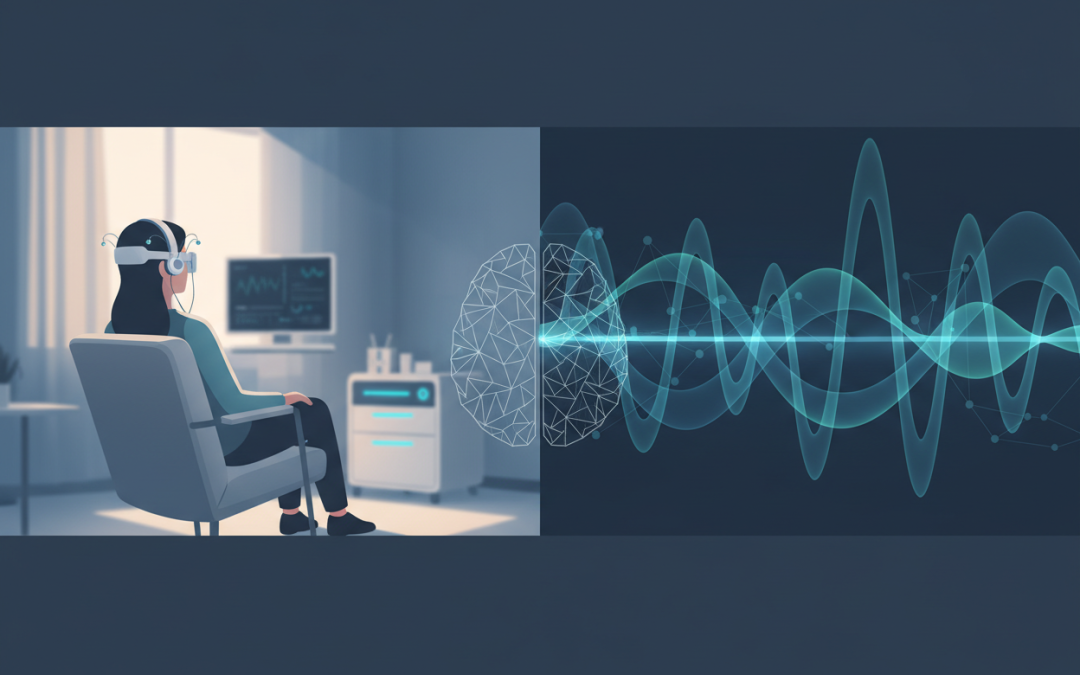
Brainwave Entrainment in Clinical Settings: Current Research and Therapeutic Applications
Table of Contents
1. Introduction to Brainwave Entrainment
2. The Science Behind Brainwave Entrainment
3. Current Clinical Applications
4. Research Findings in Mental Health Treatment
5. Neurological Disorders and Brainwave Therapy
6. Pain Management and Recovery
7. Limitations and Considerations
8. Future Directions in Clinical Research
9. Conclusion
10. Frequently Asked Questions
Introduction to Brainwave Entrainment
Imagine if you could tune your brain like a radio, adjusting the frequency to achieve specific mental states. This isn’t science fiction – it’s the fascinating world of brainwave entrainment, a therapeutic technique that’s gaining serious attention in clinical settings worldwide.
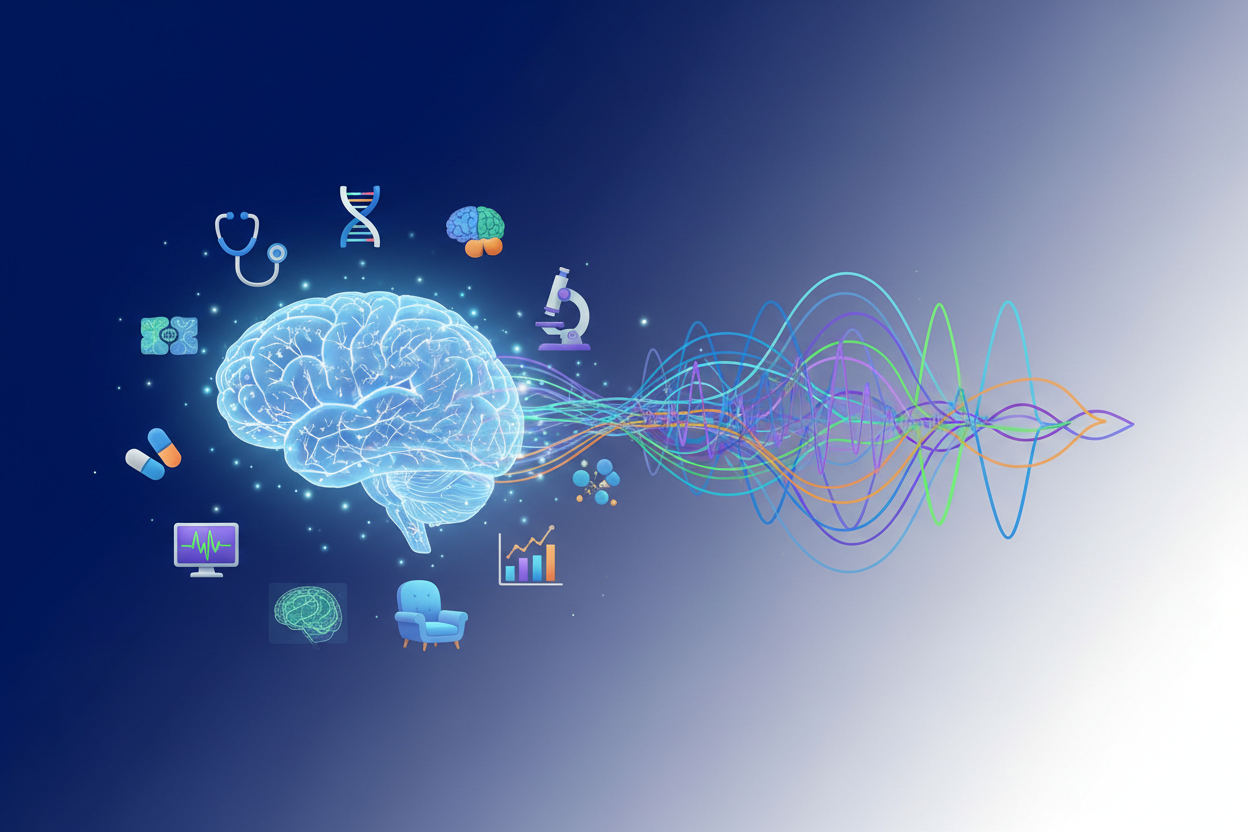
Brainwave entrainment, also known as neural entrainment or frequency following response, involves using external stimuli to synchronize brainwave patterns with desired frequencies. Think of it as a gentle nudge to help your brain find its optimal rhythm, whether that’s for relaxation, focus, or healing.
As someone who has followed the evolution of neuroscience research for years, I’ve watched this field transform from fringe therapy to legitimate clinical intervention. The growing body of research is compelling, and healthcare professionals are increasingly incorporating these techniques into their treatment protocols.
The Science Behind Brainwave Entrainment
To understand how brainwave entrainment works in clinical settings, we need to dive into the neurological mechanisms at play. Our brains naturally produce electrical activity in distinct frequency ranges, each associated with different states of consciousness and cognitive function.
The primary brainwave frequencies include delta waves (0.5-4 Hz) associated with deep sleep, theta waves (4-8 Hz) linked to meditation and creativity, alpha waves (8-13 Hz) present during relaxed awareness, beta waves (13-30 Hz) dominant during active thinking, and gamma waves (30+ Hz) associated with heightened awareness and cognitive processing.
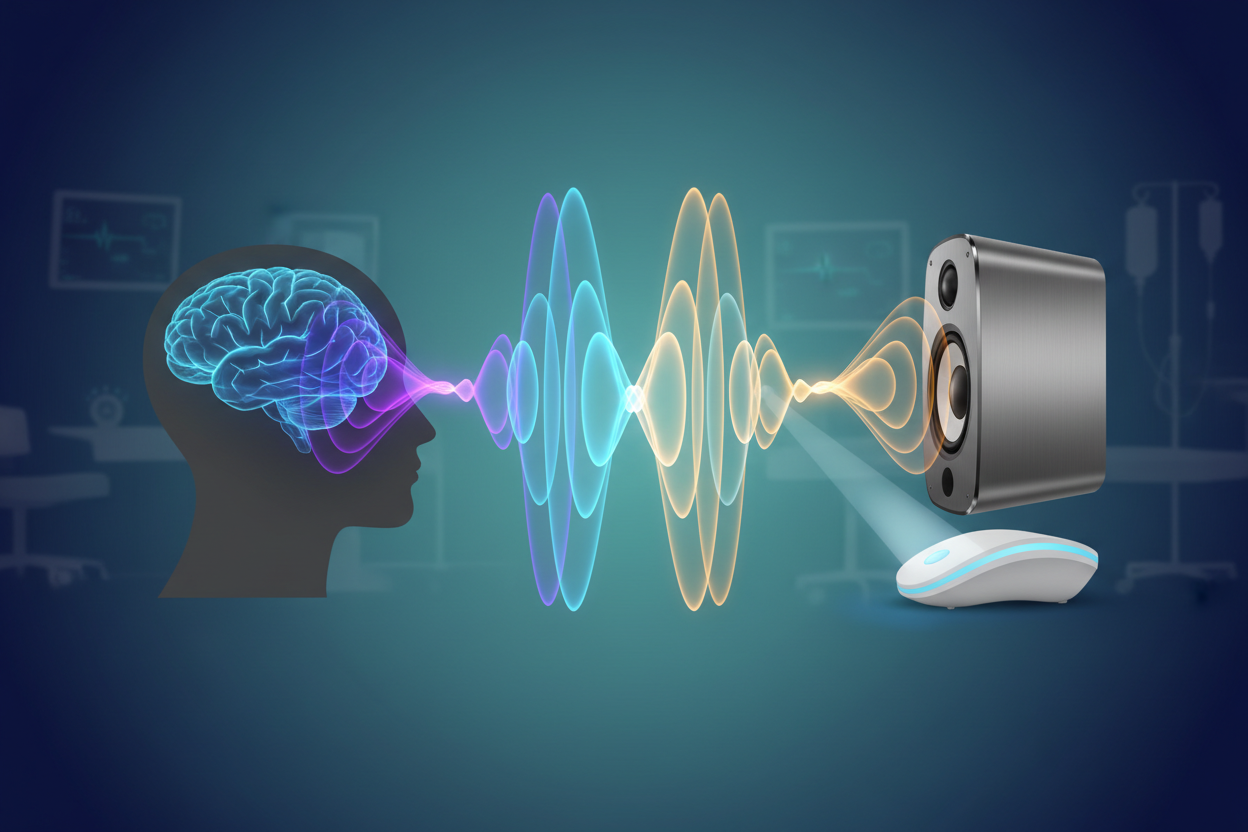
Clinical brainwave entrainment typically employs three main methods: binaural beats, where slightly different frequencies are played in each ear; isochronic tones, which use evenly spaced pulses; and light therapy, utilizing specific frequencies of flashing light. The brain’s natural tendency to synchronize with these external rhythms forms the foundation of therapeutic applications.
Current Clinical Applications
Healthcare facilities around the world are integrating brainwave entrainment into various treatment programs. Hospitals use these techniques in pre-surgical preparation rooms to reduce patient anxiety. Rehabilitation centers incorporate them into physical therapy sessions to enhance neuroplasticity and recovery outcomes.
Mental health clinics have found particular success using brainwave entrainment as an adjunct to traditional therapies. The non-invasive nature of these treatments makes them especially appealing for patients who may be sensitive to medications or prefer complementary approaches to healing.
What strikes me most about current clinical applications is their versatility. From pediatric units helping children with ADHD to geriatric care facilities supporting dementia patients, brainwave entrainment is finding its place across the healthcare spectrum.
Research Findings in Mental Health Treatment
The mental health field has produced some of the most compelling research on brainwave entrainment effectiveness. A 2019 systematic review published in the Journal of Neurotherapy examined 22 studies involving brainwave entrainment for anxiety disorders, finding significant improvements in anxiety scores across multiple clinical trials.
Depression research has shown equally promising results. Studies indicate that alpha frequency entrainment (8-12 Hz) can help regulate mood by promoting the production of serotonin and other neurotransmitters associated with emotional well-being. One particularly noteworthy study followed 60 patients with major depressive disorder over eight weeks, showing a 40% improvement in depression scores when brainwave entrainment was combined with standard care.
Post-traumatic stress disorder (PTSD) research has revealed that theta frequency entrainment may help patients process traumatic memories more effectively. The relaxed, meditative state induced by theta waves appears to create an optimal environment for therapeutic breakthrough while reducing the hyperarousal symptoms common in PTSD.
Neurological Disorders and Brainwave Therapy
Neurological conditions present unique opportunities for brainwave entrainment applications. Stroke rehabilitation programs have incorporated these techniques to enhance neuroplasticity – the brain’s ability to form new neural connections. Research suggests that specific frequencies can stimulate the growth of new neural pathways, potentially accelerating recovery from brain injuries.
Epilepsy research has explored whether brainwave entrainment could help regulate abnormal electrical activity in the brain. While still in early stages, preliminary studies indicate that certain frequencies might help reduce seizure frequency in some patients when used alongside conventional treatments.
Perhaps most intriguingly, Alzheimer’s disease research has investigated gamma wave entrainment (40 Hz) as a potential intervention. A groundbreaking MIT study found that exposing mice to 40 Hz light and sound reduced amyloid plaques in the brain – a hallmark of Alzheimer’s disease. Human trials are now underway to determine if similar benefits occur in people.
Pain Management and Recovery
Chronic pain management represents another frontier where brainwave entrainment shows remarkable promise. The technique works by potentially altering pain perception through changes in brainwave patterns, offering hope for patients seeking alternatives to long-term medication use.
Clinical studies have demonstrated that alpha and theta frequency entrainment can reduce perceived pain intensity by 20-30% in various conditions, including fibromyalgia, chronic back pain, and arthritis. The mechanism appears to involve the release of endorphins and the modulation of pain processing pathways in the brain.
Surgical recovery programs have begun incorporating brainwave entrainment into post-operative care protocols. Patients who receive these treatments often report reduced pain medication requirements and faster healing times, though researchers are still working to understand the exact mechanisms behind these benefits.
Limitations and Considerations
Despite the promising research, it’s crucial to acknowledge the limitations of current brainwave entrainment studies. Many clinical trials involve relatively small sample sizes, and the field would benefit from larger, more comprehensive studies to establish definitive treatment protocols.
Individual variability presents another challenge. What works beautifully for one patient may have minimal effect on another, and researchers are still working to identify predictive factors that could help clinicians determine which patients are most likely to benefit from these interventions.
Safety considerations, while generally minimal, do exist. Patients with photosensitive epilepsy should avoid light-based entrainment, and some individuals may experience temporary discomfort or headaches when first beginning treatment. Proper clinical supervision ensures these techniques are applied safely and effectively.
Future Directions in Clinical Research
The future of brainwave entrainment in clinical settings looks incredibly promising. Researchers are developing more sophisticated delivery methods, including virtual reality environments that combine visual, auditory, and even tactile entrainment stimuli for enhanced therapeutic effects.
Personalized medicine approaches are emerging, where individual brainwave patterns are analyzed to create customized entrainment protocols. This precision approach could significantly improve treatment outcomes by tailoring interventions to each patient’s unique neurological profile.
Integration with other technologies is another exciting development. Researchers are exploring combinations of brainwave entrainment with transcranial stimulation, biofeedback, and even pharmaceutical interventions to create comprehensive treatment protocols that address multiple aspects of neurological and psychological conditions.
Conclusion
Brainwave entrainment in clinical settings represents a fascinating convergence of ancient wisdom about the power of rhythm and modern neuroscience understanding. The current research landscape reveals a therapy with significant potential across multiple medical disciplines, from mental health to neurological rehabilitation.
While we’re still in the early stages of understanding how to optimize these interventions, the evidence base continues to grow stronger each year. As someone who has witnessed the evolution of many therapeutic approaches, I’m particularly excited about brainwave entrainment because it offers hope for patients seeking effective, non-invasive treatment options.
The key to success lies in continued rigorous research, proper clinical implementation, and realistic expectations about what these techniques can and cannot achieve. As the field matures, we can expect to see more standardized protocols, better patient selection criteria, and ultimately, improved outcomes for individuals seeking healing through the power of synchronized brainwaves.
Frequently Asked Questions
What is brainwave entrainment and how does it work in clinical settings?
Brainwave entrainment is a therapeutic technique that uses external stimuli like sound or light to synchronize brain activity with specific frequencies. In clinical settings, it’s used to promote desired mental states such as relaxation, focus, or healing by encouraging the brain to match these external rhythms.
Is brainwave entrainment safe for medical use?
Yes, brainwave entrainment is generally considered safe when administered properly in clinical settings. However, patients with photosensitive epilepsy should avoid light-based treatments, and some individuals may experience temporary discomfort. Always consult with healthcare professionals before beginning treatment.
What conditions can benefit from clinical brainwave entrainment?
Research shows potential benefits for anxiety, depression, PTSD, chronic pain, stroke recovery, ADHD, and various neurological conditions. However, it’s typically used as a complementary therapy alongside conventional treatments rather than as a standalone cure.
How long does it take to see results from brainwave entrainment therapy?
Results vary significantly between individuals and conditions. Some patients report immediate relaxation effects, while others may need several weeks of regular sessions to notice substantial improvements. Clinical studies typically show measurable changes after 4-8 weeks of consistent treatment.
Can brainwave entrainment replace traditional medical treatments?
No, brainwave entrainment should not replace established medical treatments. It’s best used as a complementary therapy that enhances conventional treatment approaches. Always work with qualified healthcare providers to develop comprehensive treatment plans.
What equipment is used for clinical brainwave entrainment?
Clinical settings typically use specialized audio equipment for binaural beats or isochronic tones, light therapy devices with precise frequency control, or combined audiovisual systems. Some facilities also incorporate EEG monitoring to track brainwave responses during treatment.