
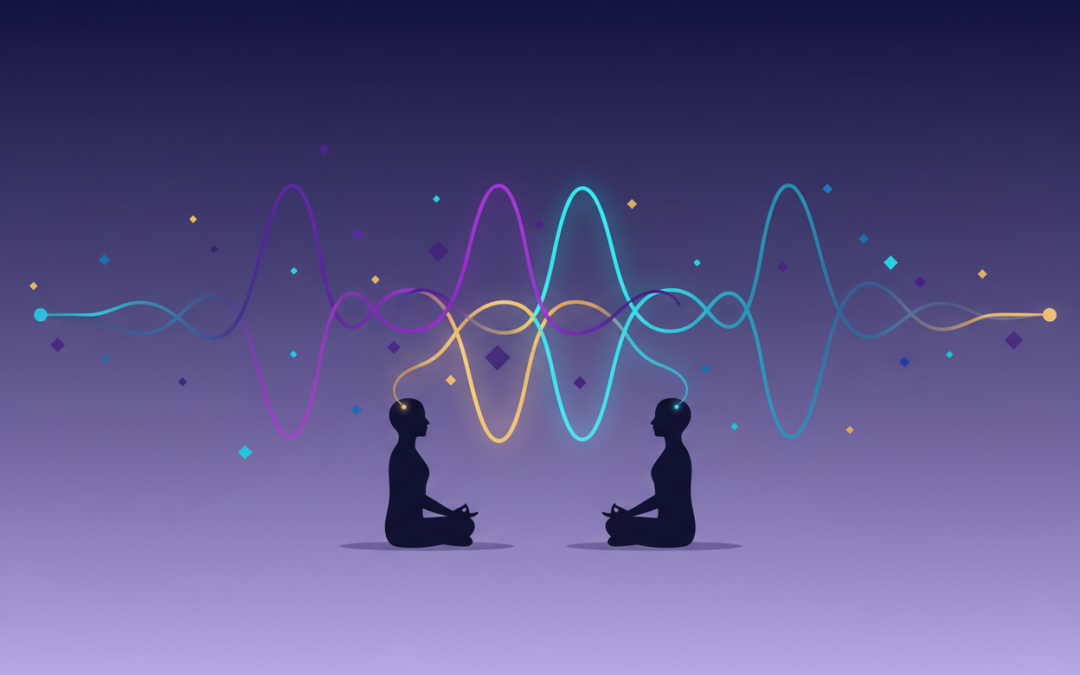
Brainwave Entrainment for Couples: Synchronizing for Better Relationships
Table of Contents
1. What is Brainwave Entrainment?
2. The Science Behind Couples’ Brain Synchronization
3. How Brainwave Entrainment Can Strengthen Your Relationship
4. Types of Brainwave Frequencies and Their Relationship Benefits
5. Practical Methods for Couples’ Brainwave Entrainment
6. Getting Started: Your First Synchronization Session
7. Common Challenges and How to Overcome Them
8. Real-Life Success Stories
9. Frequently Asked Questions
10. Conclusion
Have you ever noticed how some couples seem to be perfectly in sync? They finish each other’s sentences, share similar emotions, and appear to move through life as one harmonious unit. While this connection might seem magical, there’s actually fascinating science behind it – and you can actively cultivate it through brainwave entrainment.
Brainwave entrainment for couples is an emerging field that combines neuroscience with relationship psychology to help partners literally get on the same wavelength. This practice involves synchronizing your brain’s electrical activity with your partner’s, creating deeper intimacy, improved communication, and stronger emotional bonds.
In this comprehensive guide, we’ll explore how couples can use brainwave entrainment techniques to enhance their relationships, overcome common challenges, and create lasting harmony together.
What is Brainwave Entrainment?
Brainwave entrainment is a method of synchronizing brainwave frequencies using external stimuli such as sound, light, or electromagnetic fields. Your brain naturally produces electrical impulses at different frequencies, measured in hertz (Hz), which correspond to various mental states like relaxation, focus, or deep sleep.
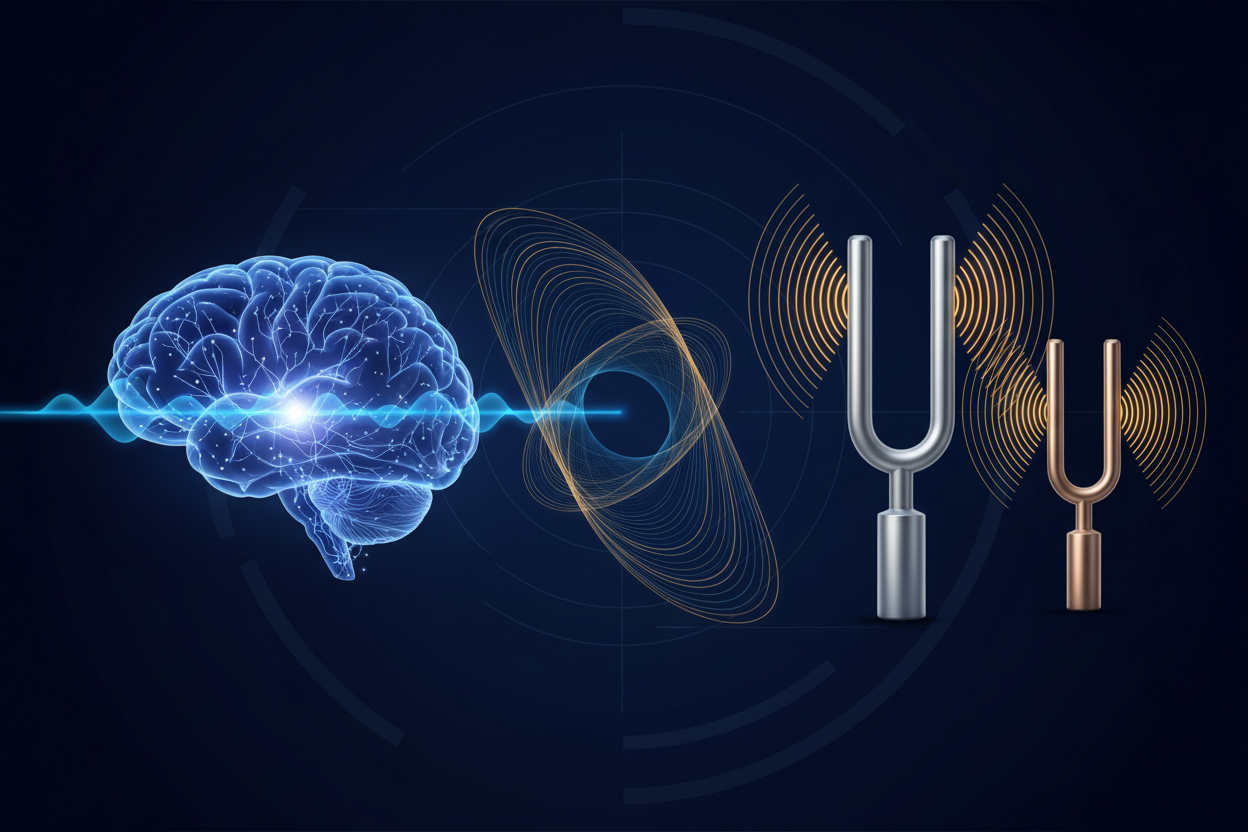
When you expose your brain to rhythmic stimuli at specific frequencies, it tends to match or “entrain” to that rhythm. Think of it like tuning forks – when you strike one tuning fork, another nearby fork will begin vibrating at the same frequency. Your brain works similarly, adjusting its electrical patterns to match external rhythmic inputs.
For couples, this means you can intentionally synchronize your brainwaves with your partner’s, creating a shared neurological state that promotes deeper connection and understanding. This isn’t just new-age thinking – it’s backed by solid neuroscience research showing how synchronized brain activity enhances empathy, communication, and emotional bonding.
The Science Behind Couples’ Brain Synchronization
Research in interpersonal neuroscience has revealed remarkable findings about how couples’ brains interact. Studies using EEG technology show that when partners engage in meaningful activities together – like deep conversation, meditation, or even simple eye contact – their brainwaves begin to synchronize naturally.
Dr. Mauricio Delgado’s research at Rutgers University found that couples in loving relationships show increased neural synchronization, particularly in areas of the brain associated with empathy and emotional processing. When partners’ brains are in sync, they demonstrate better emotional regulation, increased trust, and improved ability to understand each other’s perspectives.
This synchronization activates mirror neurons, specialized brain cells that fire both when you perform an action and when you observe your partner performing the same action. These neurons are crucial for empathy and emotional attunement, helping you literally feel what your partner is experiencing.
Furthermore, synchronized brainwaves promote the release of oxytocin, often called the “love hormone,” which strengthens pair bonding and increases feelings of closeness and trust. The more time couples spend in synchronized states, the stronger these neurochemical pathways become.
How Brainwave Entrainment Can Strengthen Your Relationship
Implementing brainwave entrainment practices in your relationship offers numerous benefits that extend far beyond the synchronization sessions themselves. Here’s how this practice can transform your partnership:
Enhanced Communication: When your brainwaves are synchronized, you become more attuned to your partner’s emotional state and nonverbal cues. This heightened sensitivity leads to more effective communication, fewer misunderstandings, and greater emotional intelligence within the relationship.
Deeper Intimacy: Synchronized brainwaves create a profound sense of connection that goes beyond physical or emotional intimacy. Partners often report feeling “seen” and understood on a deeper level, leading to increased vulnerability and trust.
Stress Reduction: Many brainwave entrainment techniques promote relaxation and stress relief. When couples practice together, they create a shared sanctuary of calm that helps them navigate life’s challenges more effectively as a team.
Conflict Resolution: Synchronized brain states promote emotional regulation and empathy, making it easier to approach disagreements with understanding rather than defensiveness. Couples often find they can resolve conflicts more quickly and with less emotional residue.
Increased Empathy: Regular synchronization practice strengthens neural pathways associated with empathy and perspective-taking, helping partners better understand and support each other’s experiences.
Types of Brainwave Frequencies and Their Relationship Benefits
Understanding different brainwave frequencies helps couples choose the right entrainment approach for their specific relationship goals:
Delta Waves (0.5-4 Hz): Associated with deep sleep and healing, delta entrainment can help couples who struggle with sleep issues or need deep restoration together. Practicing delta entrainment before bed can improve sleep quality and create peaceful shared rest.
Theta Waves (4-8 Hz): Linked to creativity, intuition, and deep meditation, theta entrainment is excellent for couples wanting to enhance their creative collaboration or deepen their spiritual connection. This frequency promotes profound relaxation and emotional healing.
Alpha Waves (8-12 Hz): The frequency of relaxed awareness and calm focus, alpha entrainment is perfect for stress relief and gentle bonding. It’s an ideal starting point for couples new to brainwave entrainment, as it promotes relaxation without being too intense.
Beta Waves (12-30 Hz): Associated with active thinking and problem-solving, beta entrainment can help couples who need to tackle challenges together or improve their collaborative decision-making abilities.
Gamma Waves (30-100 Hz): Linked to heightened awareness and peak performance states, gamma entrainment can enhance couples’ ability to experience flow states together and deepen their sense of unity and connection.
Practical Methods for Couples’ Brainwave Entrainment
There are several effective methods couples can use to achieve brainwave synchronization. Start with simpler techniques and gradually explore more advanced approaches as you become comfortable with the practice.
Binaural Beats: This popular method involves listening to slightly different frequencies in each ear through headphones. Your brain processes the difference between these frequencies, creating a third “beat” that entrains your brainwaves. Many apps and audio programs offer binaural beats specifically designed for couples.
Synchronized Breathing: One of the simplest yet most effective techniques involves sitting together and matching your breathing patterns. Start by observing each other’s natural rhythm, then gradually synchronize your inhales and exhales. This practice naturally promotes alpha and theta brainwave states.
Meditation Together: Regular meditation practice naturally synchronizes brainwaves. Try guided meditations designed for couples, or simply sit together in silence, focusing on your shared intention to connect deeply.
Sound Therapy: Using singing bowls, tuning forks, or specially designed sound frequencies can help entrain both partners’ brainwaves simultaneously. The shared auditory experience creates a powerful synchronization effect.
Light Therapy: LED light devices that pulse at specific frequencies can entrain brainwaves through visual stimulation. Some devices are designed for couples to use simultaneously, creating shared visual entrainment experiences.
Getting Started: Your First Synchronization Session
Beginning your brainwave entrainment journey together requires patience, openness, and realistic expectations. Here’s how to set up your first successful session:
Create the Right Environment: Choose a quiet, comfortable space where you won’t be interrupted. Dim the lights, ensure comfortable temperature, and remove any distractions like phones or computers. This sacred space will become associated with your practice over time.
Start Simple: Begin with just 10-15 minutes of synchronized breathing or listening to alpha-frequency binaural beats together. Don’t expect dramatic results immediately – like any skill, brainwave entrainment improves with practice.
Set Shared Intentions: Before starting, discuss what you both hope to gain from the experience. Whether it’s stress relief, deeper connection, or better communication, having aligned intentions enhances the effectiveness of your practice.
Be Patient with Each Other: Everyone responds differently to brainwave entrainment. One partner might feel effects immediately while the other needs more time. Support each other’s individual journey while maintaining focus on your shared goals.
Track Your Progress: Keep a simple journal noting how you both feel before and after sessions. Over time, you’ll notice patterns and improvements that motivate continued practice.
Common Challenges and How to Overcome Them
Like any relationship practice, brainwave entrainment can present challenges. Understanding and preparing for these obstacles increases your chances of success:
Different Response Rates: Partners often respond to entrainment at different speeds. If one person feels effects quickly while the other doesn’t, avoid frustration by remembering that everyone’s brain is unique. Focus on the process rather than comparing results.
Scheduling Difficulties: Finding time for regular practice can be challenging with busy schedules. Start with just a few minutes daily rather than trying to find large blocks of time. Consistency matters more than duration.
Skepticism from One Partner: If one partner is hesitant about the practice, start with simple techniques like synchronized breathing or meditation. Let the skeptical partner experience benefits naturally rather than trying to convince them intellectually.
Distracting Thoughts: Racing minds can interfere with entrainment. When thoughts arise, acknowledge them without judgment and gently return focus to the practice. This is normal and improves with time.
Physical Discomfort: Some people experience mild headaches or dizziness when starting brainwave entrainment. Begin with shorter sessions at lower frequencies, and discontinue if discomfort persists.
Real-Life Success Stories
Many couples have experienced transformative results from regular brainwave entrainment practice. Sarah and Michael, married for twelve years, found their relationship reinvigorated after incorporating daily alpha-wave sessions into their routine. “We started communicating more openly and felt more connected than we had in years,” Sarah reports.
Another couple, David and Jennifer, used theta-wave entrainment to work through trust issues following a difficult period in their marriage. “The deep meditative states helped us access emotions and insights we couldn’t reach through traditional therapy alone,” David explains.
These success stories highlight that brainwave entrainment isn’t a magic solution but rather a powerful tool that, when combined with commitment and communication, can significantly enhance relationship quality and connection.
Frequently Asked Questions
Q: How long does it take to see results from brainwave entrainment?
A: Many couples notice subtle changes within the first few sessions, such as feeling more relaxed together or communicating more easily. More significant changes typically develop over 4-6 weeks of regular practice.
Q: Is brainwave entrainment safe for everyone?
A: Brainwave entrainment is generally safe for most people. However, individuals with epilepsy, seizure disorders, or certain mental health conditions should consult healthcare providers before beginning any entrainment practice.
Q: Do we need special equipment to get started?
A: No special equipment is required to begin. Simple techniques like synchronized breathing or free meditation apps can be very effective. As you develop your practice, you might choose to invest in binaural beat programs or light therapy devices.
Q: How often should couples practice brainwave entrainment?
A: Consistency is more important than frequency. Daily 10-15 minute sessions are more beneficial than occasional longer sessions. Start with what feels manageable and gradually increase as the practice becomes habitual.
Q: Can brainwave entrainment replace couples therapy?
A: Brainwave entrainment is a complementary practice that can enhance therapeutic work but shouldn’t replace professional counseling when serious relationship issues exist. It works best as part of a comprehensive approach to relationship health.
Q: What if my partner and I prefer different frequencies?
A: Start with alpha frequencies (8-12 Hz), which most people find comfortable and beneficial. As you both become more experienced, you can explore different frequencies together or alternate between preferences.
Conclusion
Brainwave entrainment for couples offers a scientifically-backed pathway to deeper connection, improved communication, and enhanced relationship satisfaction. By literally getting on the same wavelength, partners can access new levels of intimacy and understanding that strengthen their bond in lasting ways.
The journey of synchronizing your brainwaves together requires patience, consistency, and mutual commitment. Start with simple techniques like synchronized breathing or basic binaural beats, and gradually explore more advanced methods as your comfort and experience grow.
Remember that every couple’s experience will be unique. Focus on your own journey together rather than comparing your progress to others. The goal isn’t perfection but rather the shared intention to connect more deeply and support each other’s growth.
As you embark on this fascinating exploration of consciousness and connection, approach it with curiosity, openness, and love. The benefits of brainwave entrainment extend far beyond the practice sessions themselves, creating ripple effects that enhance every aspect of your relationship.
Whether you’re newlyweds looking to deepen your bond or long-term partners seeking to reignite your connection, brainwave entrainment offers a powerful tool for creating the harmonious, synchronized relationship you both desire. Take the first step today, and discover what it means to truly be in sync with the person you love most.