
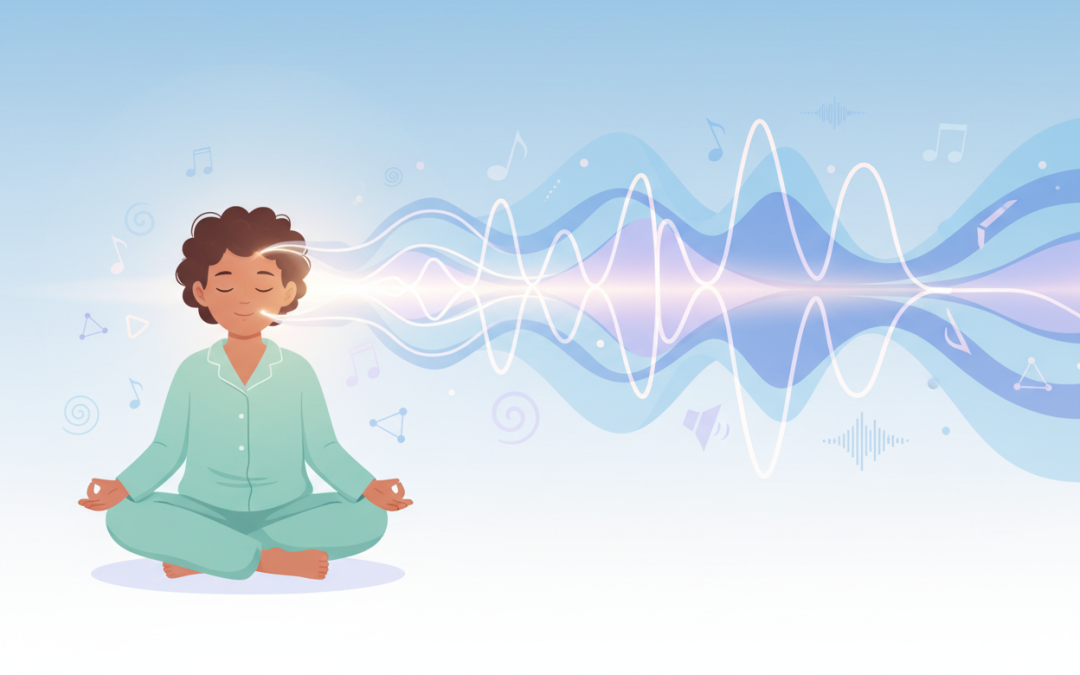
Brainwave Entrainment for Children: Benefits and Precautions
Table of Contents
1. What is Brainwave Entrainment?
2. How Brainwave Entrainment Works in Children
3. Proven Benefits for Young Minds
4. Safety Considerations and Precautions
5. Age-Appropriate Applications
6. Choosing the Right Approach
7. Professional Guidance and Monitoring
8. Real-World Success Stories
9. Frequently Asked Questions
10. Conclusion
As parents and educators, we’re constantly searching for innovative ways to support children’s cognitive development and emotional well-being. One fascinating approach that’s gaining attention is brainwave entrainment—a technique that uses rhythmic stimuli to influence brain activity patterns. While this might sound like science fiction, the research behind brainwave entrainment is quite real, and its applications for children are both promising and worth exploring carefully.
In this comprehensive guide, we’ll dive deep into the world of brainwave entrainment for children, examining its potential benefits while addressing the crucial safety considerations every parent should know. Whether you’re dealing with a child who struggles with focus, anxiety, or sleep issues, understanding this technology could open new doors to supporting your little one’s development.
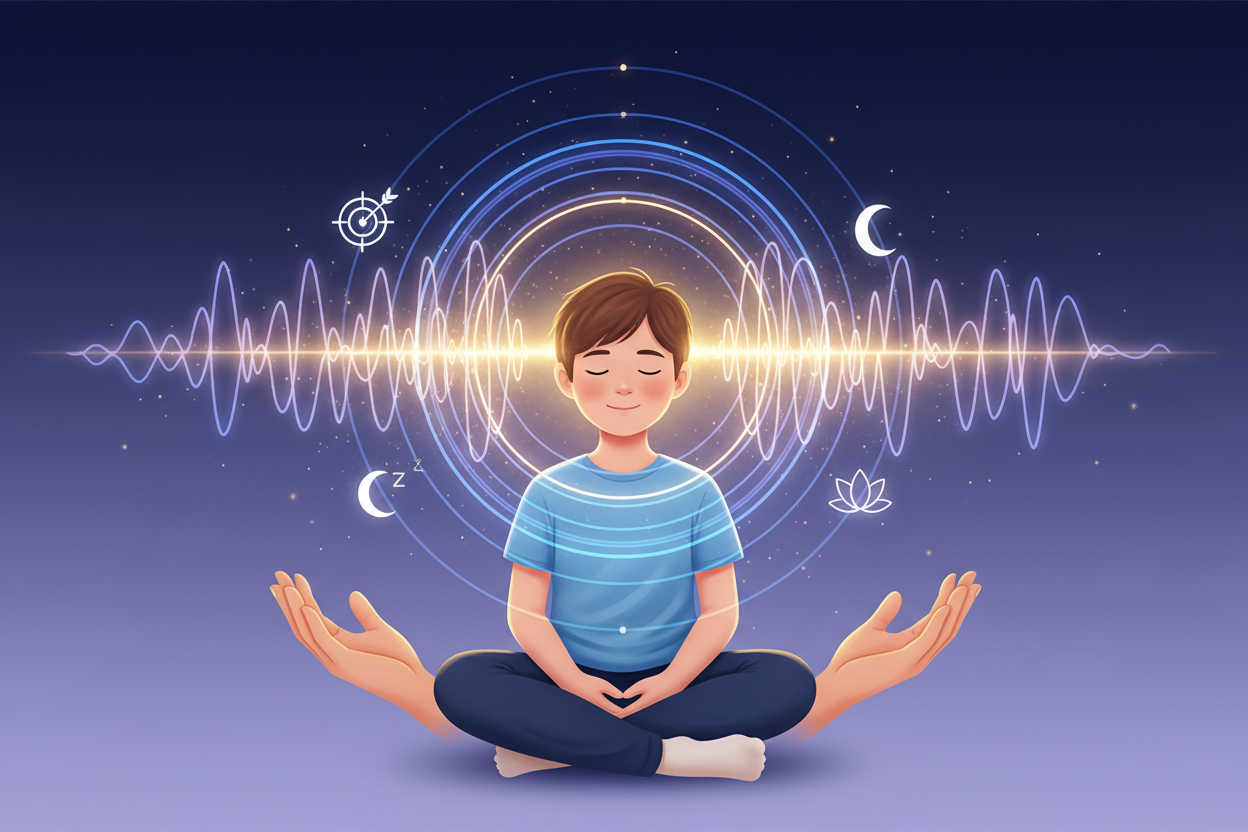
What is Brainwave Entrainment?
Brainwave entrainment is a method that uses external stimuli—typically audio tones, visual patterns, or rhythmic pulses—to synchronize brainwave activity with a desired frequency. Think of it like a gentle nudge that encourages the brain to match a specific rhythm, similar to how your footsteps might naturally sync with music while walking.
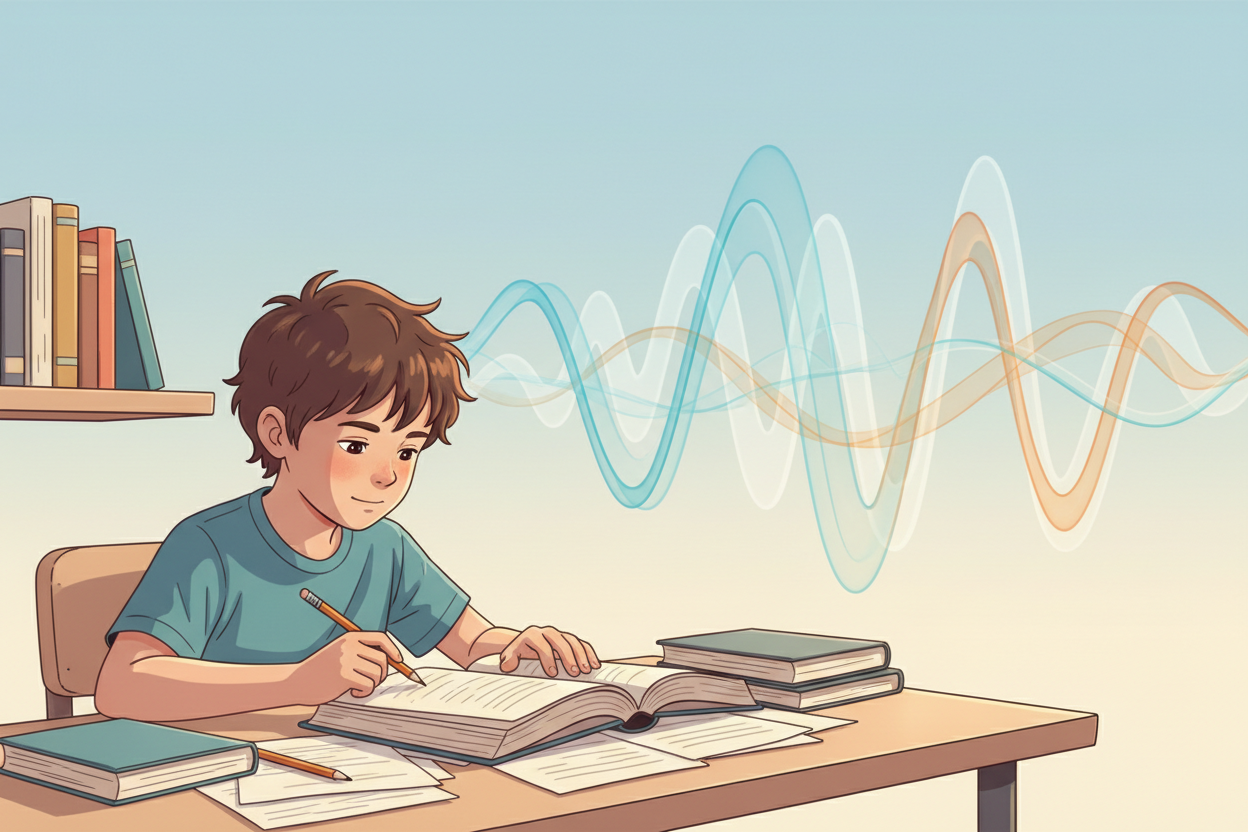
Our brains naturally produce electrical activity that can be measured in different frequency ranges, each associated with various mental states. Beta waves (13-30 Hz) are linked to active thinking and alertness, while alpha waves (8-13 Hz) correspond to relaxed awareness. Theta waves (4-8 Hz) occur during deep meditation and creativity, and delta waves (0.5-4 Hz) are present during deep sleep.
The most common form of brainwave entrainment uses binaural beats, where slightly different frequencies are played in each ear. For example, if one ear receives a 200 Hz tone and the other receives a 210 Hz tone, the brain perceives a rhythmic beating at 10 Hz—right in the alpha range associated with calm focus.
How Brainwave Entrainment Works in Children
Children’s brains are remarkably plastic and responsive to environmental influences, making them potentially more receptive to brainwave entrainment than adults. This neuroplasticity—the brain’s ability to reorganize and form new neural connections—is at its peak during childhood and adolescence.
Research suggests that children’s brainwave patterns naturally differ from adults. Young children spend more time in theta states, which explains their vivid imaginations and enhanced learning capabilities. As they mature, their brains gradually develop more beta activity associated with logical thinking and sustained attention.
When children listen to carefully designed audio programs or engage with visual entrainment tools, their brains can learn to access specific states more easily. It’s like teaching the brain a new skill—with practice, children may become better at self-regulating their mental states, leading to improved focus, relaxation, or sleep quality.
Proven Benefits for Young Minds
Enhanced Focus and Attention
One of the most studied applications of brainwave entrainment in children involves improving attention and focus. Several research studies have shown promising results for children with ADHD and attention difficulties. By training the brain to produce more focused beta waves or calm alpha waves, children may experience improved concentration during homework, reading, or classroom activities.
Parents often report that their children seem more settled and able to complete tasks after regular sessions with appropriate brainwave entrainment programs. However, it’s important to note that results vary significantly between individuals, and what works for one child may not work for another.
Better Sleep Quality
Sleep issues are incredibly common in children, affecting everything from mood to academic performance. Brainwave entrainment designed to promote delta wave activity can help children transition more easily into deep, restorative sleep. Some programs use gradually decreasing frequencies that guide the brain from wakefulness down to sleep states.
Many families have found success using gentle audio programs as part of their bedtime routine. The rhythmic nature of these sounds can be particularly soothing for children who struggle with racing thoughts or anxiety at bedtime.
Stress and Anxiety Reduction
Today’s children face unprecedented levels of stress and anxiety. Brainwave entrainment targeting alpha and theta frequencies may help activate the body’s relaxation response, teaching children valuable self-regulation skills. This can be particularly beneficial for children dealing with test anxiety, social pressures, or major life transitions.
Learning Enhancement
Some research suggests that certain brainwave states may be optimal for learning and memory consolidation. Theta frequencies, in particular, are associated with enhanced creativity and information processing. While more research is needed, some educational programs are beginning to explore how brainwave entrainment might support academic achievement.
Safety Considerations and Precautions
While brainwave entrainment shows promise, it’s crucial to approach it with appropriate caution, especially when it comes to children. Their developing brains require extra care and consideration.
Volume and Duration Limits
Children’s ears are more sensitive than adults’, making volume control absolutely critical. Always use the lowest effective volume, and never exceed recommended listening times. Most experts suggest starting with very short sessions—perhaps 5-10 minutes—and gradually increasing duration only if the child responds well.
Prolonged exposure to any audio stimulation can potentially cause hearing damage or overstimulation. It’s wise to give children regular breaks and monitor their responses carefully during and after sessions.
Individual Sensitivity
Some children may be more sensitive to brainwave entrainment than others. Watch for signs of discomfort, headaches, dizziness, or unusual behavioral changes. If any negative reactions occur, discontinue use immediately and consult with a healthcare professional.
Children with certain neurological conditions, epilepsy, or seizure disorders should never use brainwave entrainment without explicit medical approval. The rhythmic stimulation could potentially trigger seizures in susceptible individuals.
Quality and Source Verification
Not all brainwave entrainment products are created equal. Some commercially available programs make exaggerated claims or use inappropriate frequencies for children. Research the source, look for evidence-based approaches, and be skeptical of products promising miraculous results.
Age-Appropriate Applications
Different age groups require different approaches to brainwave entrainment. Younger children (ages 4-8) typically respond better to shorter sessions with gentler frequencies. They might benefit from simple relaxation programs or sleep aids incorporated into bedtime stories or calm music.
School-age children (ages 9-12) can often handle slightly longer sessions and may benefit from focus-enhancement programs designed to support homework time or study sessions. However, it’s important to make these experiences enjoyable rather than feeling like another task or obligation.
Teenagers (ages 13+) can generally use programs similar to those designed for adults, but they still require careful monitoring and appropriate guidance. This age group might particularly benefit from stress-reduction programs as they navigate academic pressures and social challenges.
Choosing the Right Approach
Selecting appropriate brainwave entrainment for your child requires careful consideration of their individual needs, age, and sensitivity level. Start by clearly identifying what you hope to achieve—better sleep, improved focus, or reduced anxiety—and look for programs specifically designed for that purpose.
Consider starting with simple, gentle approaches like nature sounds combined with subtle binaural beats rather than more intense programs. Many children respond well to programs that incorporate familiar, comforting elements like rainfall, ocean waves, or soft instrumental music.
It’s also worth exploring different delivery methods. While headphones provide the most precise binaural beat experience, some children find them uncomfortable. Speaker-based systems or even specialized devices designed for children might be more appropriate alternatives.
Professional Guidance and Monitoring
Before beginning any brainwave entrainment program with your child, consider consulting with relevant professionals. Your pediatrician can help determine if there are any medical contraindications, while child psychologists or educational specialists might provide insights into whether this approach aligns with your child’s specific needs.
Some practitioners specialize in neurofeedback and brainwave entrainment for children. These professionals can provide personalized programs and ongoing monitoring to ensure safe, effective use. While this represents a larger investment, it may be worthwhile for children with significant challenges or for families wanting expert guidance.
Regular monitoring is essential regardless of the approach you choose. Keep a simple log of your child’s responses, noting any changes in sleep, behavior, mood, or academic performance. This information can help you adjust the program or identify any concerning patterns early.
Real-World Success Stories
While individual results vary greatly, many families have reported positive experiences with carefully implemented brainwave entrainment programs. Sarah, a mother of two, found that a gentle sleep program helped her 7-year-old son overcome persistent bedtime anxiety that had plagued the family for months.
Another parent, Mark, discovered that short focus-enhancement sessions before homework time helped his 10-year-old daughter with ADHD maintain attention for longer periods. However, he emphasizes that this was just one part of a comprehensive approach that included behavioral strategies and environmental modifications.
These success stories highlight an important point: brainwave entrainment works best as part of a holistic approach to supporting children’s development, not as a standalone solution to complex challenges.
Frequently Asked Questions
Q: At what age can children safely begin using brainwave entrainment?
A: Most experts suggest waiting until at least age 4-5, when children can better communicate their experiences and follow simple instructions. However, individual maturity and sensitivity levels are more important than chronological age.
Q: How long should children listen to brainwave entrainment programs?
A: Start with very short sessions (5-10 minutes) and gradually increase only if the child responds well. Most programs for children should not exceed 20-30 minutes, and daily use isn’t necessary for most applications.
Q: Can brainwave entrainment replace medication for ADHD or other conditions?
A: Absolutely not. Brainwave entrainment should never replace prescribed medications or established treatments without explicit medical supervision. It may serve as a complementary approach alongside conventional treatments.
Q: Are there any long-term risks associated with brainwave entrainment in children?
A: Long-term studies are limited, which is why caution is essential. When used appropriately with proper volume controls and duration limits, most experts consider it relatively safe, but ongoing research is needed.
Q: What should I do if my child experiences headaches or discomfort during sessions?
A: Stop the session immediately and discontinue use. If symptoms persist or are severe, consult your child’s healthcare provider. Some children are simply more sensitive to audio stimulation.
Q: Can children use brainwave entrainment programs designed for adults?
A: Generally no. Adult programs may use frequencies, volumes, or durations inappropriate for developing brains. Always choose programs specifically designed for children or consult with a professional.
Conclusion
Brainwave entrainment represents an intriguing frontier in supporting children’s cognitive and emotional development. While the research shows promise for applications ranging from improved focus to better sleep quality, it’s crucial to approach this technology with appropriate caution and realistic expectations.
The key to success lies in careful implementation, professional guidance when needed, and thorough monitoring of your child’s responses. Remember that every child is unique, and what works wonderfully for one may not be suitable for another. Start slowly, prioritize safety above all else, and view brainwave entrainment as one potential tool in a comprehensive approach to supporting your child’s well-being.
As research continues to evolve, we’ll likely gain deeper insights into how brainwave entrainment can best serve children’s developmental needs. For now, informed, cautious exploration under appropriate guidance offers the best path forward for families interested in this fascinating intersection of technology and neuroscience.
Most importantly, maintain open communication with your child throughout any brainwave entrainment experience. Their comfort, safety, and positive response should always be the top priority as you explore this innovative approach to supporting their growing minds.