

How Relaxation Technology Can Aid in Trauma Recovery
In today’s fast-paced world, the conversation around mental health has become more significant than ever. Among the numerous challenges faced by individuals, trauma recovery stands out as an area demanding attention and innovative solutions. Relaxation technology has emerged as a promising aid in this journey, offering hope and healing through modern advancements. This blog delves into how these technologies can facilitate trauma recovery, offering insights, personal stories, and practical tips.
Table of Contents
1. Introduction to Relaxation Technology
2. The Science Behind Trauma Recovery
3. Types of Relaxation Technologies Used in Trauma Therapy
4. Personal Stories of Transformation
5. Benefits of Using Relaxation Technology
6. How to Get Started with Relaxation Technology
7. Conclusion
8. FAQs

Introduction to Relaxation Technology
Relaxation technology encompasses a wide range of tools and applications designed to promote relaxation and reduce stress. From apps that guide you through meditation to devices that offer biofeedback, these technologies are becoming integral to mental health practices. But how exactly do they assist in trauma recovery? Let’s explore the journey of healing through the lens of relaxation technology.
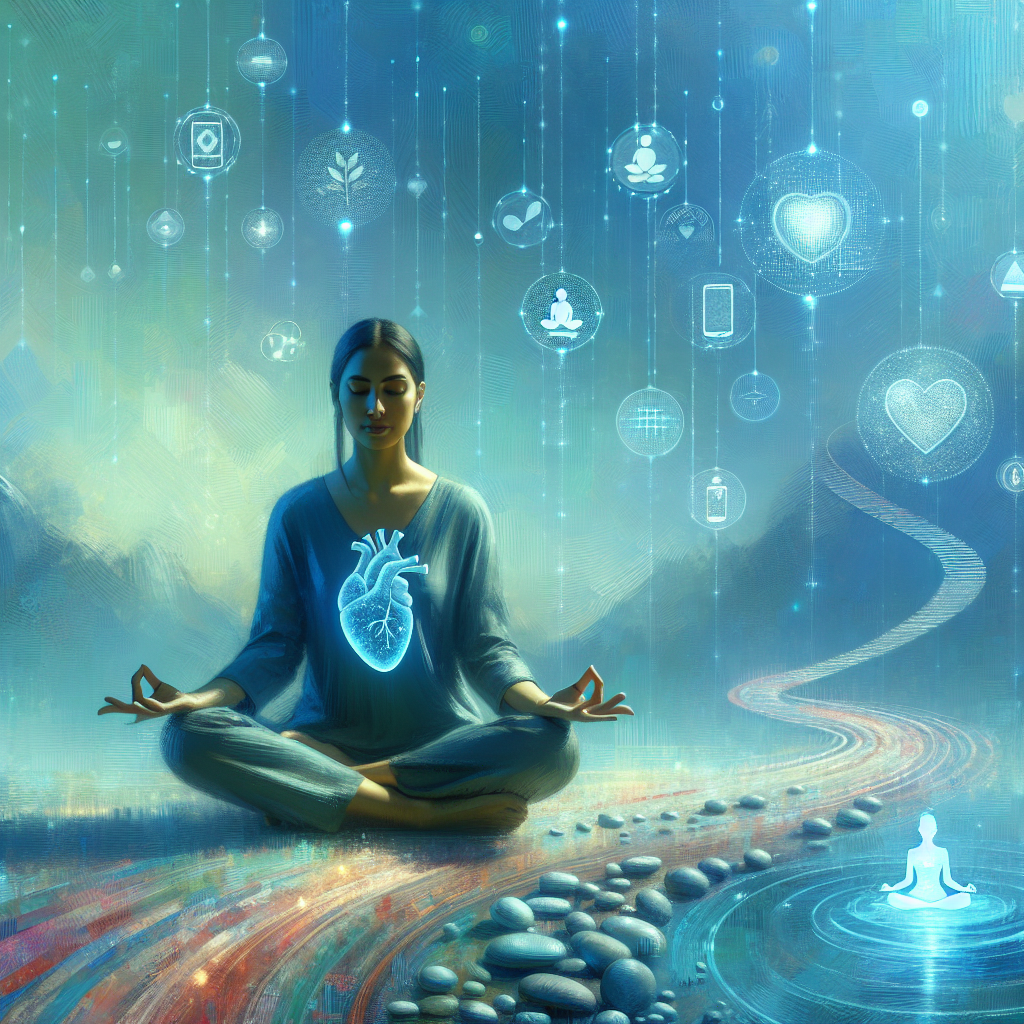
The Science Behind Trauma Recovery
Trauma can leave a lasting imprint on the brain, affecting emotional regulation, memory, and stress response. Recovery involves not just psychological therapy but also physiological healing. This is where relaxation technology comes in, helping to calm the nervous system and promote a state of balance. Technologies like VR therapy and neurofeedback work by engaging the brain in a way that supports healing and growth.
Types of Relaxation Technologies Used in Trauma Therapy
Virtual Reality (VR) Therapy
VR therapy offers immersive experiences that can transport individuals to calming environments or simulate therapeutic scenarios. This form of therapy is particularly effective in exposure therapy, allowing trauma survivors to process their experiences in a controlled, safe setting.
Biofeedback Devices
Biofeedback devices track physiological responses such as heart rate and skin conductance. By providing real-time data, these devices teach users how to manage stress responses, empowering them to gain control over their bodies and minds.
Mindfulness and Meditation Apps
Apps like Headspace and Calm provide guided meditations and breathing exercises that can be tailored to individual needs. These tools encourage mindfulness, helping trauma survivors stay grounded and present.
Personal Stories of Transformation
Jane’s journey with relaxation technology began after a car accident left her with PTSD. Through VR therapy, she was able to face her fears gradually, rebuilding her confidence and easing her anxiety. Similarly, Tom found solace in biofeedback devices, which taught him how to regulate his breathing during panic attacks, significantly improving his quality of life.
Benefits of Using Relaxation Technology
Relaxation technology offers numerous benefits, including:
Enhanced Relaxation: By reducing stress and anxiety, these technologies help create a calming effect, crucial for trauma recovery.
Improved Emotional Regulation: Tools like biofeedback empower users to understand and manage their emotional responses better.
Convenience and Accessibility: Many relaxation technologies are available through smartphones, making them easily accessible for daily use.
Personalized Therapy: With a variety of options available, individuals can choose the tools that best fit their needs and preferences.
How to Get Started with Relaxation Technology
If you’re considering incorporating relaxation technology into your trauma recovery journey, here are a few steps to get started:
Research and Choose: Look into different relaxation technologies and decide which ones align with your needs.
Consult a Professional: Speak with a mental health professional to understand how these technologies can complement your existing therapy.
Start Slow: Begin with short sessions and gradually increase as you become more comfortable.
Track Progress: Keep a journal to monitor your progress and adjust your approach as needed.
Conclusion
Relaxation technology is revolutionizing the way we approach trauma recovery, offering innovative solutions that enhance traditional therapeutic methods. By embracing these tools, individuals can find new pathways to healing, regaining control over their lives and emotions. As with any therapeutic approach, it’s important to find what works best for you and seek guidance from professionals as needed.
FAQs
Q: Are relaxation technologies suitable for everyone?
A: While many people benefit from relaxation technologies, it’s essential to consult with a mental health professional to determine if they’re appropriate for your specific situation.
Q: Can I use relaxation technology on my own?
A: Yes, many tools are designed for personal use, but it’s often beneficial to incorporate them into a broader therapeutic plan guided by a professional.
Q: How quickly can I expect results from using relaxation technology?
A: The timeline for results can vary greatly depending on the individual and the type of technology used. Consistent use and professional guidance often lead to more effective outcomes.
Embrace the future of mental health with relaxation technology, and take the first step towards a more peaceful, balanced life. ?????
Roshiwave Meditation Mind Machine
Add CTA sections description.