
The Role of Brainwaves in Phantom Limb Syndrome Treatment: A Revolutionary Approach to Healing
Table of Contents
1. Introduction to Phantom Limb Syndrome and Brainwave Therapy
2. Understanding Phantom Limb Syndrome: When the Mind Remembers What’s Gone
3. The Science Behind Brainwaves: Your Brain’s Electrical Symphony
4. How Brainwaves Connect to Phantom Limb Pain
5. Revolutionary Brainwave-Based Treatment Methods
6. Real-World Success Stories and Clinical Evidence
7. The Future of Phantom Limb Treatment
8. Conclusion
9. Frequently Asked Questions
Introduction to Phantom Limb Syndrome and Brainwave Therapy
Imagine feeling an intense itch on your hand, reaching to scratch it, only to remember that your hand was amputated months ago. This bewildering experience affects up to 80% of amputees worldwide, creating a medical puzzle that has challenged doctors and researchers for centuries. Phantom limb syndrome, the sensation of feeling pain or other sensations in a missing limb, has traditionally been one of medicine’s most perplexing conditions to treat effectively.
However, recent breakthroughs in neuroscience have opened an exciting new frontier in phantom limb treatment. By understanding and manipulating brainwaves – the electrical patterns that govern our thoughts, emotions, and sensations – researchers are developing revolutionary approaches that offer hope where traditional methods have fallen short. This cutting-edge field represents a paradigm shift from treating symptoms to addressing the root neurological causes of phantom sensations.
Understanding Phantom Limb Syndrome: When the Mind Remembers What’s Gone
Phantom limb syndrome occurs when the brain continues to receive signals from nerves that originally carried impulses from the missing limb. Think of it as your brain’s GPS system still trying to navigate to a destination that no longer exists on the map. The condition manifests in various ways, from mild tingling sensations to excruciating pain that can severely impact quality of life.
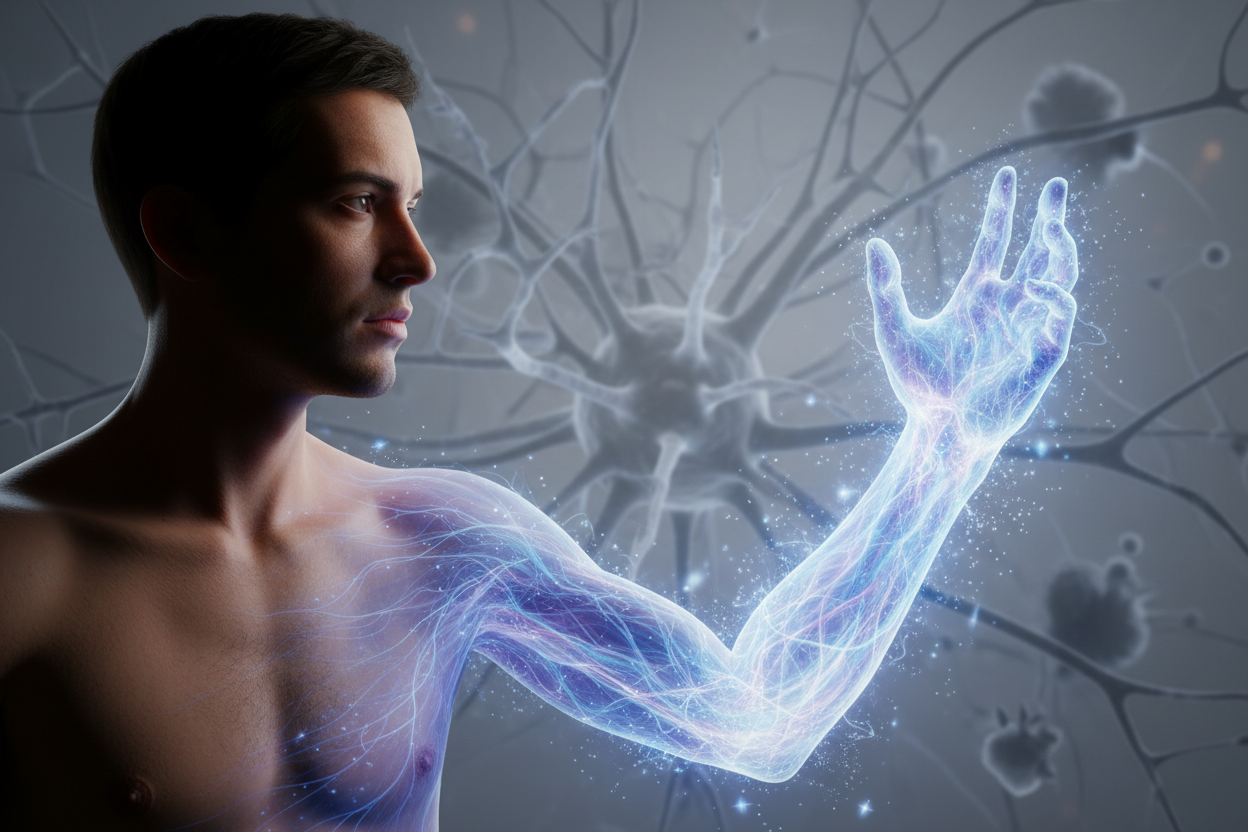
What makes phantom limb syndrome particularly challenging is its unpredictable nature. Some patients experience constant burning sensations, while others feel as though their missing limb is twisted in an uncomfortable position. The phantom sensations can include pain, pressure, warmth, cold, itching, or even the feeling that the limb is still moving. These experiences aren’t “all in the head” – they’re real neurological phenomena with measurable brain activity patterns.
Traditional treatments have included medications, nerve blocks, and various forms of therapy, but success rates have been inconsistent. Many patients find themselves cycling through multiple treatment options with limited relief, highlighting the urgent need for more effective approaches. This is where brainwave research has begun to offer new possibilities.
The Science Behind Brainwaves: Your Brain’s Electrical Symphony
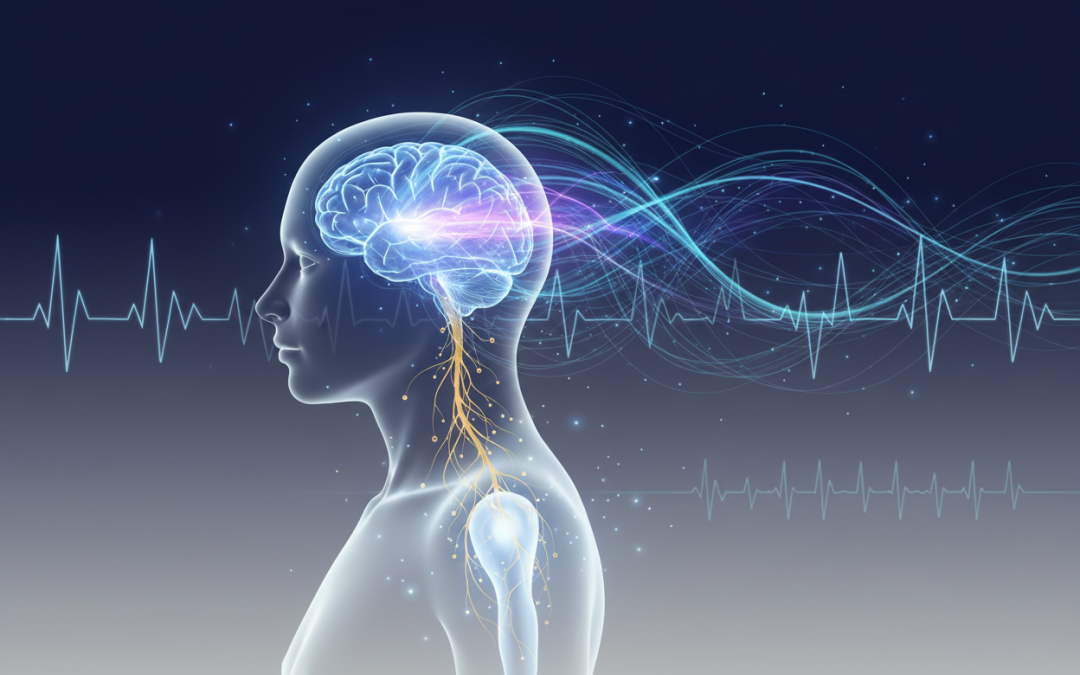
To understand how brainwaves can treat phantom limb syndrome, we first need to explore what brainwaves actually are. Your brain consists of billions of neurons that communicate through electrical impulses, creating patterns of activity that can be measured and analyzed. These patterns, or brainwaves, occur at different frequencies and are associated with various states of consciousness and bodily functions.
Scientists have identified several key brainwave frequencies, each playing distinct roles in our neurological function. Delta waves (0.5-4 Hz) dominate during deep sleep, while theta waves (4-8 Hz) are associated with meditation and creativity. Alpha waves (8-13 Hz) appear during relaxed, wakeful states, and beta waves (13-30 Hz) correlate with active thinking and problem-solving. Gamma waves (30-100 Hz) are linked to heightened awareness and cognitive processing.
What’s fascinating about phantom limb syndrome is that researchers have discovered specific brainwave patterns associated with phantom sensations. When patients experience phantom pain, their brains show distinct electrical signatures that differ from normal pain processing. This discovery has opened the door to targeted interventions that can modify these problematic brainwave patterns.
How Brainwaves Connect to Phantom Limb Pain
The relationship between brainwaves and phantom limb sensations lies in the brain’s remarkable ability to reorganize itself, known as neuroplasticity. When a limb is amputated, the brain regions that once processed sensory information from that limb don’t simply shut down. Instead, they often become hyperactive or begin processing signals from other body parts, creating a neurological “cross-wiring” effect.
Research using advanced neuroimaging techniques has revealed that phantom pain correlates with abnormal brainwave activity in several key areas. The somatosensory cortex, which processes touch and position information, shows persistent activation patterns even when no limb is present. Meanwhile, the thalamus, which acts as the brain’s relay station for sensory information, exhibits altered rhythmic activity that may contribute to phantom sensations.
Perhaps most intriguingly, studies have shown that the severity and frequency of phantom pain directly correlate with specific brainwave patterns. Patients experiencing more intense phantom sensations often display increased beta wave activity in pain-processing regions, while those with better symptom control show more normalized brainwave patterns. This correlation suggests that modifying brainwave activity could potentially reduce or eliminate phantom limb pain.
Revolutionary Brainwave-Based Treatment Methods
Armed with this understanding of brainwave patterns in phantom limb syndrome, researchers have developed several innovative treatment approaches that target the electrical activity of the brain directly. These methods represent a fundamental shift from traditional symptom management to addressing the underlying neurological dysfunction.
Neurofeedback therapy has emerged as one of the most promising brainwave-based treatments. This technique uses real-time monitoring of brain activity to teach patients how to consciously modify their brainwave patterns. During a typical session, patients wear sensors that detect their brainwaves while engaging in specific mental exercises or watching visual feedback on a computer screen. When their brain produces the desired wave patterns, they receive positive feedback, gradually training their brain to maintain healthier electrical activity.
Transcranial stimulation techniques offer another exciting avenue for treatment. Methods like transcranial direct current stimulation (tDCS) and transcranial magnetic stimulation (TMS) use external devices to influence brainwave patterns in targeted regions. These non-invasive procedures can help normalize the abnormal electrical activity associated with phantom sensations, often providing relief within just a few treatment sessions.
Brain-computer interface technology represents the cutting edge of brainwave-based phantom limb treatment. These sophisticated systems can detect the brain’s intention to move a missing limb and translate those signals into control of prosthetic devices or virtual reality environments. By providing the brain with appropriate feedback about limb movement, these interfaces can help reduce the neurological confusion that contributes to phantom sensations.
Real-World Success Stories and Clinical Evidence
The theoretical promise of brainwave-based treatments is being validated by impressive real-world results. Clinical trials have demonstrated significant improvements in phantom limb pain using various brainwave modification techniques, with some patients experiencing complete resolution of their symptoms.
One particularly compelling study followed 30 amputees who underwent neurofeedback training over 12 weeks. Participants learned to increase alpha wave activity while decreasing beta wave activity in specific brain regions. By the end of the treatment period, 73% of participants reported significant reductions in phantom pain intensity, with improvements maintained at six-month follow-up assessments.
Another groundbreaking trial examined the effectiveness of targeted transcranial magnetic stimulation in treating phantom limb pain. Patients received daily stimulation sessions designed to normalize brainwave activity in pain-processing regions. Results showed that 85% of participants experienced meaningful pain reduction, with many reporting their first pain-free days since their amputation.
Perhaps most remarkably, brain-computer interface studies have shown that providing amputees with control over virtual or prosthetic limbs can dramatically reduce phantom sensations. When patients can “move” their missing limb through thought alone, their brains often interpret this as evidence that the limb still exists and functions normally, reducing the neurological confusion that generates phantom pain.
The Future of Phantom Limb Treatment
As our understanding of brainwaves and their role in phantom limb syndrome continues to evolve, the future holds even more exciting possibilities. Researchers are developing increasingly sophisticated methods for monitoring and modifying brain activity, with the ultimate goal of providing personalized treatments tailored to each patient’s unique brainwave patterns.
Artificial intelligence is beginning to play a crucial role in optimizing brainwave-based treatments. Machine learning algorithms can analyze vast amounts of brainwave data to identify the most effective stimulation patterns for individual patients, potentially improving treatment outcomes while reducing the time needed to achieve results.
Wearable technology is making brainwave monitoring and modification more accessible than ever before. Portable devices that can detect and influence brainwave activity are being developed for home use, allowing patients to continue their treatment between clinical visits and maintain the neurological changes achieved during formal therapy sessions.
The integration of virtual and augmented reality with brainwave monitoring represents another frontier in phantom limb treatment. These immersive technologies can provide rich sensory feedback that helps retrain the brain’s representation of the missing limb, potentially accelerating the healing process and improving long-term outcomes.
Conclusion
The role of brainwaves in phantom limb syndrome treatment represents one of the most exciting developments in modern neuroscience and rehabilitation medicine. By understanding how the brain’s electrical activity contributes to phantom sensations, researchers have opened new pathways for treatment that address the root causes rather than just managing symptoms.
From neurofeedback training that teaches patients to control their own brainwaves to sophisticated brain-computer interfaces that restore the sense of limb control, these innovative approaches offer hope for millions of amputees worldwide. The growing body of clinical evidence demonstrates that brainwave-based treatments can provide significant, lasting relief for phantom limb pain.
As technology continues to advance and our understanding of the brain deepens, we can expect even more effective treatments to emerge. The future of phantom limb syndrome treatment lies not in simply blocking pain signals, but in helping the brain adapt and heal from the trauma of limb loss. Through the careful manipulation of brainwaves, we’re learning to speak the brain’s own language and guide it toward recovery.
For those living with phantom limb syndrome, these developments offer genuine reason for optimism. While the field is still evolving, the evidence clearly shows that brainwave-based treatments can provide meaningful relief and improved quality of life. As these technologies become more widely available and refined, they promise to transform the landscape of phantom limb treatment forever.
Frequently Asked Questions
Q: How long does it take for brainwave-based treatments to show results in phantom limb syndrome?
A: The timeline varies depending on the specific treatment and individual factors. Neurofeedback therapy typically requires 8-12 weeks of regular sessions to show significant improvement, while transcranial stimulation may provide relief within days to weeks. Some patients notice changes after just a few sessions, while others may need longer treatment periods.
Q: Are brainwave treatments for phantom limb syndrome covered by insurance?
A: Insurance coverage varies significantly depending on your provider and location. Some established treatments like certain forms of transcranial magnetic stimulation may be covered, especially when prescribed by a neurologist or pain specialist. Newer treatments may require prior authorization or may not be covered yet. It’s best to check with your insurance provider and healthcare team.
Q: Can brainwave treatments completely eliminate phantom limb pain?
A: While some patients do experience complete resolution of phantom pain through brainwave-based treatments, results vary from person to person. Many patients experience significant reductions in pain intensity and frequency, even if complete elimination isn’t achieved. The goal is meaningful improvement in quality of life and daily functioning.
Q: Are there any side effects or risks associated with brainwave treatments?
A: Most brainwave-based treatments are considered safe with minimal side effects. Neurofeedback is generally well-tolerated, though some people may experience temporary fatigue or headaches. Transcranial stimulation may cause mild scalp irritation or headaches. Serious side effects are rare, but treatments should always be conducted under professional supervision.
Q: Who is a good candidate for brainwave-based phantom limb treatment?
A: Most amputees experiencing phantom limb sensations can potentially benefit from brainwave treatments. The best candidates are typically those who haven’t found adequate relief from traditional treatments, are motivated to participate in active therapy, and don’t have contraindications like certain types of implanted medical devices. A thorough evaluation by a qualified healthcare provider can determine individual suitability.