

How Barometric Pressure Changes Affect Your Brainwave Sensitivity: The Hidden Connection Between Weather and Your Mind
Have you ever noticed how your mood shifts before a storm rolls in? Or perhaps you’ve experienced headaches when the weather suddenly changes? You’re not imagining things. There’s a fascinating scientific connection between barometric pressure changes and how our brains function, particularly regarding brainwave sensitivity. This invisible force of nature doesn’t just influence the weather – it might be quietly affecting your mental state, cognitive performance, and overall well-being in ways you never realized.
Understanding this relationship can help you better prepare for weather-related changes in your mental clarity, mood, and even physical comfort. Let’s dive deep into the science behind this intriguing phenomenon and explore how you can use this knowledge to your advantage.
Table of Contents
1. Understanding Barometric Pressure and Brainwaves
2. The Science Behind Pressure-Induced Brainwave Changes
3. How Weather Patterns Influence Mental States
4. Physical Symptoms of Barometric Pressure Sensitivity
5. Measuring and Tracking Pressure Changes
6. Strategies to Minimize Weather-Related Brain Fog
7. When to Seek Professional Help
8. FAQs
Understanding Barometric Pressure and Brainwaves
Before we explore their connection, it’s essential to understand what we’re dealing with. Barometric pressure, also known as atmospheric pressure, refers to the weight of the air pressing down on Earth’s surface. This pressure constantly fluctuates based on weather patterns, altitude, and temperature changes.
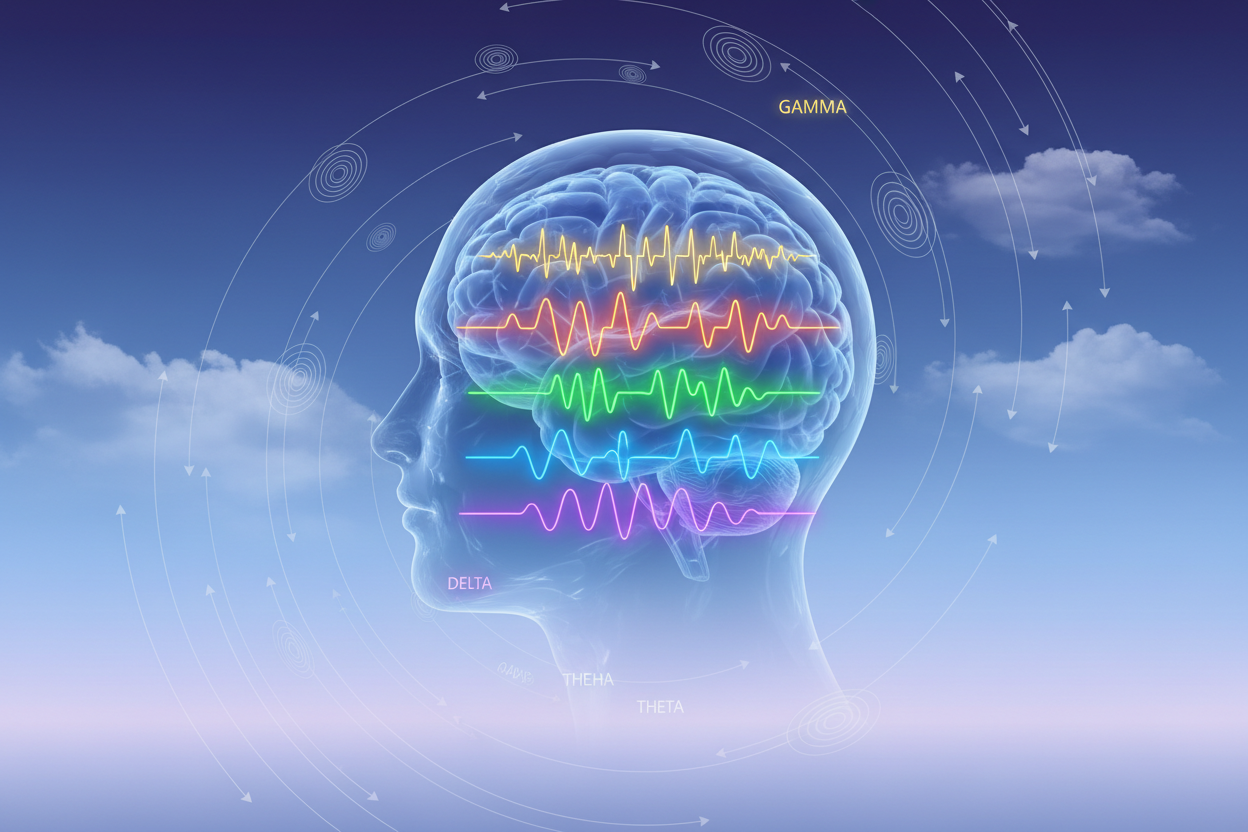
Your brain operates on electrical impulses called brainwaves, which occur at different frequencies depending on your mental state. These include delta waves during deep sleep, theta waves during meditation, alpha waves during relaxation, beta waves during active thinking, and gamma waves during intense focus. When barometric pressure changes, it can subtly alter how these brainwaves function.
Research suggests that our brains are remarkably sensitive to environmental changes, including atmospheric pressure variations. This sensitivity likely evolved as a survival mechanism, helping our ancestors predict weather changes and adapt accordingly. Today, this same sensitivity can manifest as changes in mood, cognitive function, and physical comfort.
The Science Behind Pressure-Induced Brainwave Changes
The relationship between atmospheric pressure and brain function involves several complex mechanisms. When barometric pressure drops – typically before storms or weather fronts – the reduced atmospheric pressure can affect the pressure inside your skull. This creates a subtle but measurable impact on brain tissue and cerebrospinal fluid.
Studies have shown that low atmospheric pressure can increase the production of certain neurotransmitters, particularly serotonin. While serotonin is often called the “happy hormone,” sudden increases can actually trigger headaches and mood changes in sensitive individuals. This explains why some people experience migraines or feel irritable before storms.
Additionally, pressure changes can affect the electrical conductivity of neural pathways. When atmospheric pressure fluctuates, it may alter the brain’s electromagnetic field slightly, potentially influencing brainwave patterns. This is particularly noticeable in people who are already sensitive to electromagnetic changes or have certain neurological conditions.
The pineal gland, often called the brain’s “weather station,” plays a crucial role in this process. This small gland is sensitive to magnetic and atmospheric changes, and it helps regulate circadian rhythms and hormone production. When barometric pressure shifts, the pineal gland may trigger cascading effects throughout your nervous system.
How Weather Patterns Influence Mental States
Different weather patterns create distinct atmospheric pressure signatures that can affect your mental state in predictable ways. Understanding these patterns can help you anticipate and prepare for potential changes in your cognitive function and mood.
Low-pressure systems, which typically bring clouds, rain, and storms, often correlate with decreased mental energy and focus. Many people report feeling sluggish, experiencing brain fog, or having difficulty concentrating when these systems approach. This isn’t just psychological – the actual pressure change is affecting your brain’s electrical activity.
High-pressure systems, associated with clear, sunny weather, generally promote alertness and positive mood. The stable atmospheric conditions seem to support more consistent brainwave patterns, leading to improved cognitive performance and emotional stability for most people.
Rapid pressure changes, regardless of direction, tend to be the most disruptive. When pressure drops or rises quickly – such as during the passage of a strong weather front – sensitive individuals may experience headaches, mood swings, difficulty sleeping, or changes in appetite. The brain needs time to adapt to new pressure conditions, and sudden changes don’t allow for this gradual adjustment.
Physical Symptoms of Barometric Pressure Sensitivity
Barometric pressure sensitivity manifests differently in each person, but there are common symptoms that many weather-sensitive individuals experience. Recognizing these symptoms can help you identify your own sensitivity patterns and take proactive steps to manage them.
Headaches and migraines are among the most common symptoms. These often begin hours before a weather change becomes apparent, making them reliable predictors for some people. The headaches typically result from changes in blood vessel dilation and neurotransmitter levels triggered by pressure fluctuations.
Sleep disturbances frequently accompany barometric pressure changes. You might find yourself waking up more often during the night, experiencing vivid dreams, or feeling unrested despite adequate sleep time. This occurs because pressure changes can affect melatonin production and disrupt normal circadian rhythms.
Cognitive symptoms include difficulty concentrating, memory problems, and mental fatigue. Some people describe feeling like they’re thinking through fog or having trouble finding words. These symptoms typically resolve once the weather system passes and atmospheric pressure stabilizes.
Mood changes are also common, ranging from mild irritability to more significant anxiety or depression. The neurotransmitter fluctuations caused by pressure changes can temporarily alter your emotional regulation, making you more sensitive to stress or prone to negative thinking patterns.
Measuring and Tracking Pressure Changes
If you suspect you’re sensitive to barometric pressure changes, tracking these fluctuations alongside your symptoms can help confirm the connection and identify your personal patterns. Modern technology makes this easier than ever before.
Smartphone apps can provide real-time barometric pressure readings and forecasts. Many weather apps now include barometric pressure data, and some specialized apps are designed specifically for people tracking weather-related health symptoms. These tools can send alerts when significant pressure changes are approaching.
Traditional barometers remain excellent tools for monitoring pressure trends in your immediate environment. Digital barometers are particularly useful because they can log data over time, helping you identify patterns between pressure changes and your symptoms.
Keep a symptom diary alongside pressure tracking. Note the timing, severity, and type of symptoms you experience, then correlate these with pressure readings and weather patterns. Over time, you’ll likely notice consistent relationships that can help you predict and prepare for weather-related symptoms.
Pay attention to the rate of pressure change, not just the absolute readings. A drop from 30.20 to 29.80 inches of mercury over 24 hours might not affect you, but the same change occurring over 3 hours could trigger symptoms. The speed of change often matters more than the magnitude.
Strategies to Minimize Weather-Related Brain Fog
Once you’ve identified your sensitivity to barometric pressure changes, you can implement strategies to minimize their impact on your cognitive function and overall well-being. These approaches work by supporting your brain’s natural adaptation mechanisms and reducing the stress on your nervous system.
Hydration plays a crucial role in managing pressure sensitivity. When atmospheric pressure changes, your body’s fluid balance can be affected. Drinking adequate water helps maintain proper blood volume and supports healthy circulation to the brain. Aim for consistent hydration rather than dramatically increasing intake only when symptoms appear.
Regular sleep schedules become even more important for pressure-sensitive individuals. Your brain needs consistent rest to maintain stable neurotransmitter levels and adapt to environmental changes. Try to maintain the same bedtime and wake time even when weather changes disrupt your natural rhythms.
Gentle exercise can help counteract the sluggishness often associated with low-pressure systems. Light walking, stretching, or yoga can improve circulation and help your brain maintain optimal function despite atmospheric changes. Avoid intense exercise during severe weather changes, as this can increase stress on your already-adapting nervous system.
Breathing exercises and meditation can be particularly effective for managing weather-related anxiety and cognitive symptoms. Deep breathing helps regulate your autonomic nervous system and can partially counteract the effects of pressure-induced neurotransmitter fluctuations. Even five minutes of focused breathing can provide noticeable relief.
When to Seek Professional Help
While weather sensitivity is common and usually manageable, there are situations where professional medical advice becomes necessary. Understanding when your symptoms cross the line from normal sensitivity to potential health concerns can help you make informed decisions about seeking treatment.
Severe, debilitating headaches that significantly impact your daily life warrant medical attention. While weather-related headaches are common, they shouldn’t be so intense that they prevent you from working, socializing, or maintaining normal activities. A healthcare provider can help determine if underlying conditions are making you more susceptible to pressure changes.
If mood changes associated with weather patterns become severe or persistent, consider consulting a mental health professional. While temporary mood fluctuations are normal, significant depression or anxiety that coincides with weather changes might indicate a condition like Seasonal Affective Disorder (SAD) that could benefit from treatment.
Cognitive symptoms that don’t resolve when weather stabilizes should be evaluated by a healthcare provider. While temporary brain fog is common during pressure changes, persistent memory problems, confusion, or difficulty concentrating might indicate other underlying issues that need attention.
Keep detailed records of your symptoms to share with healthcare providers. This information can help them understand your patterns and determine whether your weather sensitivity is within normal ranges or might indicate an underlying condition that could be treated.
Conclusion
The connection between barometric pressure changes and brainwave sensitivity reveals just how intricately connected we are to our environment. While we can’t control the weather, understanding how atmospheric pressure affects our cognitive function and mood empowers us to better manage these natural fluctuations.
By recognizing your personal sensitivity patterns, tracking pressure changes, and implementing appropriate coping strategies, you can minimize the impact of weather-related symptoms on your daily life. Remember that weather sensitivity is a normal physiological response, not a character flaw or weakness.
As our understanding of this phenomenon continues to grow, we may develop even better strategies for managing weather-related cognitive and mood changes. Until then, the combination of awareness, preparation, and self-care remains our best approach to maintaining mental clarity and emotional stability regardless of what Mother Nature has in store.
Frequently Asked Questions
Q: How quickly do brainwave changes occur after barometric pressure shifts?
A: Brainwave sensitivity to pressure changes can occur within hours of atmospheric shifts, with some people noticing effects 12-48 hours before visible weather changes appear. The timing varies significantly between individuals.
Q: Are certain people more sensitive to barometric pressure changes than others?
A: Yes, sensitivity varies widely among individuals. People with migraines, arthritis, fibromyalgia, or other chronic conditions often show greater sensitivity. Age, genetics, and overall health status also influence sensitivity levels.
Q: Can barometric pressure sensitivity be treated or cured?
A: While there’s no “cure” for weather sensitivity, symptoms can be effectively managed through lifestyle modifications, stress reduction, proper hydration, and in some cases, preventive medications prescribed by healthcare providers.
Q: Do barometric pressure changes affect children differently than adults?
A: Children can be sensitive to pressure changes, but they may not recognize or articulate the connection. Parents might notice changes in behavior, sleep patterns, or mood that correlate with weather patterns.
Q: Is there a specific barometric pressure range that causes the most problems?
A: It’s typically the rate and magnitude of pressure change rather than absolute readings that cause symptoms. Drops of 0.10 inches of mercury or more within a few hours tend to trigger symptoms in sensitive individuals.
Q: Can moving to a different climate reduce barometric pressure sensitivity?
A: Some people find relief by moving to areas with more stable weather patterns, but this isn’t guaranteed. The body often adapts to new environments, and sensitivity can persist or even change in different climates.