
How Breathing Patterns Synchronize with Brainwave Entrainment: The Science Behind Mind-Body Connection
Table of Contents
1. Introduction to Breathing and Brainwave Synchronization
2. Understanding Brainwave Entrainment Fundamentals
3. The Neurological Connection Between Breath and Brain
4. Different Breathing Patterns and Their Effects on Brainwaves
5. Practical Applications for Daily Life
6. Scientific Evidence Supporting Breath-Brain Synchronization
7. Techniques to Optimize Your Breathing for Better Brainwave States
8. Common Mistakes and How to Avoid Them
9. Conclusion
10. Frequently Asked Questions
Introduction to Breathing and Brainwave Synchronization
Have you ever noticed how your breathing changes when you’re deeply focused or completely relaxed? There’s actually a fascinating scientific reason behind this phenomenon. The relationship between our breathing patterns and brainwave activity represents one of the most accessible yet powerful tools we have for influencing our mental states.
This intricate dance between breath and brain isn’t just ancient wisdom – it’s backed by cutting-edge neuroscience research. When we understand how breathing patterns synchronize with brainwave entrainment, we unlock a natural method for enhancing focus, reducing stress, and optimizing our cognitive performance.
Throughout this exploration, we’ll dive deep into the mechanisms that make this synchronization possible, examine practical applications, and discover how you can harness this knowledge to improve your daily life. Whether you’re seeking better concentration for work, deeper relaxation for sleep, or enhanced creativity for problem-solving, the breath-brain connection offers a pathway to these goals.
Understanding Brainwave Entrainment Fundamentals
Brainwave entrainment refers to the brain’s natural tendency to synchronize its electrical activity with external rhythmic stimuli. Think of it like a musical ensemble where individual musicians gradually sync up to play in perfect harmony. Our brains operate on similar principles, naturally aligning with consistent rhythmic patterns in our environment.

The human brain produces five primary types of brainwaves, each associated with different states of consciousness. Delta waves (0.5-4 Hz) dominate during deep sleep, while theta waves (4-8 Hz) appear during light sleep and deep meditation. Alpha waves (8-13 Hz) characterize relaxed awareness, beta waves (13-30 Hz) indicate active thinking and concentration, and gamma waves (30-100 Hz) are linked to heightened awareness and cognitive processing.
What makes breathing particularly effective for brainwave entrainment is its dual nature as both an automatic and voluntary process. Unlike external devices that produce sounds or lights, breathing originates from within our own nervous system, creating a more intimate and natural form of entrainment that our brains readily accept and respond to.
The Neurological Connection Between Breath and Brain
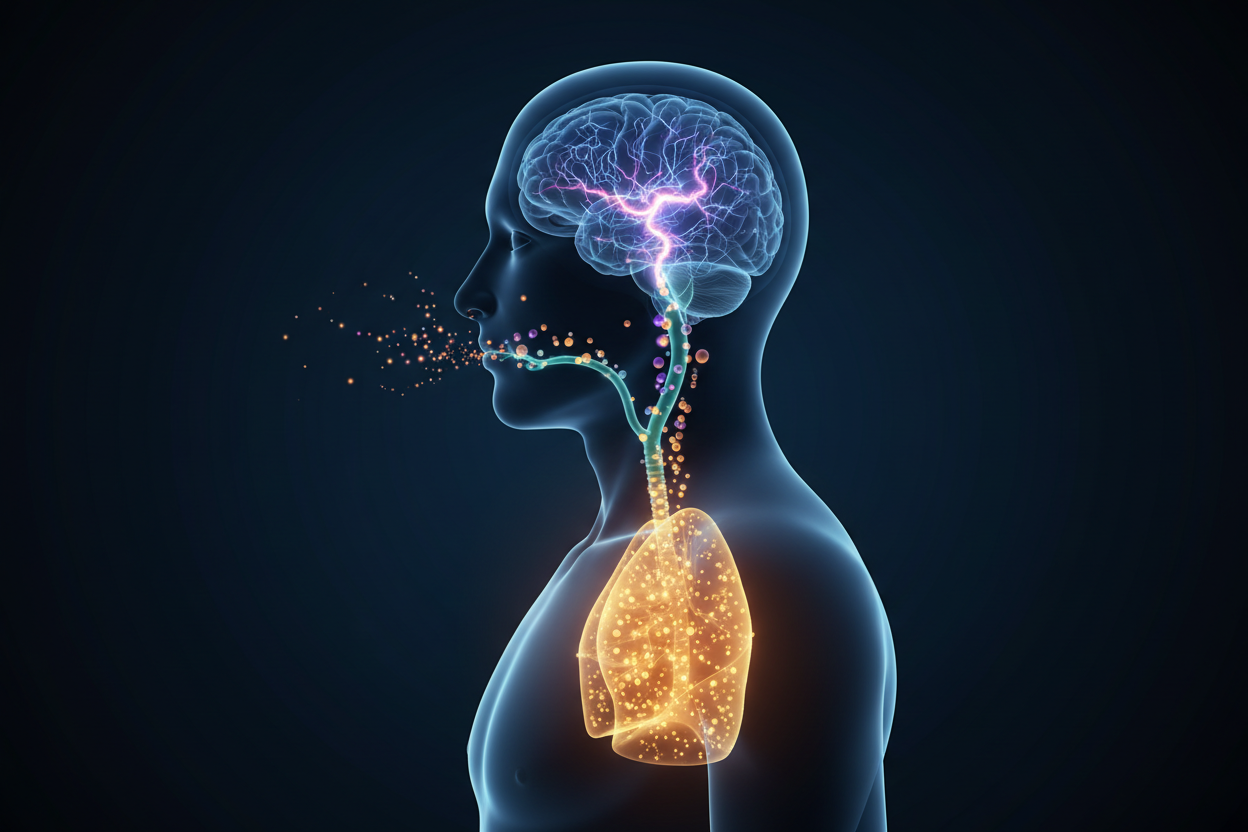
The connection between breathing and brainwave activity operates through several interconnected neurological pathways. The primary pathway involves the vagus nerve, which serves as a major communication highway between the brain and various organs, including the lungs and heart.
When we breathe, specialized receptors in our lungs and airways send signals through the vagus nerve to the brainstem. These signals don’t just control breathing mechanics – they also influence the release of neurotransmitters and affect the overall electrical activity of the brain. This explains why controlled breathing can rapidly shift our mental state from anxious to calm or from scattered to focused.
The respiratory rhythm also directly affects the activity of the locus coeruleus, a small region in the brainstem that produces norepinephrine, a neurotransmitter crucial for attention and arousal. Research has shown that the firing rate of neurons in this region synchronizes with breathing patterns, creating a direct link between how we breathe and how alert or relaxed we feel.
Additionally, breathing patterns influence the production and distribution of various brain chemicals, including GABA (which promotes relaxation), dopamine (associated with motivation and reward), and serotonin (linked to mood regulation). This neurochemical cascade explains why specific breathing techniques can produce predictable changes in our emotional and cognitive states.
Different Breathing Patterns and Their Effects on Brainwaves
Various breathing patterns create distinct effects on brainwave activity, each serving different purposes and producing unique mental states. Understanding these patterns allows us to consciously choose the type of breathing that best supports our current goals or needs.
Slow, deep breathing patterns, typically involving inhalation and exhalation cycles lasting 4-6 seconds each, tend to promote alpha and theta brainwave activity. This type of breathing activates the parasympathetic nervous system, leading to reduced stress hormones, lower heart rate, and enhanced feelings of calm and clarity. Many people find this pattern particularly effective for meditation, creative thinking, and preparing for sleep.
Rapid, shallow breathing patterns generate different effects entirely. While often associated with stress or anxiety when occurring involuntarily, controlled rapid breathing can actually increase beta and gamma wave activity, enhancing alertness and cognitive processing speed. Some breathwork practices deliberately use this type of breathing to achieve heightened states of awareness, though it should be practiced carefully and preferably under guidance.
Rhythmic breathing patterns with specific ratios, such as the 4-7-8 technique (inhale for 4 counts, hold for 7, exhale for 8), create particularly strong entrainment effects. These structured patterns provide clear rhythmic cues that the brain can easily synchronize with, often producing rapid and noticeable changes in mental state.
Box breathing, which involves equal-length phases of inhalation, retention, exhalation, and pause, creates a balanced brainwave state that many people find ideal for maintaining steady focus and emotional regulation. This technique is widely used by military personnel, athletes, and professionals who need to maintain peak performance under pressure.
Practical Applications for Daily Life
The synchronization between breathing patterns and brainwave entrainment offers numerous practical applications that can enhance various aspects of daily life. By understanding which breathing techniques produce specific brainwave states, we can strategically use our breath to optimize our performance and well-being throughout the day.
For morning activation and mental clarity, incorporating energizing breathing patterns can help transition from the slower brainwaves of sleep to the more active beta waves needed for productive thinking. A few minutes of structured breathing upon waking can replace or enhance the effects of caffeine, providing natural energy and mental sharpness.
During work or study sessions, maintaining awareness of breathing rhythm can help sustain optimal brainwave states for concentration and learning. When you notice your mind wandering or energy flagging, a brief breathing exercise can quickly restore focus and mental clarity without requiring a long break from your tasks.
For stress management throughout the day, having a repertoire of calming breathing techniques provides an always-available tool for shifting from stressful beta wave dominance to more balanced alpha states. This can be particularly valuable during challenging meetings, difficult conversations, or high-pressure situations.
Evening wind-down routines benefit enormously from breathing practices that promote theta and delta wave activity. By consciously slowing and deepening the breath before bedtime, you can facilitate the natural transition toward sleep-conducive brainwave patterns, often improving both sleep quality and the time it takes to fall asleep.
Scientific Evidence Supporting Breath-Brain Synchronization
Recent neuroscience research has provided compelling evidence for the connection between breathing patterns and brainwave entrainment. Studies using advanced brain imaging techniques have demonstrated that controlled breathing exercises produce measurable changes in neural activity within minutes of practice.
One landmark study published in the Journal of Neurophysiology found that participants who practiced slow, deep breathing showed increased alpha wave activity and improved performance on attention-based tasks. The researchers noted that these changes occurred rapidly and were directly correlated with the breathing rhythm, providing strong evidence for the entrainment effect.
Research conducted at Stanford University revealed that a specific group of neurons in the brainstem, dubbed the “breathing pacemaker,” directly influences brain regions responsible for arousal, attention, and stress response. This discovery provided a clear neurological mechanism explaining how breathing patterns can so rapidly and effectively alter mental states.
Studies examining meditation practitioners have shown that experienced meditators can voluntarily shift their brainwave patterns through breathing techniques alone. EEG recordings demonstrate that these individuals can move from beta wave dominance to alpha or theta states within 2-3 minutes of beginning specific breathing practices, highlighting the speed and effectiveness of breath-based entrainment.
Clinical research has also documented the therapeutic applications of breath-brain synchronization. Studies with anxiety disorders, PTSD, and attention deficit conditions have shown significant improvements when patients learn to use breathing techniques to regulate their brainwave activity, often reducing the need for medication or enhancing the effectiveness of other treatments.
Techniques to Optimize Your Breathing for Better Brainwave States
Developing skill in breath-brain synchronization requires understanding both the techniques themselves and the principles that make them effective. The key is learning to consciously control your breathing rhythm while remaining aware of the resulting changes in your mental state.
Begin with basic awareness exercises where you simply observe your natural breathing pattern without trying to change it. This builds the foundation of breath awareness that makes more advanced techniques possible. Notice how your breathing changes throughout the day and in different situations – this awareness itself begins to create more conscious control over your breath-brain connection.
Practice coherent breathing, which involves maintaining a steady rhythm of approximately 5 breaths per minute (6 seconds in, 6 seconds out). This pattern has been shown to optimize heart rate variability and promote balanced brainwave activity. Start with just 2-3 minutes of practice and gradually increase the duration as the technique becomes more natural.
Experiment with breath retention techniques, but approach them gradually and never strain. Brief pauses between inhalation and exhalation can intensify the entrainment effect and provide greater control over your mental state. The 4-4-4-4 box breathing pattern offers a gentle introduction to retention-based techniques.
Learn to use your breath as a real-time biofeedback tool. As you practice different breathing patterns, pay attention to the immediate effects on your thoughts, emotions, and physical sensations. This awareness helps you develop intuitive skill in choosing the right breathing technique for any given situation or desired mental state.
Common Mistakes and How to Avoid Them
While breathing techniques for brainwave entrainment are generally safe and accessible, several common mistakes can reduce their effectiveness or create unnecessary difficulties. Understanding these pitfalls helps ensure your practice develops smoothly and produces the desired results.
One frequent mistake is trying to force dramatic changes too quickly. The breath-brain connection responds best to gradual, gentle adjustments rather than sudden, extreme changes. Attempting to drastically slow or deepen your breathing can create tension and actually work against the relaxation you’re seeking. Instead, make small adjustments and allow your nervous system time to adapt and respond.
Another common error involves focusing too intensely on technique at the expense of natural flow. While structure is important, breathing should never feel forced or uncomfortable. If you find yourself struggling to maintain a particular pattern, it’s better to simplify the technique or return to natural breathing rather than create stress through excessive effort.
Many people also make the mistake of practicing only when they’re already stressed or agitated. While breathing techniques can certainly help in difficult moments, they’re most effective when practiced regularly during calm periods. This builds familiarity with the techniques and strengthens the neural pathways that make breath-brain synchronization possible.
Inconsistent practice represents another obstacle to developing skill in this area. Like any other ability, breath-brain synchronization improves with regular practice. Sporadic, intense sessions are less effective than brief, consistent daily practice. Even 5-10 minutes of daily breathing exercises will produce better results than hour-long sessions practiced only occasionally.
Conclusion
The synchronization between breathing patterns and brainwave entrainment represents a remarkable example of the mind-body connection in action. This natural phenomenon offers us a powerful, accessible tool for influencing our mental states, emotional well-being, and cognitive performance.
Through understanding the neurological mechanisms that link breath and brain, we can make informed choices about how to use our breathing to support our goals and enhance our daily experience. Whether seeking greater focus for work, deeper relaxation for stress relief, or improved sleep quality, the breath provides a direct pathway to these outcomes.
The scientific evidence supporting breath-brain synchronization continues to grow, validating what contemplative traditions have known for centuries. As we integrate this knowledge with modern understanding of neuroscience, we gain unprecedented insight into how to optimize our mental states through conscious breathing practices.
Remember that developing skill in breath-brain synchronization is a gradual process that rewards patience and consistent practice. Start with simple techniques, pay attention to your body’s responses, and gradually build your repertoire of breathing patterns. With time and practice, you’ll develop an intuitive understanding of how to use your breath as a tool for enhancing your mental clarity, emotional balance, and overall well-being.
Frequently Asked Questions
How quickly can breathing patterns affect brainwave activity?
Brainwave changes can begin within 30-60 seconds of starting a controlled breathing practice, with more significant effects typically occurring within 2-5 minutes. The speed of response varies among individuals and depends on factors like experience level and current stress state.
Can breathing techniques replace meditation for brainwave entrainment?
While breathing techniques are a powerful form of meditation and can produce similar brainwave effects, they work best when combined with other mindfulness practices. Breathing serves as an excellent foundation for meditation and can enhance other contemplative practices.
Are there any risks associated with breathing exercises for brainwave entrainment?
When practiced gently and gradually, breathing exercises are generally very safe. However, people with respiratory conditions, heart problems, or anxiety disorders should consult healthcare providers before beginning intensive breathwork practices. Never force your breathing or practice to the point of dizziness or discomfort.
How often should I practice breathing exercises for optimal results?
Daily practice, even for just 5-10 minutes, is more effective than longer, infrequent sessions. Many people find that practicing 2-3 times daily (morning, midday, and evening) provides optimal benefits for maintaining balanced brainwave activity throughout the day.
Can children safely use breathing techniques for brainwave entrainment?
Yes, children can benefit greatly from simple breathing exercises, though techniques should be age-appropriate and playful. Focus on natural, gentle breathing patterns rather than complex techniques with retention or rapid breathing. Always make it fun and never force participation.