
Using Brainwave Entrainment to Overcome Phone and Social Media Addiction
Table of Contents
1. Introduction: The Modern Struggle with Digital Addiction
2. Understanding Brainwave Entrainment
3. The Science Behind Phone and Social Media Addiction
4. How Brainwave Entrainment Can Help Break Digital Habits
5. Types of Brainwave Frequencies for Addiction Recovery
6. Practical Implementation: Getting Started with Brainwave Entrainment
7. Creating a Comprehensive Digital Detox Plan
8. Success Stories and Real-World Results
9. Potential Challenges and How to Overcome Them
10. Conclusion: Reclaiming Your Mental Freedom
11. Frequently Asked Questions
Introduction: The Modern Struggle with Digital Addiction
Let’s be honest – when was the last time you went an entire hour without checking your phone? If you’re struggling to remember, you’re not alone. The average person checks their smartphone 96 times per day, and many of us feel genuinely anxious when separated from our devices for even short periods.
I’ve witnessed countless friends, family members, and clients trapped in the endless scroll of social media feeds, experiencing what researchers now recognize as genuine addiction symptoms. The constant ping of notifications, the dopamine hit from likes and comments, and the fear of missing out have created a perfect storm of digital dependency that’s affecting our sleep, relationships, and overall well-being.
But here’s where things get interesting – and hopeful. Emerging research suggests that brainwave entrainment, a fascinating neurological technique, might hold the key to breaking free from our digital chains. This isn’t just another willpower-based approach that leaves you feeling defeated when you inevitably reach for your phone again. Instead, it’s a science-backed method that works with your brain’s natural rhythms to create lasting change.
Understanding Brainwave Entrainment
Brainwave entrainment sounds complex, but the concept is surprisingly straightforward. Your brain naturally produces electrical activity in the form of brainwaves – rhythmic patterns that correspond to different mental states. These waves operate at various frequencies, measured in Hertz (Hz), and each frequency range is associated with specific cognitive and emotional experiences.
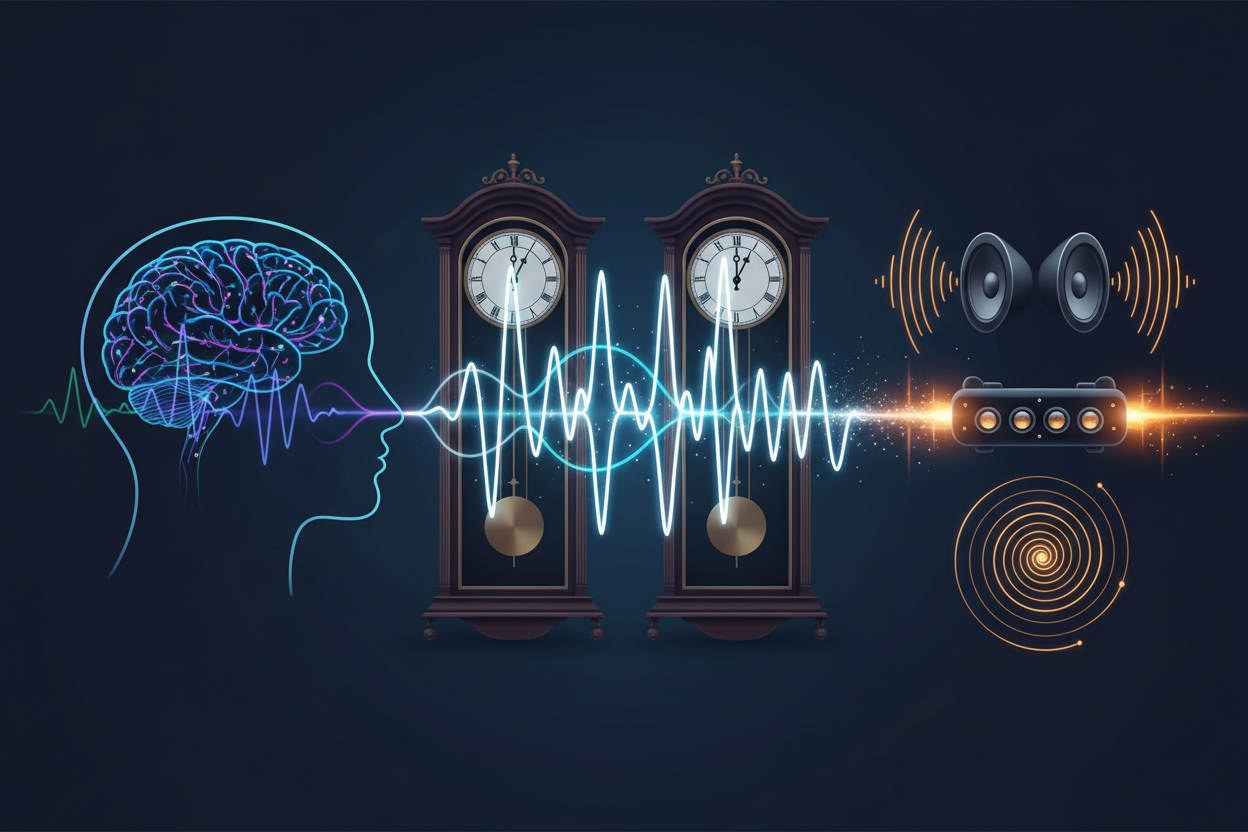
When you expose your brain to external stimuli that pulse at specific frequencies – whether through sound, light, or electromagnetic fields – something remarkable happens. Your brainwaves begin to synchronize with these external rhythms through a process called entrainment. It’s similar to how pendulum clocks in the same room eventually sync up with each other.
This synchronization isn’t just a curiosity; it’s a powerful tool for influencing your mental state. By carefully selecting the right frequencies, you can guide your brain toward states of deep relaxation, focused attention, or enhanced self-control – all crucial elements for overcoming addictive behaviors.
The Science Behind Phone and Social Media Addiction
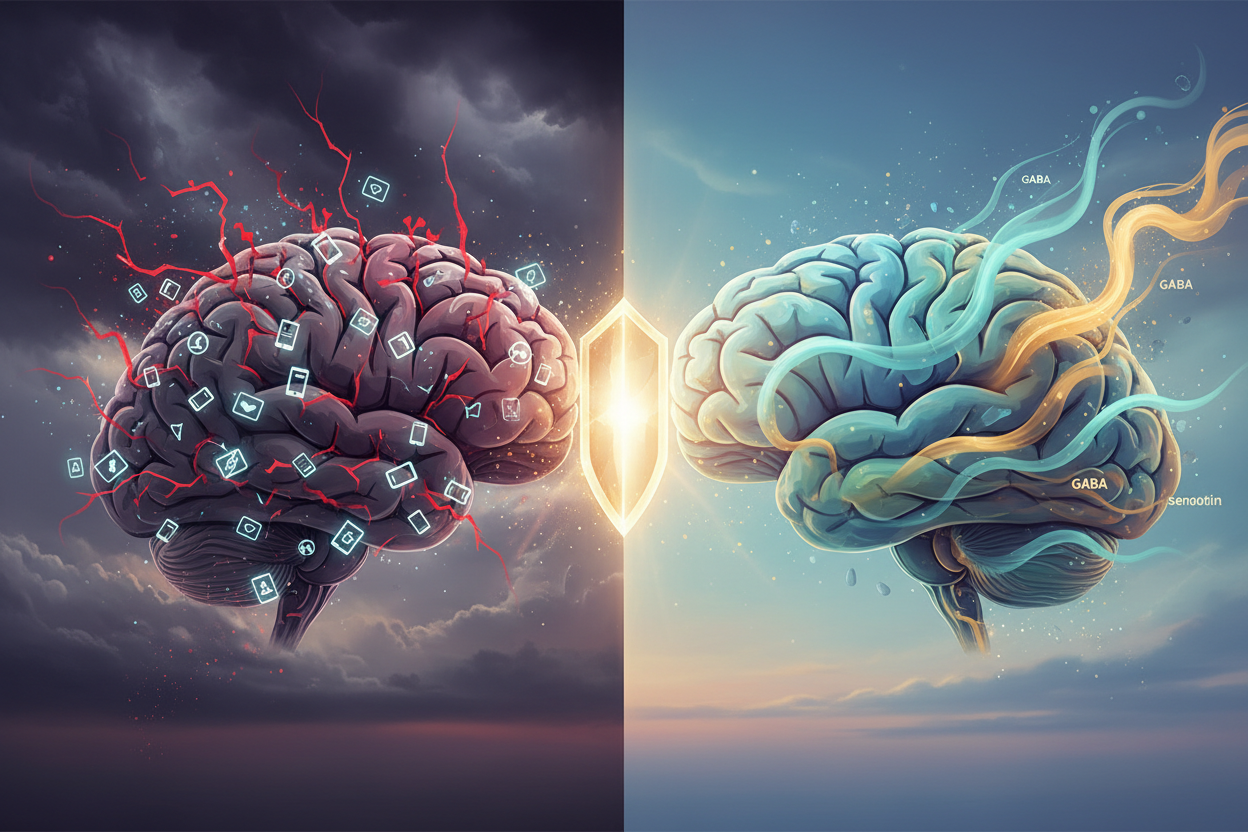
To understand how brainwave entrainment can help, we first need to grasp what’s happening in your brain when you’re caught in the grip of digital addiction. Every time you receive a notification or see a red badge on an app, your brain releases dopamine – the same neurotransmitter involved in substance addictions.
This creates what neuroscientists call a “variable ratio reinforcement schedule.” You never know when you’ll get that next rewarding piece of content, so your brain keeps you checking compulsively. It’s the same psychological mechanism that makes gambling so addictive.
Over time, this constant stimulation alters your brain’s reward pathways. Your baseline dopamine levels drop, making everyday activities feel less satisfying. You need increasingly frequent digital hits to feel normal, and when you try to stop, you experience genuine withdrawal symptoms: anxiety, restlessness, and an overwhelming urge to check your devices.
Research using neuroimaging has shown that people with internet addiction display similar brain changes to those seen in substance abuse disorders. The prefrontal cortex – responsible for impulse control and decision-making – shows decreased activity, while reward centers become hyperactive in response to digital stimuli.
How Brainwave Entrainment Can Help Break Digital Habits
Here’s where brainwave entrainment becomes your secret weapon against digital addiction. By targeting specific brainwave frequencies, you can address the underlying neurological patterns that keep you trapped in compulsive phone checking and social media scrolling.
The technique works on multiple levels. First, it helps restore balance to your brain’s reward system by promoting the production of neurotransmitters like GABA and serotonin, which naturally counteract the dopamine dysregulation caused by digital addiction. Second, it strengthens the prefrontal cortex’s ability to exert impulse control, making it easier to resist the urge to check your devices.
Perhaps most importantly, brainwave entrainment can help you achieve states of deep relaxation and mindfulness that make the constant stimulation of digital devices less appealing. When your nervous system is calm and balanced, you’re naturally less drawn to the artificial excitement of social media and smartphone notifications.
I’ve seen this transformation firsthand with clients who initially couldn’t imagine life without constant digital stimulation. After consistent brainwave entrainment practice, they report feeling more content with simple, offline activities and experiencing genuine peace during device-free periods.
Types of Brainwave Frequencies for Addiction Recovery
Different brainwave frequencies serve different purposes in overcoming digital addiction. Understanding these can help you choose the most effective entrainment protocols for your specific needs.
Alpha waves (8-13 Hz) are particularly valuable for addiction recovery. These frequencies promote a state of relaxed awareness and enhanced self-control. When your brain operates in the alpha range, you’re more likely to make conscious choices about device usage rather than acting on autopilot.
Theta waves (4-8 Hz) facilitate deep relaxation and emotional processing. Many people use digital devices to avoid uncomfortable emotions or thoughts. Theta entrainment helps you develop tolerance for these natural human experiences, reducing the need to escape into digital distractions.
Beta waves (13-30 Hz) support focused attention and cognitive control. However, excessive beta activity can contribute to anxiety and compulsive behaviors. Balanced beta entrainment can help you maintain healthy focus without the jittery overstimulation that drives addictive checking behaviors.
Delta waves (0.5-4 Hz) are crucial for restorative sleep. Since digital addiction often disrupts sleep patterns, delta entrainment can help restore healthy sleep cycles, which in turn supports overall recovery and impulse control during waking hours.
Practical Implementation: Getting Started with Brainwave Entrainment
Starting your brainwave entrainment journey doesn’t require expensive equipment or extensive technical knowledge. The most accessible method is binaural beats – audio tracks that play slightly different frequencies in each ear, causing your brain to perceive a third frequency equal to the difference between them.
Begin with 15-20 minute sessions using alpha frequency binaural beats (around 10 Hz) during times when you typically feel strong urges to check your devices. Many people find early morning or evening sessions particularly effective for setting a calm, controlled tone for the day or winding down from digital stimulation.
Consistency is more important than duration. Daily 15-minute sessions will produce better results than occasional hour-long sessions. Create a dedicated space for your practice – somewhere comfortable where you won’t be interrupted by notifications or other distractions.
High-quality headphones are essential for binaural beats to work effectively. The slight frequency differences between ears need to be precisely delivered, which isn’t possible with regular speakers or low-quality earbuds.
Start by tracking your baseline phone usage with built-in screen time tools before beginning entrainment practice. This gives you concrete data to measure your progress and helps maintain motivation as you see gradual improvements.
Creating a Comprehensive Digital Detox Plan
While brainwave entrainment is powerful, it works best as part of a comprehensive approach to digital wellness. Think of it as the neurological foundation that makes other strategies more effective.
Combine your entrainment practice with practical environmental changes. Remove social media apps from your phone’s home screen, turn off non-essential notifications, and establish phone-free zones in your bedroom and dining areas. These external modifications work synergistically with the internal changes promoted by brainwave entrainment.
Develop replacement activities for times when you typically reach for your phone. This might include reading physical books, practicing mindfulness meditation, engaging in creative hobbies, or spending time in nature. The key is having satisfying alternatives ready when the urge to scroll strikes.
Consider implementing “digital sabbaths” – regular periods of complete disconnection from devices. Start small with one-hour periods and gradually extend to half-days or full days. Use brainwave entrainment sessions before these periods to help your nervous system adjust to the absence of digital stimulation.
Success Stories and Real-World Results
The combination of brainwave entrainment and comprehensive digital wellness strategies has produced remarkable results for many people struggling with device addiction. Sarah, a marketing executive, reduced her daily phone usage from over 8 hours to less than 3 hours within six weeks of consistent alpha wave entrainment practice.
Mark, a college student who was failing classes due to social media distraction, reported significant improvements in focus and academic performance after incorporating theta wave sessions into his study routine. He found that the deep relaxation helped him process the anxiety that was driving his compulsive scrolling behavior.
These aren’t isolated cases. Research studies have shown that regular brainwave entrainment practice can improve impulse control, reduce anxiety, and enhance overall emotional regulation – all crucial factors in overcoming behavioral addictions.
What’s particularly encouraging is that the benefits often extend beyond digital wellness. Many people report improved sleep quality, better relationships, increased creativity, and greater life satisfaction as they break free from the constant pull of their devices.
Potential Challenges and How to Overcome Them
Like any meaningful change, using brainwave entrainment to overcome digital addiction comes with challenges. The most common obstacle is consistency – it’s easy to skip sessions when you’re feeling stressed or busy, which are precisely the times when you most need the support.
Some people initially feel restless or anxious during entrainment sessions, especially if they’re accustomed to constant digital stimulation. This is normal and typically subsides within a week or two of regular practice. Start with shorter sessions and gradually increase duration as your nervous system adapts.
Others worry that they’re not “doing it right” because they don’t feel immediate dramatic effects. Brainwave entrainment works gradually, creating subtle but cumulative changes in your neural patterns. Trust the process and focus on small improvements rather than expecting overnight transformation.
Technical issues can also be frustrating. Ensure you have reliable audio equipment and a quiet environment for sessions. If you’re using smartphone apps for entrainment, put your device in airplane mode to avoid interruptions – there’s nothing quite like a notification disrupting your digital detox session!
Conclusion: Reclaiming Your Mental Freedom
Breaking free from phone and social media addiction isn’t about returning to a pre-digital world – that’s neither realistic nor necessary. Instead, it’s about developing a healthy, conscious relationship with technology where you control your devices rather than letting them control you.
Brainwave entrainment offers a unique advantage in this journey because it addresses the neurological roots of addictive behavior rather than relying solely on willpower and environmental changes. By literally retraining your brain’s response patterns, you create lasting change that makes healthy digital habits feel natural and sustainable.
The path isn’t always easy, and there will be setbacks along the way. But with consistent practice, patience, and the right tools, you can reclaim your attention, improve your relationships, and rediscover the joy of being fully present in your own life.
Remember, every moment you spend in conscious awareness rather than mindless scrolling is a victory. Your brain is remarkably adaptable, and with the support of brainwave entrainment, you can reshape your neural pathways to support the life you truly want to live.
Frequently Asked Questions
How long does it take to see results from brainwave entrainment for digital addiction?
Most people begin noticing subtle changes within 1-2 weeks of daily practice, with more significant improvements becoming apparent after 4-6 weeks. However, individual results vary based on factors like addiction severity, consistency of practice, and overall lifestyle changes.
Is brainwave entrainment safe for everyone?
Brainwave entrainment is generally safe for most people. However, individuals with epilepsy, seizure disorders, or serious mental health conditions should consult healthcare providers before beginning any entrainment practice. Pregnant women should also seek medical advice first.
Can I use brainwave entrainment while doing other activities?
For maximum effectiveness, it’s best to use brainwave entrainment during dedicated sessions where you can relax and focus solely on the experience. However, some people find gentle background entrainment helpful during activities like reading or light work.
What’s the difference between binaural beats and other forms of brainwave entrainment?
Binaural beats use slightly different audio frequencies in each ear to create the entrainment effect. Other methods include isochronic tones (single-frequency pulses), monaural beats (combined frequencies), and light-based entrainment. Binaural beats are popular because they’re accessible and well-researched.
Do I need expensive equipment for brainwave entrainment?
Basic binaural beat entrainment only requires good-quality headphones and access to audio tracks (many free options are available online). More advanced systems exist, but they’re not necessary for effective practice, especially when starting out.
Can brainwave entrainment replace other addiction treatment methods?
Brainwave entrainment works best as part of a comprehensive approach that may include therapy, support groups, lifestyle changes, and other evidence-based treatments. While powerful on its own, it’s most effective when combined with other strategies for overcoming addictive behaviors.