
How Temperature Changes Affect Brainwave Entrainment Effectiveness
Table of Contents
1. Introduction to Brainwave Entrainment and Temperature
2. The Science Behind Brainwave Entrainment
3. How Body Temperature Influences Brain Function
4. Optimal Temperature Ranges for Different Brainwave States
5. Seasonal Temperature Effects on Entrainment Success
6. Creating the Perfect Environment for Brainwave Entrainment
7. Practical Tips for Temperature Management
8. Common Temperature-Related Challenges
9. Conclusion
10. Frequently Asked Questions
Introduction to Brainwave Entrainment and Temperature
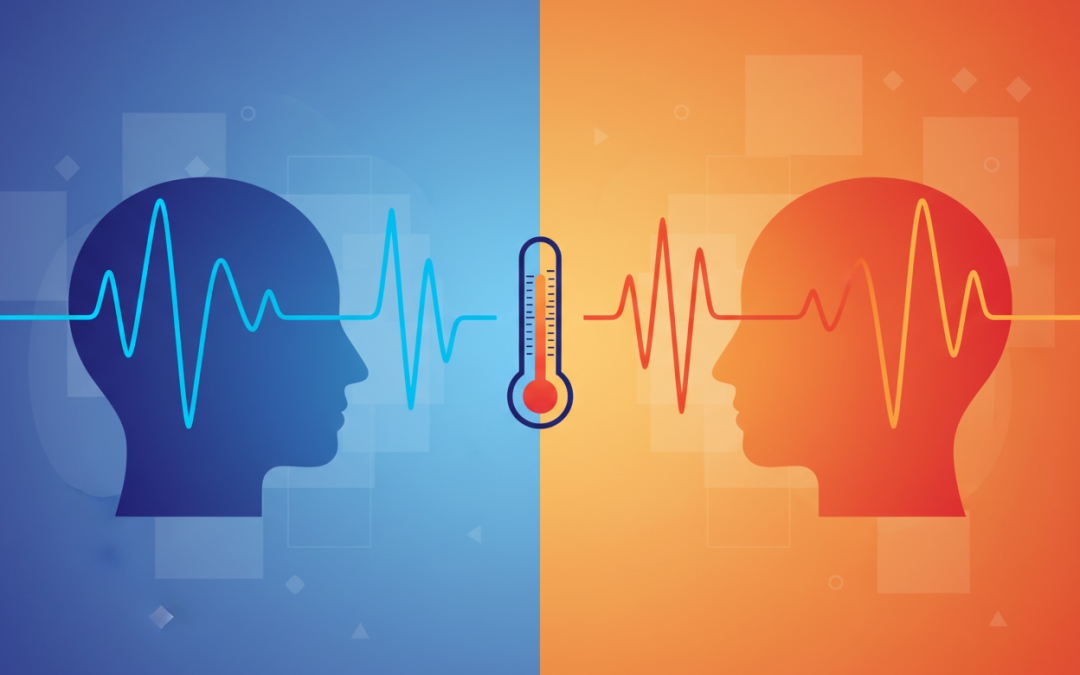
Have you ever noticed how your mental clarity seems sharper on a crisp autumn morning or how drowsy you feel in an overheated room? The connection between temperature and cognitive performance isn’t just in your imagination. When it comes to brainwave entrainment, the ambient temperature and your body’s thermal state play surprisingly crucial roles in determining how effectively your brain synchronizes with external stimuli.
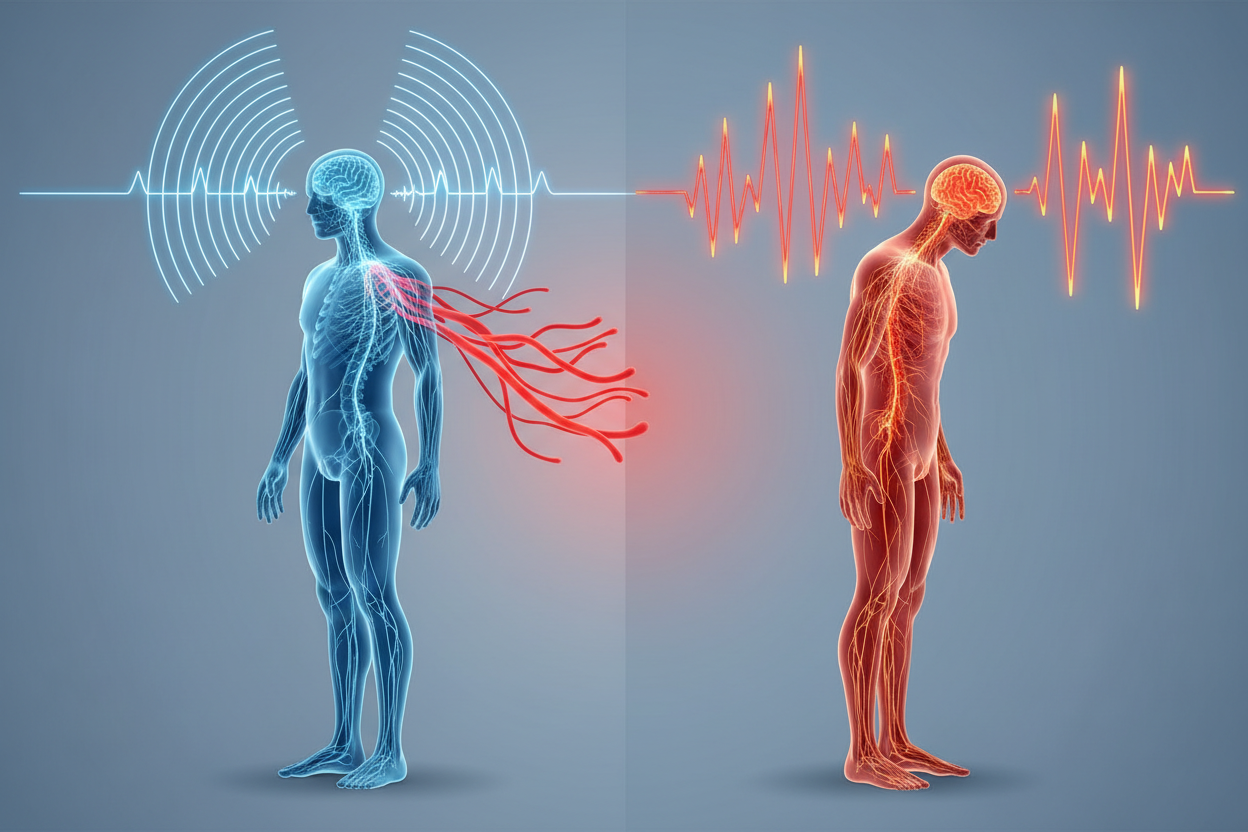
Brainwave entrainment, the practice of using rhythmic stimuli like binaural beats or light pulses to influence brainwave patterns, has gained significant attention in recent years. However, many practitioners overlook one of the most fundamental environmental factors that can make or break their sessions: temperature. Understanding this relationship can transform your entrainment practice from hit-or-miss to consistently effective.
In this comprehensive guide, we’ll explore the fascinating interplay between temperature changes and brainwave entrainment effectiveness, providing you with actionable insights to optimize your practice regardless of the season or setting.
The Science Behind Brainwave Entrainment
Before diving into temperature effects, let’s establish what brainwave entrainment actually involves. Your brain naturally produces electrical activity that can be measured as brainwaves, typically categorized into five main frequency ranges: Delta (0.5-4 Hz), Theta (4-8 Hz), Alpha (8-13 Hz), Beta (13-30 Hz), and Gamma (30-100 Hz).
Brainwave entrainment works on the principle of frequency following response, where your brain gradually synchronizes its dominant frequency with an external rhythmic stimulus. This process isn’t instantaneous – it typically takes 6-8 minutes for your brain to begin matching the target frequency, and full entrainment can require 15-20 minutes or more.
What makes this process particularly interesting is how sensitive it is to physiological conditions. Your brain’s ability to entrain effectively depends on numerous factors, including stress levels, fatigue, attention, and yes – body temperature. The neural pathways responsible for processing rhythmic stimuli operate within specific optimal ranges, and temperature fluctuations can either enhance or impair their function.
How Body Temperature Influences Brain Function
Your brain is essentially a biological computer that operates within narrow thermal parameters. Core body temperature typically ranges between 97°F and 99°F (36.1°C to 37.2°C), and even small deviations from this range can significantly impact cognitive performance and neural synchronization.
When your body temperature rises above optimal levels, several things happen that affect brainwave entrainment. Blood flow increases to the skin for cooling, potentially reducing circulation to the brain. Neural transmission speeds can become erratic, making it harder for your brain to maintain steady synchronization with external stimuli. You might also experience decreased attention and increased mental fatigue, both of which are essential for effective entrainment.
Conversely, when body temperature drops too low, your brain enters a conservation mode. Blood flow to extremities decreases, and your nervous system becomes less responsive to subtle stimuli. This can make it challenging for your brain to detect and follow the rhythmic patterns used in entrainment protocols.
The sweet spot appears to be when your body temperature is at its natural baseline, with ambient conditions that don’t force your thermoregulatory system to work overtime. This allows your brain to dedicate maximum resources to the entrainment process rather than temperature regulation.
Optimal Temperature Ranges for Different Brainwave States
Interestingly, different brainwave states seem to have varying temperature preferences for optimal entrainment. Through research and practitioner observations, several patterns have emerged that can guide your temperature management strategy.
For Delta wave entrainment (deep sleep and healing states), slightly cooler temperatures around 65-68°F (18-20°C) appear most effective. This mimics the natural temperature drop that occurs during deep sleep phases, helping your body recognize and enter these restorative states more easily. Many practitioners report improved success with Delta entrainment when using cooling techniques before and during sessions.
Theta wave entrainment (meditation and creative states) seems to work best at moderate temperatures around 68-72°F (20-22°C). This range allows for relaxation without inducing sleepiness, maintaining the alert-but-relaxed state that characterizes optimal Theta activity. The temperature should be comfortable enough that you’re not distracted by thermal sensations.
Alpha wave entrainment (relaxed awareness and light meditation) thrives in the 70-74°F (21-23°C) range. This slightly warmer temperature supports the calm alertness associated with Alpha states while preventing the drowsiness that can occur in cooler conditions.
Beta wave entrainment (focused attention and active thinking) often works best at 72-76°F (22-24°C). This range supports mental alertness and concentration without causing the agitation that excessive heat can trigger. However, individual preferences vary significantly for Beta entrainment, as some people focus better in cooler environments.
Seasonal Temperature Effects on Entrainment Success
The changing seasons bring unique challenges and opportunities for brainwave entrainment practitioners. Understanding these patterns can help you adjust your approach throughout the year for consistent results.
Winter months often provide excellent conditions for Delta and Theta entrainment due to naturally cooler ambient temperatures. However, the lack of natural light and potential for seasonal affective symptoms can make Alpha and Beta entrainment more challenging. Many practitioners find they need longer warm-up periods and may benefit from combining entrainment with light therapy during winter months.
Spring temperatures are often ideal for most types of entrainment, as the moderate conditions require minimal thermal regulation from your body. This is frequently when practitioners report their most consistent and effective sessions across all brainwave frequencies.
Summer heat presents the biggest challenges for entrainment practice. High temperatures and humidity can make it difficult to achieve any brainwave state effectively. The body’s cooling efforts can be so demanding that little neural energy remains for entrainment. Air conditioning becomes crucial, but be careful not to create too dramatic a temperature differential that might cause thermal shock.
Fall conditions, like spring, often provide excellent entrainment weather. The gradual cooling can actually enhance Delta and Theta practices, while still maintaining enough warmth for effective Alpha and Beta sessions.
Creating the Perfect Environment for Brainwave Entrainment
Optimizing your entrainment environment goes beyond just setting a thermostat. The most effective practitioners create comprehensive thermal environments that support their specific goals and personal thermal preferences.
Start by identifying your personal thermal comfort zone. This varies significantly between individuals and can be influenced by factors like body composition, fitness level, and even genetics. Spend time noting which temperatures feel most conducive to different mental states in your daily life. You might find you think most clearly at 68°F but relax best at 72°F.
Consider the thermal mass of your entrainment space. Rooms with lots of concrete, stone, or metal will feel cooler and take longer to warm up. Carpeted rooms with wood furnishings will feel warmer and respond more quickly to temperature changes. This affects not just the ambient temperature but also how stable that temperature remains during your session.
Humidity plays a crucial supporting role in thermal comfort. High humidity makes any temperature feel warmer and can interfere with your body’s cooling mechanisms. Low humidity can make you feel cooler but might cause dry mouth or nasal passages that become distracting. Aim for humidity levels between 40-60% for optimal comfort during entrainment sessions.
Air circulation is another often-overlooked factor. Stagnant air can feel warmer and stuffier, even at the correct temperature. A gentle fan or air circulation system can make the same temperature feel more comfortable and conducive to sustained attention during longer entrainment sessions.
Practical Tips for Temperature Management
Managing temperature for optimal entrainment doesn’t require expensive equipment or major home modifications. Simple, practical strategies can make a significant difference in your success rate.
Timing your sessions strategically can leverage natural temperature fluctuations. Early morning sessions often benefit from the naturally cooler temperatures that occur after nighttime cooling. Late evening sessions might work well for Delta entrainment as your body temperature naturally begins to drop in preparation for sleep.
Layered clothing provides flexible temperature control during sessions. Start with light, breathable layers that you can easily adjust without disrupting your entrainment. Natural fibers like cotton and wool regulate temperature better than synthetic materials, which can trap heat and moisture.
Pre-cooling or pre-warming techniques can help establish optimal body temperature before beginning entrainment. A cool shower before Delta or Theta sessions, or light physical activity before Beta sessions, can help establish the right thermal starting point. Just avoid extreme temperature changes that might shock your system.
Consider using temperature-regulating accessories like cooling towels, heated blankets, or even simple hot water bottles. These allow for localized temperature adjustment without changing the entire room environment, which can be especially useful if you share your space with others.
Common Temperature-Related Challenges
Even with careful planning, temperature-related challenges can arise during entrainment practice. Recognizing and addressing these issues quickly can save a session from being ineffective.
Thermal drift is one of the most common problems. You might start a session at the perfect temperature, but as your body relaxes and your metabolism slows, you begin to feel cold. Alternatively, as you focus intensely during Beta entrainment, your body heat might increase. Having adjustment strategies ready, like a nearby blanket or fan, can help you respond without breaking concentration.
Temperature shock from entering a dramatically different thermal environment can disrupt your nervous system for 10-15 minutes or more. If you’re coming from outdoors in extreme weather, allow time to acclimatize before beginning entrainment. Your body needs time to stabilize its thermal regulation before it can effectively focus on brainwave synchronization.
Individual variation means that general temperature guidelines might not work for everyone. Some people naturally run hot or cold, and medical conditions, medications, or hormonal changes can affect thermal comfort. Pay attention to your personal patterns and be willing to experiment with different temperature ranges to find what works best for you.
Equipment heat can also be a factor, especially if you’re using headphones or other devices during entrainment. Some electronic devices generate heat during use, which can gradually warm your head and neck area. Look for well-ventilated equipment or take breaks during longer sessions to prevent overheating.
Conclusion
The relationship between temperature and brainwave entrainment effectiveness is both scientifically fascinating and practically important. By understanding how thermal conditions influence your brain’s ability to synchronize with external stimuli, you can significantly improve the consistency and effectiveness of your entrainment practice.
Remember that optimal temperature isn’t just about the number on the thermostat – it’s about creating a complete thermal environment that supports your specific goals and personal physiology. Whether you’re seeking the deep relaxation of Theta states or the focused attention of Beta frequencies, paying attention to temperature can be the difference between a mediocre session and a transformative experience.
Start by experimenting with the temperature ranges suggested for different brainwave states, but don’t be afraid to adjust based on your personal responses. Keep a simple log of temperature conditions and entrainment effectiveness to identify your optimal ranges. With time and attention, you’ll develop an intuitive sense of the thermal conditions that support your best entrainment experiences.
The investment in understanding and optimizing temperature for brainwave entrainment pays dividends in more effective sessions, better outcomes, and a deeper appreciation for the subtle factors that influence consciousness and neural function. Your brain will thank you for creating the perfect thermal environment for its synchronization journey.
Frequently Asked Questions
Q: What’s the ideal room temperature for beginners starting brainwave entrainment?
A: For beginners, start with 70-72°F (21-22°C) as a baseline. This moderate temperature works reasonably well for most brainwave frequencies and allows you to experiment and adjust based on your personal responses without starting from an extreme.
Q: Can I use brainwave entrainment effectively in hot weather without air conditioning?
A: Yes, but you’ll need to be creative. Try early morning or late evening sessions when temperatures are cooler, use fans for air circulation, wear minimal breathable clothing, and consider cooling techniques like damp towels. Focus on shorter sessions and lower-frequency brainwaves like Alpha and Theta, which are less sensitive to heat.
Q: How long should I wait after changing room temperature before starting entrainment?
A: Allow 10-15 minutes for your body to adjust to significant temperature changes. Your thermoregulatory system needs time to stabilize before your brain can effectively focus on entrainment. Use this time for breathing exercises or gentle preparation activities.
Q: Do children and elderly individuals have different temperature needs for entrainment?
A: Yes, both groups tend to be more sensitive to temperature extremes. Children often prefer slightly warmer conditions (2-3°F higher), while elderly individuals may need more stable temperatures with less variation. Both groups benefit from gradual temperature changes and careful monitoring during sessions.
Q: Can wearing headphones affect my thermal comfort during entrainment?
A: Absolutely. Headphones can trap heat around your ears and head, making you feel warmer than the actual room temperature. Look for well-ventilated headphone designs, take breaks during longer sessions, or consider using speakers instead of headphones when possible.
Q: Should I adjust temperature during a session if I become uncomfortable?
A: Minor adjustments are fine and often necessary, but try to make them smoothly without breaking your focus. Having temperature controls within easy reach or using layers you can easily add or remove helps maintain entrainment while staying comfortable.