
The Role of Brainwaves in Phantom Pain and Chronic Illness Management
Table of Contents
1. Introduction to Brainwaves and Pain Perception
2. Understanding Phantom Pain: When the Mind Creates Reality
3. The Science Behind Brainwave Patterns
4. How Brainwaves Influence Chronic Pain
5. Brainwave-Based Treatment Approaches
6. Real-World Applications and Success Stories
7. The Future of Brainwave Therapy in Pain Management
8. Frequently Asked Questions
9. Conclusion
Introduction to Brainwaves and Pain Perception
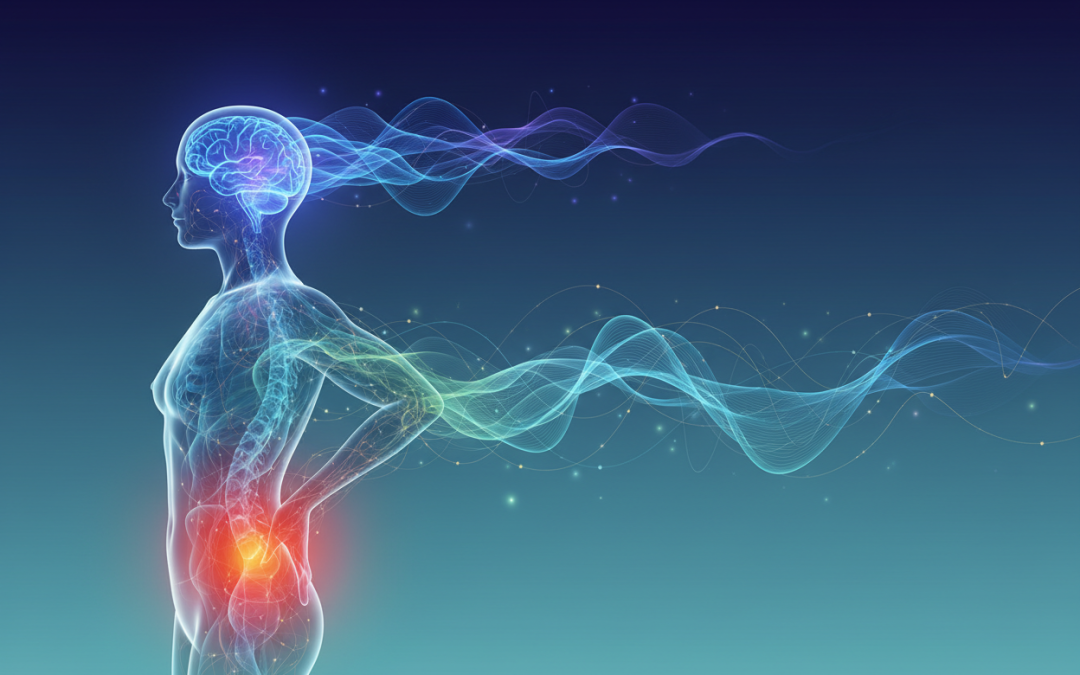
Imagine feeling intense pain in a limb that no longer exists, or experiencing chronic discomfort that seems to have no physical cause. For millions of people worldwide, this isn’t imagination—it’s daily reality. The fascinating connection between our brain’s electrical activity and pain perception has opened new doors in understanding and treating conditions like phantom pain and chronic illness.
Our brains are essentially sophisticated electrical networks, constantly generating rhythmic patterns of activity called brainwaves. These neural oscillations don’t just control our thoughts and emotions; they play a crucial role in how we experience pain. Recent research has revealed that by understanding and potentially modifying these brainwave patterns, we might hold the key to more effective pain management strategies.
This exploration into the relationship between brainwaves and pain isn’t just academic curiosity—it represents hope for countless individuals who’ve exhausted traditional treatment options. As someone who has witnessed the transformative potential of neurofeedback and brainwave therapy firsthand, I can tell you that we’re standing at the threshold of a new era in pain management.
Understanding Phantom Pain: When the Mind Creates Reality
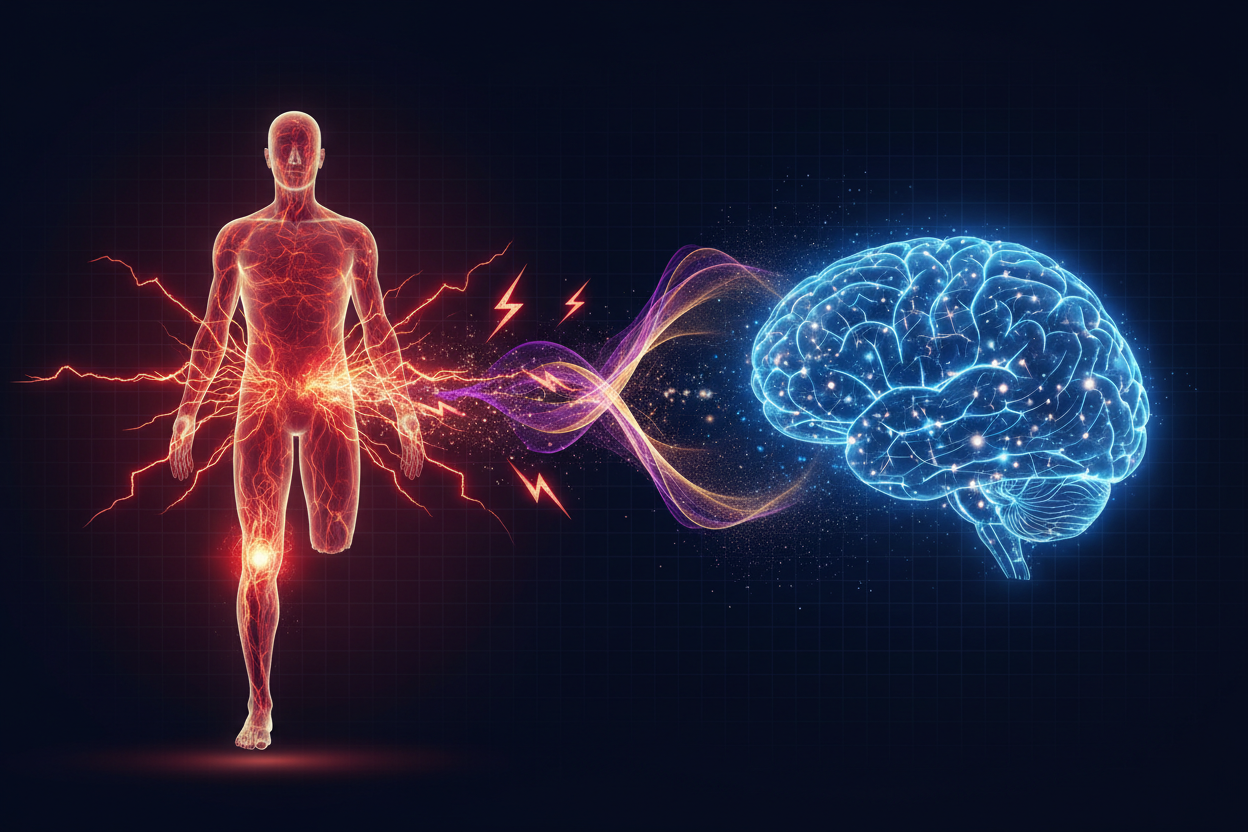
Phantom pain presents one of medicine’s most perplexing challenges. After amputation or nerve damage, patients often continue experiencing vivid sensations in the missing or damaged body part. These aren’t mild tingles or occasional discomfort—many describe excruciating pain that feels absolutely real because, to the brain, it is real.
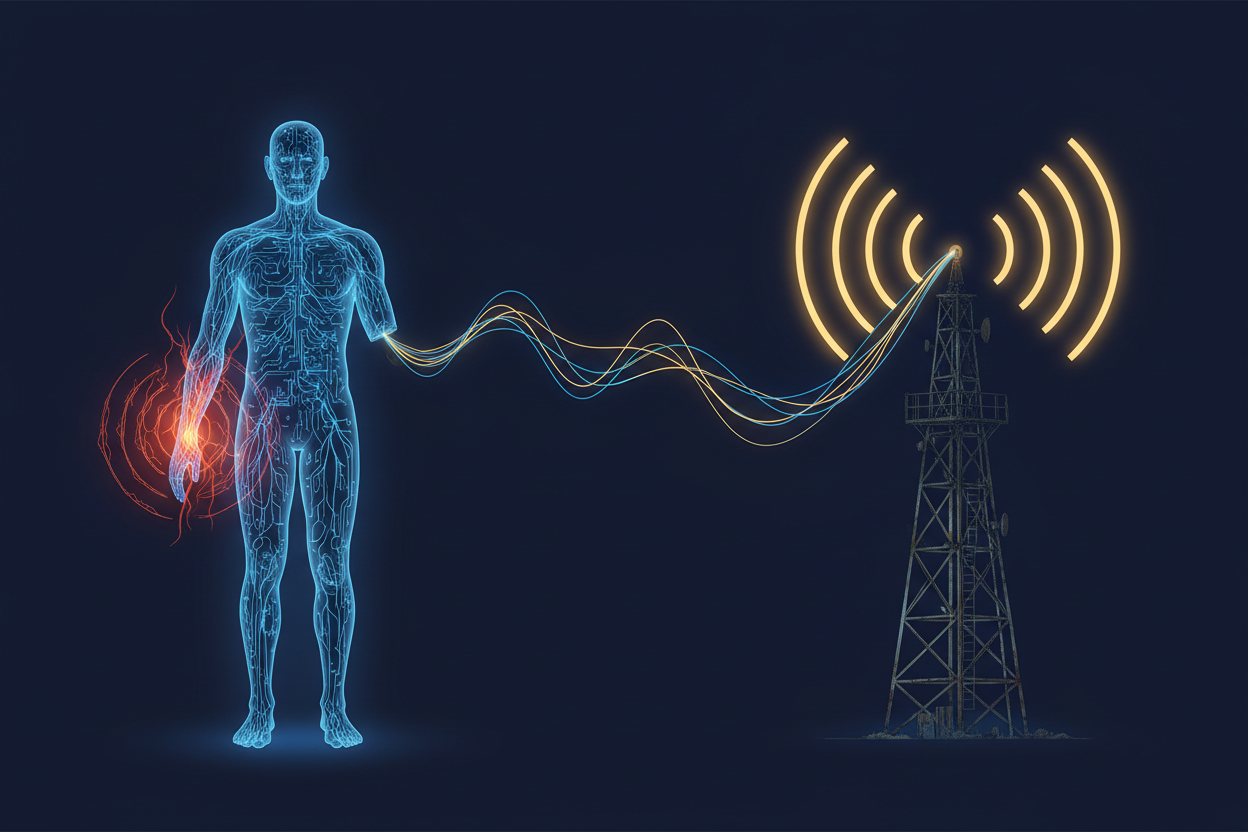
The phenomenon occurs because our brains create detailed maps of our bodies, and when a limb is removed, the neural pathways don’t simply disappear overnight. Instead, they can become hyperactive, sending pain signals that the conscious mind interprets as coming from the missing limb. It’s like having a phantom radio station that keeps broadcasting even after the transmitter has been removed.
Traditional pain medications often fall short in treating phantom pain because they target physical sources of discomfort. However, since phantom pain originates in the brain’s electrical activity, addressing the underlying brainwave patterns offers a more targeted approach. This is where the intersection of neuroscience and pain management becomes particularly exciting.
The Science Behind Brainwave Patterns
To understand how brainwaves affect pain, we need to dive into the electrical symphony playing in our heads every moment. Our brains produce five main types of brainwaves, each associated with different states of consciousness and bodily functions.
Delta waves (0.5-4 Hz) dominate during deep sleep and healing processes. Beta waves (13-30 Hz) are prominent during active, alert states. Alpha waves (8-13 Hz) appear during relaxed awareness, while theta waves (4-8 Hz) emerge during meditation and light sleep. Gamma waves (30-100 Hz) are linked to high-level cognitive processing and consciousness.
Research has shown that chronic pain sufferers often exhibit distinctive brainwave patterns. They typically show increased beta activity in pain-processing regions of the brain, along with disrupted alpha rhythms that normally help regulate pain perception. Think of it as having a car alarm that won’t turn off—the brain’s pain circuits become stuck in an “on” position.
What’s particularly fascinating is that these abnormal brainwave patterns aren’t just consequences of chronic pain—they can actually perpetuate and amplify the pain experience. This creates a vicious cycle where pain changes brainwaves, which in turn intensify the pain sensation.
How Brainwaves Influence Chronic Pain
The relationship between brainwaves and chronic pain extends far beyond phantom limb syndrome. Conditions like fibromyalgia, chronic fatigue syndrome, and neuropathic pain all show characteristic brainwave abnormalities that contribute to symptom severity and persistence.
In fibromyalgia patients, researchers have observed reduced alpha wave activity, which normally helps filter and modulate sensory input. Without adequate alpha wave production, the brain becomes hypersensitive to stimuli that wouldn’t typically cause discomfort. It’s like removing the volume control from your pain perception system—everything becomes amplified and overwhelming.
Chronic fatigue syndrome patients often display disrupted sleep-related brainwave patterns, particularly in delta wave production during deep sleep stages. Since deep sleep is crucial for physical recovery and pain regulation, this disruption creates a cascade of problems that extend far beyond simple tiredness.
The thalamus, often called the brain’s “relay station,” plays a crucial role in this process. This region helps determine which sensory signals reach conscious awareness and which get filtered out. When thalamic brainwave patterns become dysregulated, the normal pain filtering mechanisms break down, leading to chronic pain conditions that seem to have no clear physical cause.
Brainwave-Based Treatment Approaches
Understanding the role of brainwaves in pain perception has led to innovative treatment approaches that target the source rather than just masking symptoms. These therapies work by training the brain to produce more beneficial brainwave patterns while reducing problematic ones.
Neurofeedback therapy represents one of the most promising approaches. During sessions, patients watch their real-time brainwave activity displayed on a screen and learn to consciously influence their neural patterns. It’s remarkably similar to learning to ride a bicycle—initially challenging, but eventually becoming second nature. Many patients report significant pain reduction after consistent neurofeedback training.
Transcranial magnetic stimulation (TMS) offers another avenue for brainwave modification. This non-invasive technique uses magnetic fields to stimulate specific brain regions, potentially normalizing aberrant brainwave patterns associated with chronic pain. The precision of modern TMS equipment allows practitioners to target very specific neural circuits involved in pain processing.
Meditation and mindfulness practices, while ancient in origin, are now understood to work partly through brainwave modification. Regular meditation increases alpha wave production and promotes more balanced neural activity. Many chronic pain sufferers find that consistent meditation practice provides relief comparable to pharmaceutical interventions, but without side effects.
Real-World Applications and Success Stories
The practical applications of brainwave-based pain management are already showing remarkable results in clinical settings. At specialized pain clinics around the world, patients who had exhausted traditional treatment options are finding relief through targeted brainwave therapies.
Take Sarah, a 45-year-old teacher who developed severe phantom pain after losing her right arm in an accident. Traditional pain medications provided minimal relief and left her feeling foggy and disconnected. After twelve weeks of neurofeedback training focused on normalizing her brain’s pain-processing patterns, she reported a 70% reduction in phantom pain intensity. More importantly, she regained her sense of mental clarity and emotional well-being.
Veterans with traumatic brain injuries and chronic pain have shown particularly encouraging responses to brainwave-based interventions. The combination of PTSD and chronic pain creates complex neural dysregulation that traditional approaches often struggle to address effectively. However, protocols that simultaneously target trauma-related brainwave patterns and pain-processing circuits have produced significant improvements in both conditions.
Pediatric applications are also showing promise. Children with chronic pain conditions often respond more quickly to brainwave training than adults, possibly because their neural plasticity allows for faster adaptation. Gaming-based neurofeedback systems make the treatment engaging for younger patients while providing the same therapeutic benefits.
The Future of Brainwave Therapy in Pain Management
The field of brainwave-based pain management is evolving rapidly, with new technologies and approaches emerging regularly. Portable EEG devices are making neurofeedback training more accessible, allowing patients to continue therapy at home between clinical sessions.
Artificial intelligence is beginning to play a significant role in optimizing treatment protocols. Machine learning algorithms can analyze individual brainwave patterns and predict which specific interventions are most likely to be effective for each patient. This personalized approach promises to make treatments more efficient and successful.
Virtual reality integration represents another exciting frontier. Combining immersive VR experiences with real-time brainwave monitoring creates powerful therapeutic environments where patients can practice pain management techniques in controlled, engaging settings. Imagine learning to modulate your pain response while exploring a peaceful virtual forest or participating in an interactive game designed specifically for your neural patterns.
Research into closed-loop systems—devices that automatically adjust stimulation based on real-time brainwave feedback—could revolutionize treatment delivery. These systems would provide continuous, personalized therapy without requiring conscious effort from the patient, potentially offering 24/7 pain management support.
Frequently Asked Questions
Q: How long does it typically take to see results from brainwave-based pain treatments?
A: Results vary significantly between individuals, but most people begin noticing improvements within 4-8 weeks of consistent treatment. Some experience relief after just a few sessions, while others may need several months of training to achieve optimal results. The key is consistency and patience with the learning process.
Q: Are brainwave therapies safe for everyone with chronic pain?
A: Generally, yes. Neurofeedback and similar approaches are non-invasive and have minimal side effects. However, people with certain neurological conditions or those taking specific medications should consult with healthcare providers before beginning treatment. Pregnant women and individuals with implanted medical devices may need special considerations.
Q: Can brainwave therapy replace traditional pain medications?
A: While many patients reduce their medication dependence through brainwave training, it’s important to work with healthcare providers when making any changes to medication regimens. Brainwave therapy often works best as part of a comprehensive pain management approach rather than a complete replacement for all other treatments.
Q: How much does brainwave-based pain treatment cost?
A: Costs vary widely depending on location, provider, and treatment type. Initial assessments typically range from $200-500, with individual sessions costing $75-200. Some insurance plans are beginning to cover neurofeedback for certain conditions, and home-based systems can reduce long-term costs significantly.
Q: What’s the difference between neurofeedback and meditation for pain management?
A: Both approaches can modify brainwave patterns, but neurofeedback provides real-time visual feedback about brain activity, making it easier for some people to learn conscious control. Meditation requires more self-directed practice but can be done anywhere without equipment. Many patients find combining both approaches most effective.
Conclusion
The relationship between brainwaves and pain perception represents a fundamental shift in how we understand and treat chronic pain conditions. Rather than simply masking symptoms, brainwave-based approaches address the underlying neural patterns that create and maintain pain experiences.
For individuals struggling with phantom pain, fibromyalgia, chronic fatigue syndrome, and other persistent pain conditions, these emerging therapies offer genuine hope for long-term relief. The beauty of brainwave training lies not just in its effectiveness, but in its ability to empower patients to take an active role in their healing process.
As technology continues advancing and our understanding of neural mechanisms deepens, we can expect even more sophisticated and effective brainwave-based treatments to emerge. The future of pain management is moving away from a one-size-fits-all approach toward personalized, precise interventions that work with the brain’s natural healing capabilities.
If you’re living with chronic pain that hasn’t responded well to traditional treatments, exploring brainwave-based therapies could open new possibilities for relief and recovery. While these approaches require patience and commitment, they offer the potential for lasting change rather than temporary symptom management. The electrical symphony in your brain holds remarkable power—learning to conduct that symphony might just be the key to reclaiming your life from chronic pain.