
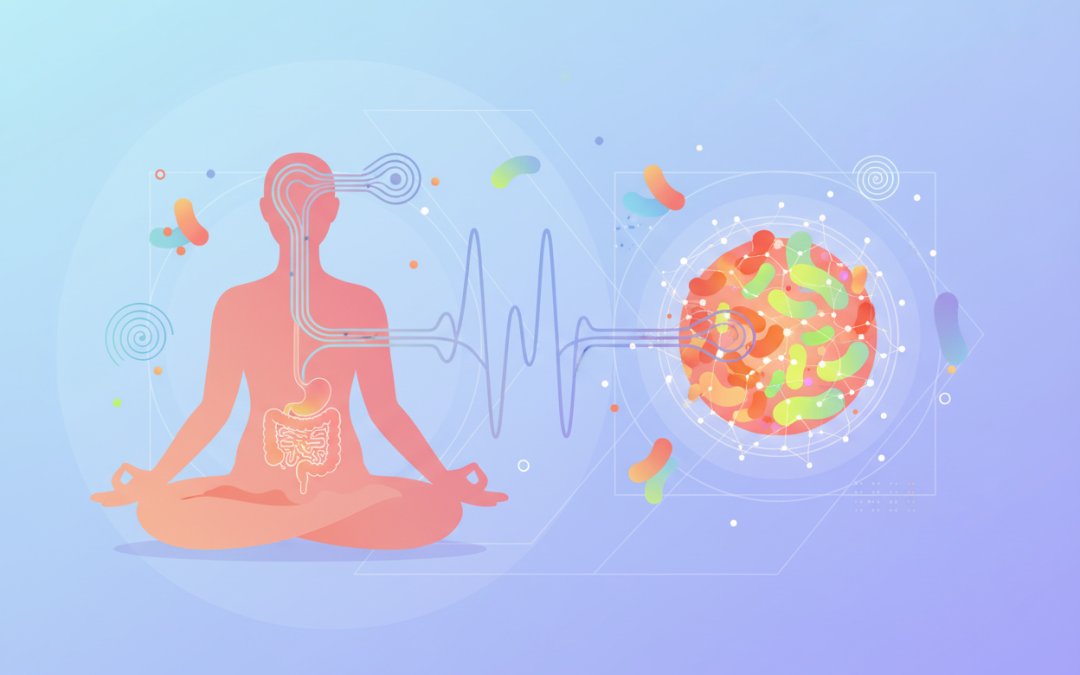
How Brainwave Entrainment Affects Your Microbiome and Gut Health
Table of Contents
1. Introduction: The Mind-Gut Connection
2. Understanding Brainwave Entrainment
3. The Gut-Brain Axis: Your Second Brain
4. How Brainwave Entrainment Influences Your Microbiome
5. The Vagus Nerve: The Highway Between Brain and Gut
6. Scientific Evidence: What Research Reveals
7. Practical Applications for Better Gut Health
8. Types of Brainwave Entrainment for Digestive Wellness
9. Getting Started: Your Journey to Better Gut Health
10. Conclusion: Harmonizing Mind and Microbiome
11. Frequently Asked Questions
Introduction: The Mind-Gut Connection
Have you ever noticed how stress makes your stomach churn, or how a “gut feeling” seems to guide your decisions? There’s actual science behind these experiences, and it’s more fascinating than you might imagine. The relationship between our brain and digestive system runs deeper than we ever thought possible, extending all the way down to the microscopic level of our gut bacteria.
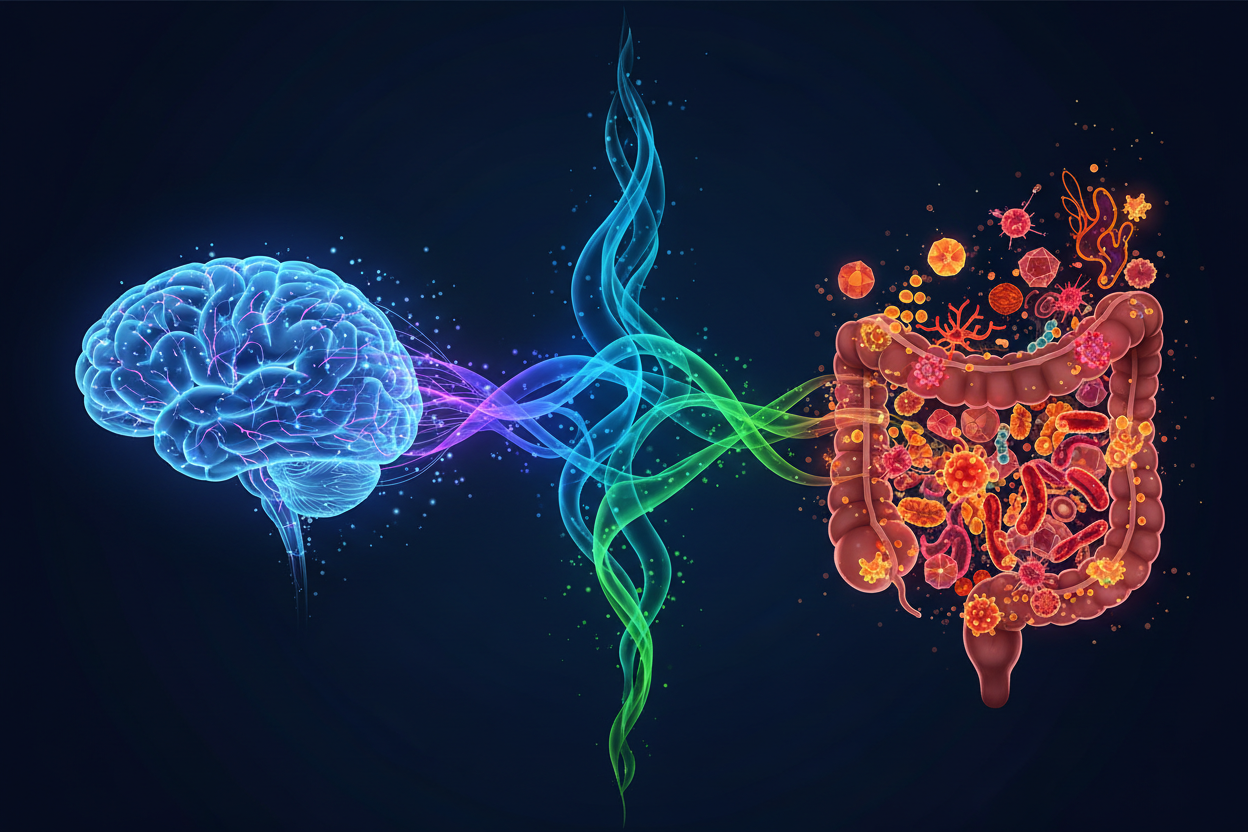
Today, we’re exploring an intriguing frontier where neuroscience meets gastroenterology: how brainwave entrainment can influence your microbiome and overall gut health. This isn’t just another wellness trend – it’s a scientifically-backed approach that could revolutionize how we think about digestive health and mental wellbeing.
As someone who’s spent years researching the intersection of technology and human health, I’ve witnessed firsthand how emerging therapies like brainwave entrainment are opening new doors to healing. Let’s dive into this remarkable connection between your brain waves and the trillions of microorganisms living in your digestive tract.
Understanding Brainwave Entrainment
Brainwave entrainment might sound like science fiction, but it’s actually a well-established neurological phenomenon. Simply put, it’s the brain’s natural tendency to synchronize its electrical activity with external rhythmic stimuli. Think of it like a metronome for your mind – when exposed to specific frequencies of light, sound, or electromagnetic pulses, your brain naturally aligns its wave patterns to match.
Your brain operates on different frequencies throughout the day. Delta waves (0.5-4 Hz) dominate during deep sleep, theta waves (4-8 Hz) appear during meditation and creativity, alpha waves (8-13 Hz) emerge during relaxed awareness, and beta waves (13-30 Hz) characterize active, focused thinking. Gamma waves (30-100 Hz) are associated with heightened consciousness and cognitive processing.
Modern brainwave entrainment devices use binaural beats, isochronic tones, or light therapy to guide your brain into specific states. But here’s where it gets interesting for gut health enthusiasts: these different brainwave states don’t just affect your mental state – they create cascading effects throughout your entire body, including your digestive system.
The Gut-Brain Axis: Your Second Brain
Your gut contains approximately 500 million neurons – more than your spinal cord. This extensive neural network, known as the enteric nervous system, has earned the nickname “the second brain.” But unlike your cranial brain, this abdominal brain operates largely independently, managing digestion, nutrient absorption, and immune responses without conscious input.
The gut-brain axis represents the bidirectional communication highway between these two neural centers. This connection involves multiple pathways: the vagus nerve, hormonal signaling, immune system messengers, and perhaps most importantly for our discussion, the microorganisms living in your intestinal tract.
Your microbiome – the collection of bacteria, fungi, viruses, and other microorganisms in your gut – plays a crucial role in this communication network. These tiny inhabitants produce neurotransmitters, influence hormone production, and can even affect your mood, cognition, and behavior. When your brain state changes through entrainment, it sends ripples of influence down to your gut, potentially altering the composition and activity of your microbiome.
How Brainwave Entrainment Influences Your Microbiome
The connection between brainwave entrainment and gut health operates through several fascinating mechanisms. When you engage in entrainment practices, you’re not just changing your mental state – you’re triggering a complex cascade of physiological responses that reach all the way to your intestinal microbes.
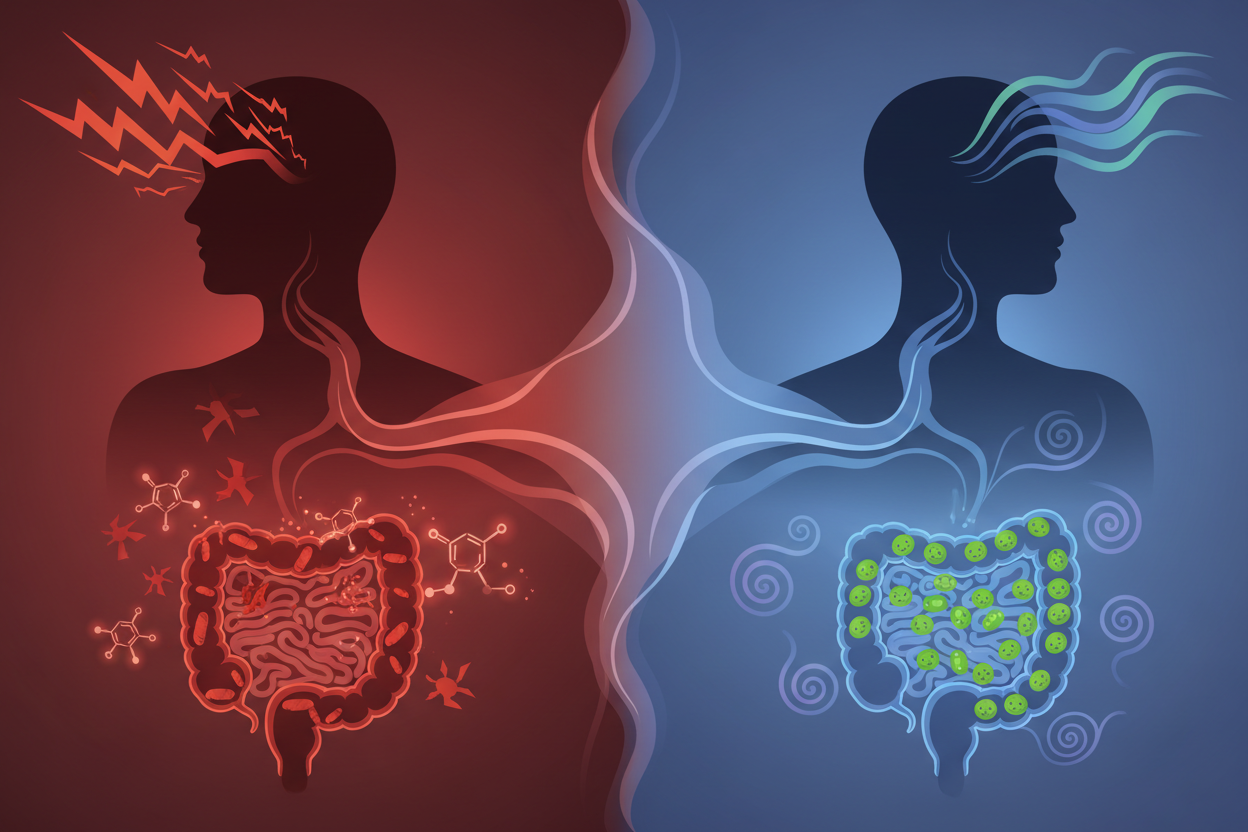
Stress reduction represents one of the most significant pathways. Chronic stress elevates cortisol levels, which can dramatically alter your gut microbiome composition. High cortisol promotes the growth of harmful bacteria while suppressing beneficial species like Lactobacillus and Bifidobacterium. Brainwave entrainment, particularly targeting alpha and theta frequencies, activates the parasympathetic nervous system, reducing cortisol production and creating a more favorable environment for healthy gut bacteria.
Sleep quality also plays a crucial role. Poor sleep disrupts circadian rhythms not just in your brain, but throughout your entire body, including your gut microbes. Many gut bacteria follow their own circadian patterns, and disrupted sleep can throw these cycles out of balance. Delta wave entrainment, used to promote deep sleep, may help restore these natural rhythms and support a healthier microbial ecosystem.
Inflammation represents another critical connection point. Chronic inflammation, often triggered by stress and poor lifestyle choices, can damage the gut lining and promote dysbiosis – an imbalance in gut bacteria. Certain brainwave patterns, particularly those associated with relaxation and meditation, have been shown to reduce inflammatory markers throughout the body, potentially benefiting gut health.
The Vagus Nerve: The Highway Between Brain and Gut
The vagus nerve deserves special attention in our discussion of brainwave entrainment and gut health. This longest cranial nerve serves as the primary communication channel between your brain and digestive system, carrying signals in both directions and playing a crucial role in the gut-brain axis.
When you engage in brainwave entrainment, particularly practices that promote relaxation and parasympathetic activation, you’re stimulating vagal tone. Higher vagal tone is associated with better digestive function, reduced inflammation, and a more diverse, healthy microbiome. The vagus nerve directly influences gut motility, digestive enzyme production, and even the permeability of your intestinal lining.
Research has shown that people with higher vagal tone tend to have greater microbial diversity and more beneficial bacteria in their gut. This suggests that practices like brainwave entrainment, which can improve vagal function, may indirectly support a healthier microbiome through enhanced neural communication between the brain and gut.
Scientific Evidence: What Research Reveals
While the field is still emerging, several studies have begun to illuminate the connections between brainwave entrainment, stress reduction, and gut health. A 2019 study published in the journal Psychoneuroendocrinology found that meditation practices, which naturally induce specific brainwave patterns, led to significant changes in gut microbiome composition within just eight weeks.
Another fascinating study from UCLA demonstrated that mindfulness meditation – a practice that naturally entrains the brain to alpha and theta frequencies – increased the abundance of beneficial bacteria while reducing inflammatory markers in the gut. Participants showed improvements in both psychological wellbeing and digestive symptoms.
Research on binaural beats, a common form of auditory brainwave entrainment, has shown promising results for stress reduction and sleep improvement – both crucial factors for gut health. A 2020 study found that regular use of binaural beats significantly reduced cortisol levels and improved sleep quality, factors that directly impact microbiome health.
While we need more direct research specifically examining brainwave entrainment’s effects on the microbiome, the existing evidence strongly suggests that practices influencing brainwave patterns can create positive changes in gut health through multiple pathways.
Practical Applications for Better Gut Health
Understanding the theory is one thing, but how can you practically apply brainwave entrainment to support your gut health? The beauty of this approach lies in its accessibility – you don’t need expensive equipment or extensive training to get started.
Morning routines can incorporate alpha wave entrainment to start your day in a calm, balanced state. This might involve listening to binaural beats around 10 Hz while drinking your morning tea or coffee. This practice can help set a positive tone for your digestive system throughout the day.
Meal timing presents another opportunity. Engaging in brief theta wave entrainment (4-7 Hz) before meals can activate the parasympathetic nervous system, optimizing your body for digestion. Even five minutes of guided meditation or listening to isochronic tones can help shift your nervous system into “rest and digest” mode.
Evening practices focusing on delta wave entrainment can improve sleep quality, which is crucial for gut health. Many people find that listening to delta frequency sounds (0.5-4 Hz) before bed helps them achieve deeper, more restorative sleep, supporting both mental health and digestive function.
Types of Brainwave Entrainment for Digestive Wellness
Different types of brainwave entrainment offer unique benefits for gut health. Binaural beats, created by playing slightly different frequencies in each ear, are perhaps the most popular and accessible form. For gut health, focus on alpha frequencies (8-13 Hz) for general relaxation and stress reduction, or theta frequencies (4-8 Hz) for deeper meditative states.
Isochronic tones represent another effective approach. Unlike binaural beats, these don’t require headphones and may be more effective for some people. They use evenly spaced pulses of sound to entrain the brain and can be particularly useful for achieving specific states quickly.
Light therapy devices that pulse at specific frequencies offer a visual approach to brainwave entrainment. Some people find visual entrainment more effective than auditory methods, and these devices can be used alongside other relaxation practices.
Electromagnetic field devices represent the most advanced form of brainwave entrainment, using precisely calibrated electromagnetic pulses to influence brain activity. While more expensive, these devices often produce the most consistent results.
Getting Started: Your Journey to Better Gut Health
Beginning your brainwave entrainment journey doesn’t require a significant investment or dramatic lifestyle changes. Start simple and build gradually. Many free apps offer basic binaural beats or isochronic tones – try different frequencies and see what feels right for your body.
Consistency matters more than duration. Even ten minutes daily of brainwave entrainment can begin to create positive changes in your stress levels and, by extension, your gut health. Pay attention to how different frequencies affect not just your mental state, but also your digestive comfort and overall wellbeing.
Consider keeping a simple journal tracking your entrainment practices alongside digestive symptoms, energy levels, and sleep quality. This can help you identify which approaches work best for your unique physiology and lifestyle.
Remember that brainwave entrainment works best as part of a holistic approach to gut health. Combine it with other gut-supporting practices like eating fermented foods, managing stress through exercise, and maintaining regular sleep schedules for optimal results.
Conclusion: Harmonizing Mind and Microbiome
The relationship between brainwave entrainment and gut health represents an exciting frontier in integrative wellness. By understanding how our mental states influence the trillions of microorganisms living in our digestive tract, we open new possibilities for supporting both mental and physical health through simple, accessible practices.
While research in this specific area continues to evolve, the existing evidence strongly suggests that practices influencing brainwave patterns can create meaningful improvements in gut health through stress reduction, improved sleep, enhanced vagal tone, and reduced inflammation. The beauty of brainwave entrainment lies not just in its effectiveness, but in its accessibility – anyone can begin exploring these practices with minimal investment or risk.
As we continue to unravel the mysteries of the gut-brain connection, one thing becomes increasingly clear: our mental and digestive health are far more interconnected than we previously imagined. By nurturing this connection through practices like brainwave entrainment, we may be taking important steps toward optimizing both our mental clarity and our digestive wellness.
Your journey toward better gut health through brainwave entrainment is ultimately a personal exploration. Listen to your body, be patient with the process, and remember that small, consistent changes often create the most lasting improvements in our overall health and wellbeing.
Frequently Asked Questions
Q: How long does it take to see results from brainwave entrainment for gut health?
A: Individual results vary, but many people report improvements in stress levels and sleep quality within 1-2 weeks of consistent practice. Changes in digestive symptoms may take 4-8 weeks to become noticeable, as the gut microbiome typically requires time to rebalance.
Q: Is brainwave entrainment safe for everyone?
A: Brainwave entrainment is generally safe for most people. However, individuals with epilepsy, seizure disorders, or serious mental health conditions should consult with a healthcare provider before beginning any entrainment practice.
Q: Can I use brainwave entrainment while taking medications for digestive issues?
A: Brainwave entrainment typically doesn’t interfere with medications, but it’s always wise to discuss any new wellness practices with your healthcare provider, especially if you’re managing chronic digestive conditions.
Q: What’s the best time of day to practice brainwave entrainment for gut health?
A: Different times serve different purposes. Morning alpha wave sessions can set a calm tone for the day, pre-meal theta sessions can optimize digestion, and evening delta wave practices can improve sleep quality. Experiment to find what works best for your schedule and goals.
Q: Do I need expensive equipment to get started with brainwave entrainment?
A: Not at all! Many effective brainwave entrainment recordings are available for free through apps and online platforms. Basic headphones are helpful for binaural beats, but even smartphone speakers can work for isochronic tones.
Q: Can children use brainwave entrainment for digestive issues?
A: While generally safe, it’s important to consult with a pediatric healthcare provider before introducing brainwave entrainment to children. Some gentle forms, like soft nature sounds with embedded frequencies, may be appropriate for older children under guidance.