
The Connection Between Brainwaves and Cardiovascular Health: How Your Mind Impacts Your Heart
Table of Contents
1. Introduction: The Mind-Heart Connection
2. Understanding Brainwaves: Your Brain’s Electrical Symphony
3. How Brainwave Patterns Influence Heart Health
4. The Science Behind Brainwave-Cardiovascular Interactions
5. Stress, Brainwaves, and Heart Disease Risk
6. Optimizing Brainwaves for Better Cardiovascular Health
7. Practical Techniques to Harmonize Mind and Heart
8. Frequently Asked Questions
9. Conclusion: Taking Control of Your Heart Health Through Brainwave Awareness
Introduction: The Mind-Heart Connection
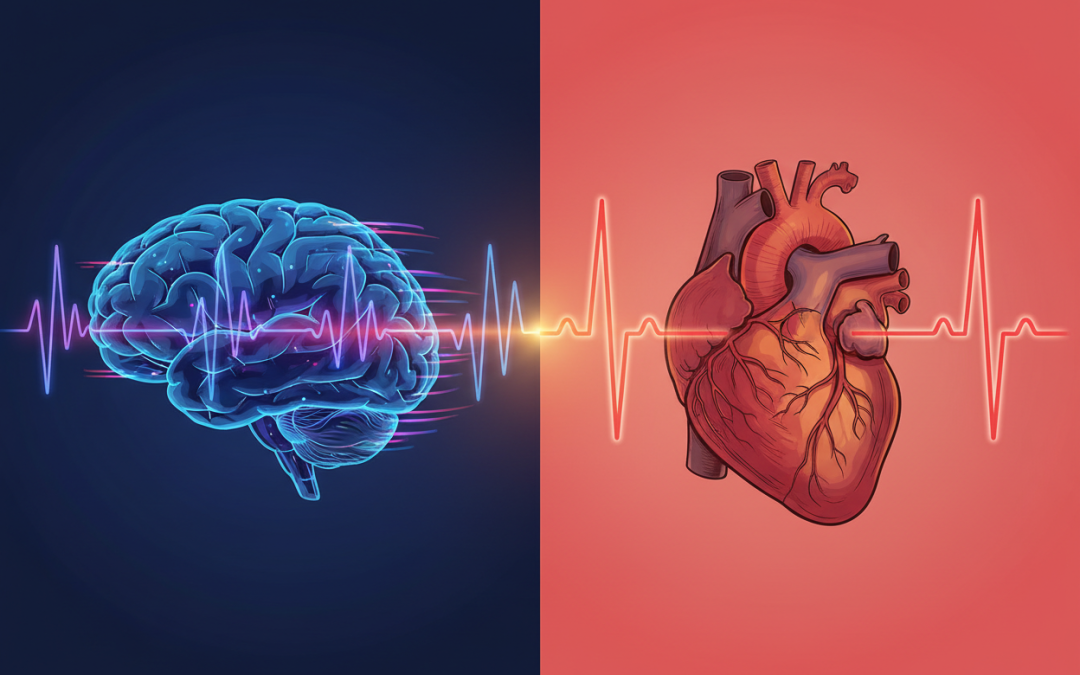
Have you ever noticed how your heart races when you’re anxious, or how it seems to slow down when you’re deeply relaxed? This isn’t just coincidence – it’s a fascinating example of the intricate connection between your brain and cardiovascular system. Recent research has unveiled compelling evidence that brainwave patterns directly influence heart health, opening new pathways for understanding and improving cardiovascular wellness.
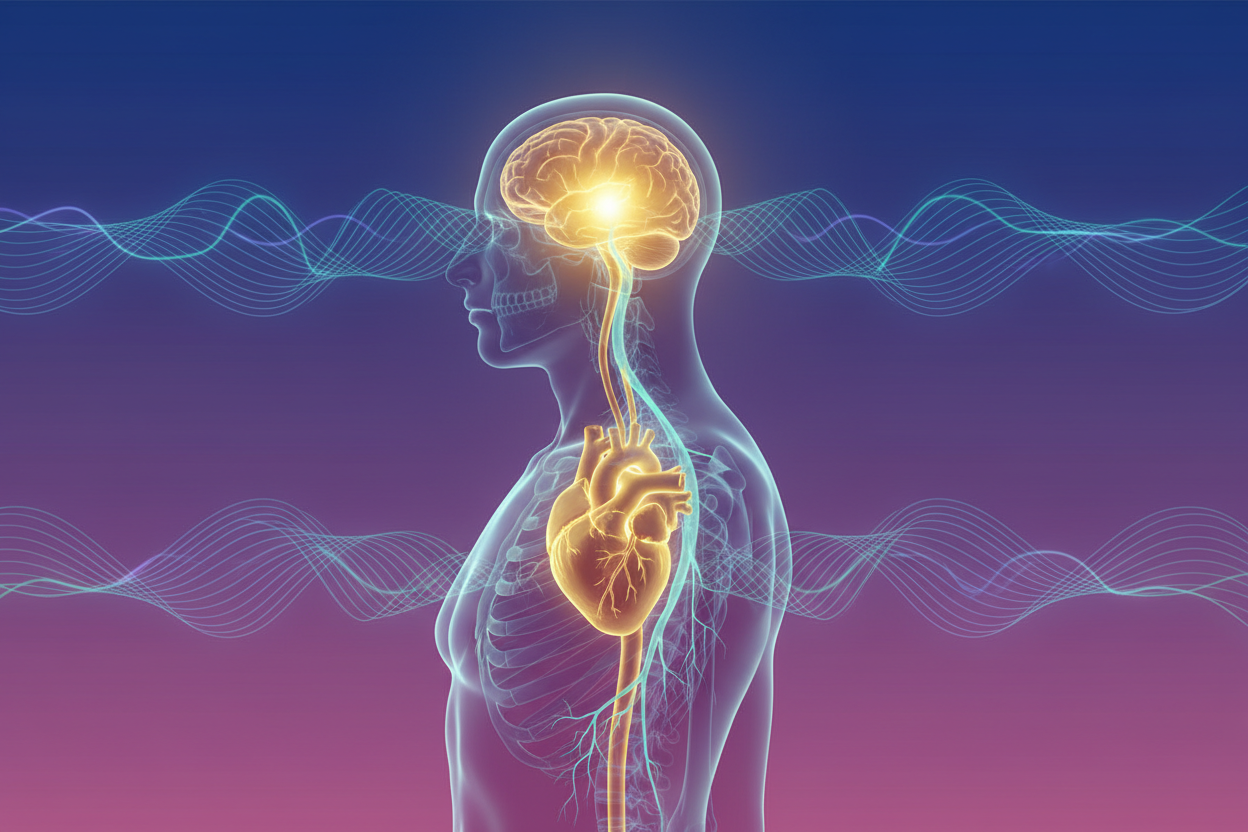
The relationship between brainwaves and cardiovascular health represents one of medicine’s most intriguing frontiers. As we dive deeper into this connection, we discover that our mental states don’t just affect how we feel emotionally – they create measurable, physical changes in our heart’s rhythm, blood pressure, and overall cardiovascular function.
This comprehensive exploration will help you understand how your brain’s electrical activity impacts your heart’s performance and, more importantly, how you can harness this knowledge to protect and enhance your cardiovascular health naturally.
Understanding Brainwaves: Your Brain’s Electrical Symphony
Before we explore the heart connection, let’s understand what brainwaves actually are. Your brain consists of billions of neurons that communicate through electrical impulses. When measured by an electroencephalogram (EEG), these collective electrical activities create distinct patterns called brainwaves.
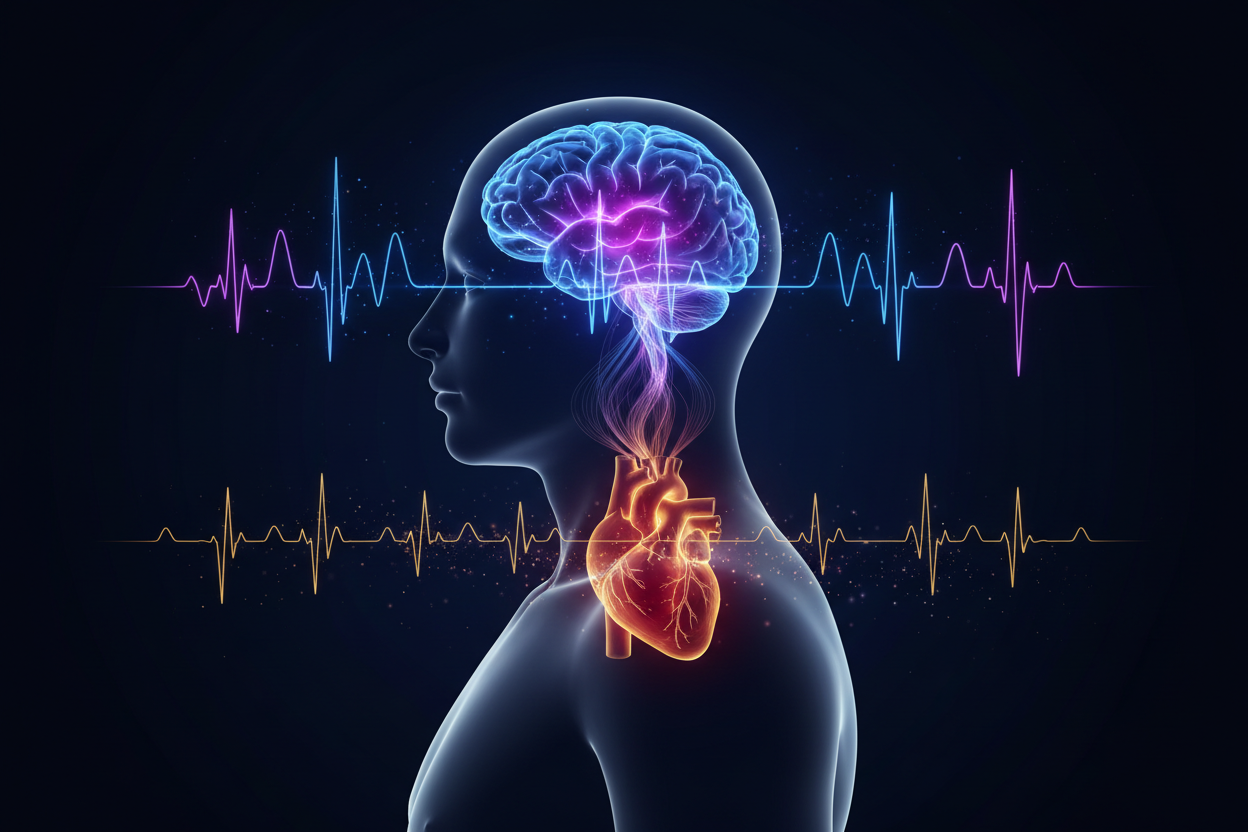
Scientists have identified five primary brainwave frequencies, each associated with different mental states and physiological responses. Beta waves (13-30 Hz) dominate during active thinking and problem-solving. Alpha waves (8-13 Hz) emerge during relaxed awareness and light meditation. Theta waves (4-8 Hz) occur during deep meditation and REM sleep. Delta waves (0.5-4 Hz) are present during deep, dreamless sleep. Finally, gamma waves (30-100 Hz) appear during heightened awareness and cognitive processing.
What makes this particularly relevant to cardiovascular health is that each brainwave state triggers different responses in your autonomic nervous system – the part of your nervous system that controls involuntary functions like heart rate, blood pressure, and circulation.
How Brainwave Patterns Influence Heart Health
The connection between brainwaves and cardiovascular health operates through several sophisticated mechanisms. When your brain generates specific wave patterns, it sends corresponding signals through your nervous system to your heart and blood vessels.
During high-beta states – often associated with stress, anxiety, or intense concentration – your brain activates the sympathetic nervous system. This triggers the release of stress hormones like cortisol and adrenaline, which increase heart rate, elevate blood pressure, and constrict blood vessels. While this response serves us well in genuine emergencies, chronic activation can lead to cardiovascular problems.
Conversely, when your brain produces more alpha and theta waves – typically during relaxation, meditation, or peaceful activities – it activates the parasympathetic nervous system. This “rest and digest” response slows heart rate, lowers blood pressure, and promotes healthy circulation. Regular activation of these calmer brainwave states has been linked to improved heart rate variability, reduced inflammation, and better overall cardiovascular function.
Research has shown that people who regularly achieve alpha and theta brainwave states through meditation or other relaxation techniques tend to have lower resting heart rates, better blood pressure control, and reduced risk of heart disease compared to those who predominantly operate in high-stress beta states.
The Science Behind Brainwave-Cardiovascular Interactions
The scientific understanding of brainwave-cardiovascular connections has evolved significantly over the past two decades. Neurological studies using advanced imaging techniques have revealed direct neural pathways between the brain’s emotional and stress-processing centers and the cardiovascular control systems.
The vagus nerve plays a crucial role in this connection. This longest cranial nerve extends from the brainstem to various organs, including the heart. When your brain generates calming alpha or theta waves, it increases vagal tone – essentially strengthening the parasympathetic nervous system’s influence over your heart. Higher vagal tone is associated with better heart rate variability, improved emotional regulation, and reduced cardiovascular disease risk.
Studies have also demonstrated that specific brainwave patterns can influence the production of nitric oxide, a molecule that helps blood vessels relax and maintain healthy circulation. Alpha and theta states appear to promote nitric oxide production, while chronic beta dominance can suppress it, potentially contributing to hypertension and arterial stiffness.
Furthermore, research has shown that brainwave patterns affect inflammation markers in the blood. Chronic high-beta states are associated with increased inflammatory cytokines, which contribute to atherosclerosis and other cardiovascular problems. In contrast, regular alpha and theta wave production appears to reduce systemic inflammation.
Stress, Brainwaves, and Heart Disease Risk
Chronic stress represents one of the most significant modifiable risk factors for cardiovascular disease, and brainwaves provide the mechanism through which psychological stress translates into physical heart problems.
When you experience ongoing stress – whether from work pressure, relationship difficulties, or financial concerns – your brain tends to get stuck in high-beta wave patterns. This creates a state of physiological hyperarousal where your cardiovascular system remains in a constant state of alertness.
Over time, this chronic activation leads to several cardiovascular problems. Blood pressure remains elevated, putting extra strain on arterial walls. Heart rate variability decreases, indicating reduced adaptability of the cardiovascular system. Stress hormones promote inflammation and encourage the formation of arterial plaques. The combination of these factors significantly increases the risk of heart attacks, strokes, and other cardiovascular events.
However, understanding the brainwave connection offers hope. By learning to shift your brainwave patterns from chronic beta dominance to more balanced states that include regular alpha and theta activity, you can literally rewire your cardiovascular risk profile.
Optimizing Brainwaves for Better Cardiovascular Health
The good news is that you have more control over your brainwave patterns than you might think. While some factors like genetics and age influence your baseline patterns, lifestyle choices and specific practices can significantly shift your brain toward more heart-healthy states.
Regular meditation stands out as one of the most effective ways to optimize brainwave patterns for cardiovascular health. Even just 10-20 minutes of daily meditation can increase alpha and theta wave production while reducing excessive beta activity. Studies have shown that consistent meditators have lower blood pressure, improved heart rate variability, and reduced risk of cardiovascular events.
Deep breathing exercises offer another powerful tool for brainwave optimization. Slow, rhythmic breathing naturally shifts your brain toward alpha states while directly activating the parasympathetic nervous system. The 4-7-8 breathing technique – inhaling for 4 counts, holding for 7, and exhaling for 8 – has been shown to rapidly induce calming brainwave patterns.
Physical exercise, particularly activities like yoga, tai chi, or walking in nature, can also promote beneficial brainwave states. These activities combine physical movement with mindful awareness, creating conditions that favor alpha and theta wave production while providing cardiovascular benefits through multiple pathways.
Practical Techniques to Harmonize Mind and Heart
Implementing brainwave optimization for cardiovascular health doesn’t require expensive equipment or extensive training. Here are several practical techniques you can start using today.
Begin with a simple daily meditation practice. Find a quiet space, sit comfortably, and focus on your breath for 10-15 minutes each morning. Don’t worry about “doing it right” – the act of regularly sitting quietly and focusing inward will naturally encourage alpha wave production and improve heart rate variability.
Practice progressive muscle relaxation before bed. Starting with your toes and working up to your head, tense and then completely relax each muscle group. This technique helps shift your brain from beta to alpha and theta states while preparing your cardiovascular system for restorative sleep.
Incorporate biofeedback apps or devices that can help you visualize your brainwave patterns and heart rate variability in real-time. Many smartphone apps now offer guided sessions that help you achieve specific brainwave states while monitoring their effects on your heart rhythm.
Create “mindful moments” throughout your day. Set reminders to pause, take three deep breaths, and briefly scan your body for tension. These micro-meditations help prevent the accumulation of stress-induced beta waves and maintain better cardiovascular balance.
Consider exploring sound therapy or binaural beats. Listening to specific frequencies can help entrain your brainwaves toward desired states. Alpha wave frequencies (8-13 Hz) are particularly beneficial for promoting the relaxed awareness that supports cardiovascular health.
Frequently Asked Questions
Q: How quickly can changes in brainwave patterns affect cardiovascular health?
A: Some effects are immediate – you can see changes in heart rate and blood pressure within minutes of shifting to calmer brainwave states. However, lasting cardiovascular benefits typically develop over weeks to months of consistent practice.
Q: Can brainwave training replace cardiovascular medications?
A: No, brainwave optimization should complement, not replace, medical treatment. While these techniques can significantly support cardiovascular health, anyone with heart conditions should work with their healthcare provider and continue prescribed medications.
Q: Are certain people more responsive to brainwave-based cardiovascular interventions?
A: Individual responses vary, but most people can benefit from brainwave optimization techniques. Those with high baseline stress levels or anxiety often see the most dramatic improvements in cardiovascular markers.
Q: How long should I practice brainwave techniques each day for cardiovascular benefits?
A: Research suggests that even 10-15 minutes daily can provide measurable benefits. However, longer sessions (20-30 minutes) and multiple shorter sessions throughout the day may offer additional advantages.
Q: Can children benefit from brainwave techniques for cardiovascular health?
A: Yes, teaching children meditation, deep breathing, and relaxation techniques can help establish healthy brainwave patterns early in life, potentially providing lifelong cardiovascular protection.
Conclusion: Taking Control of Your Heart Health Through Brainwave Awareness
The connection between brainwaves and cardiovascular health represents a powerful reminder that our minds and bodies are intimately connected. By understanding how our mental states directly influence our heart’s function, we gain access to natural, effective tools for protecting and improving our cardiovascular health.
The science is clear: chronic stress and the high-beta brainwave patterns it produces can significantly increase cardiovascular disease risk. Conversely, regular cultivation of calmer alpha and theta states through meditation, breathing exercises, and mindfulness practices can provide substantial heart health benefits.
What makes this approach particularly appealing is its accessibility. Unlike many cardiovascular interventions that require medications or medical procedures, brainwave optimization techniques can be learned and practiced by virtually anyone, anywhere, at any time.
As you begin incorporating these practices into your daily routine, remember that consistency matters more than perfection. Even a few minutes of daily attention to your brainwave patterns can begin shifting your cardiovascular health in a positive direction. Your heart and brain have been working together your entire life – now you have the knowledge to help them work together even better.
Start small, be patient with yourself, and celebrate the subtle but significant improvements in how you feel. Your cardiovascular system will thank you for taking this holistic approach to heart health, and you may discover that the benefits extend far beyond your physical wellbeing into improved mental clarity, emotional balance, and overall quality of life.