
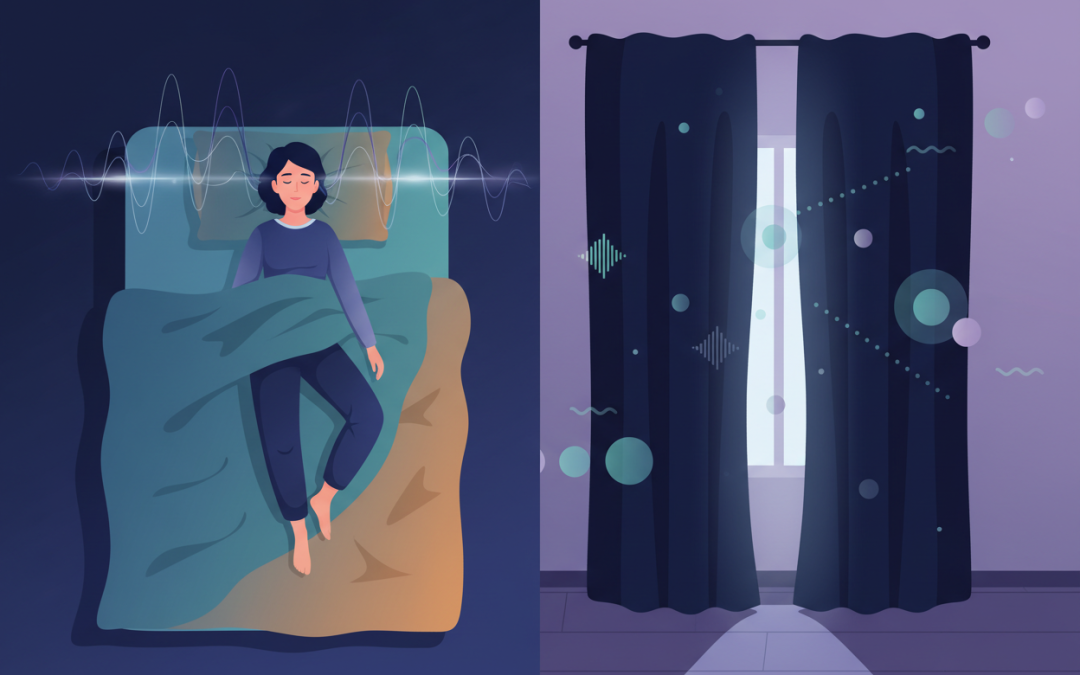
Brainwave Entrainment for Night Shift Workers: Optimizing Sleep
Table of Contents
1. Introduction to Night Shift Sleep Challenges
2. Understanding Brainwave Entrainment
3. How Brainwave Entrainment Works for Sleep Optimization
4. Types of Brainwave Frequencies for Night Shift Workers
5. Best Brainwave Entrainment Methods for Shift Workers
6. Creating an Effective Sleep Routine with Brainwave Entrainment
7. Scientific Evidence and Research Findings
8. Practical Tips for Implementation
9. Common Mistakes to Avoid
10. Conclusion
11. Frequently Asked Questions
Introduction to Night Shift Sleep Challenges
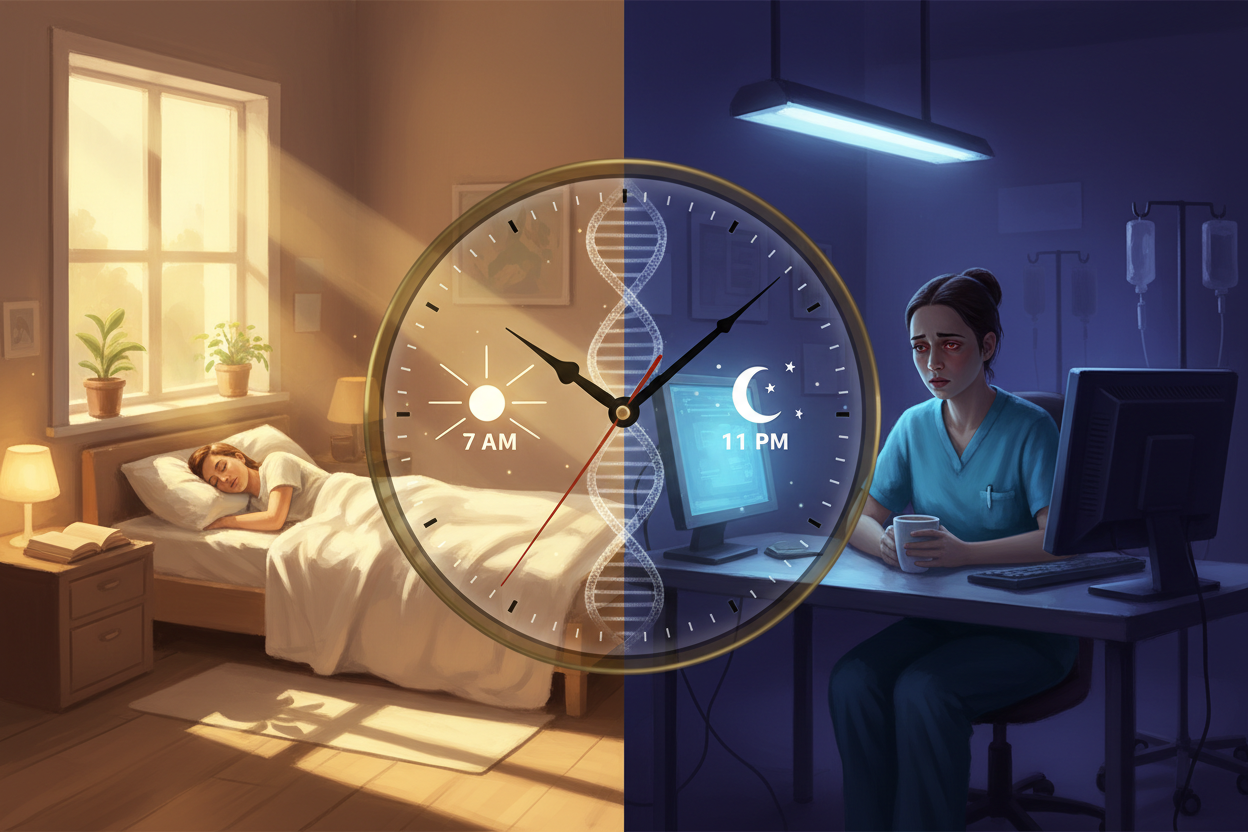
Working the night shift can feel like you’re constantly swimming against the current of your body’s natural rhythm. If you’re one of the millions of night shift workers worldwide, you know the struggle all too well – lying in bed at 8 AM, exhausted but somehow wide awake, while the rest of the world is just starting their day.
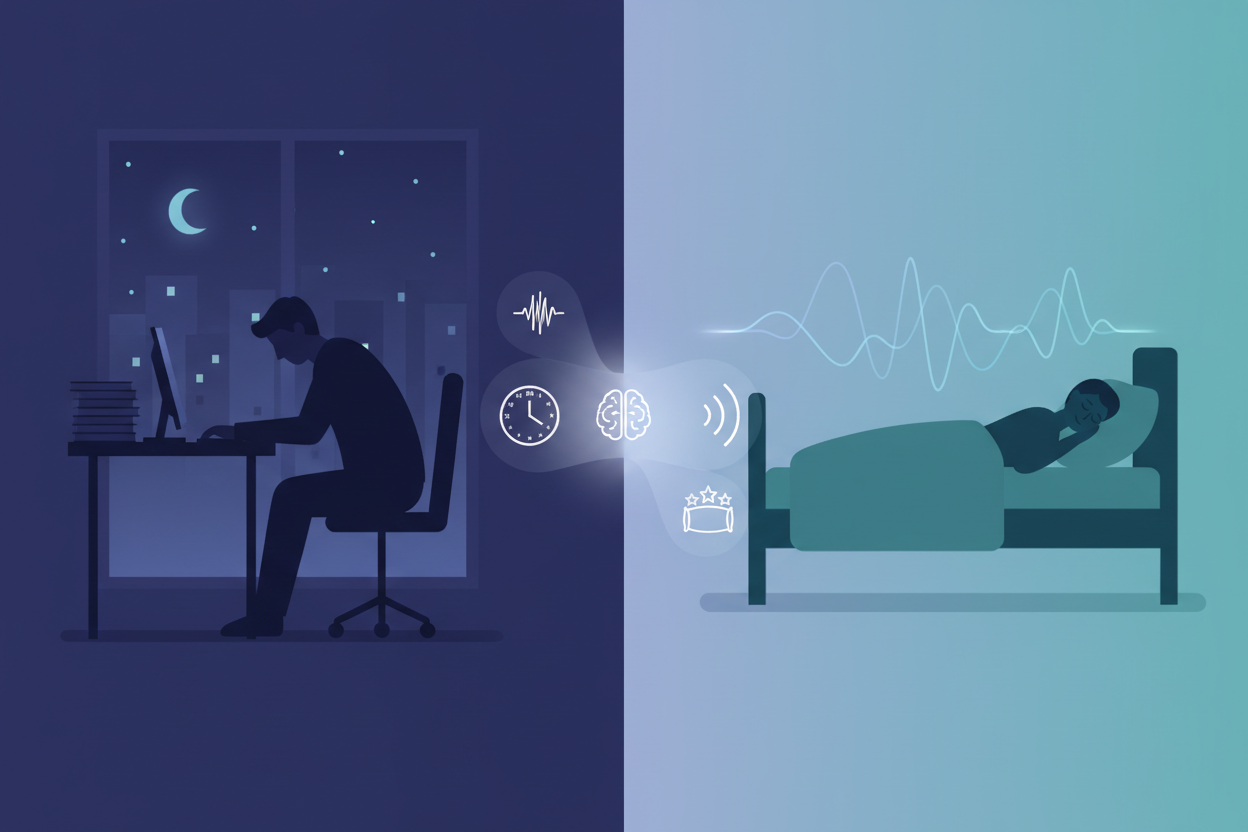
The human body operates on a circadian rhythm that naturally prepares us for sleep when darkness falls and wakefulness when the sun rises. Night shift workers must fight against this biological programming, often leading to shift work sleep disorder, chronic fatigue, and a host of health issues. Traditional sleep aids and conventional advice often fall short for those working unconventional hours.
This is where brainwave entrainment emerges as a promising solution. This innovative approach uses specific audio frequencies to guide your brain into desired states, potentially revolutionizing how night shift workers achieve quality sleep. Let’s explore how this technology can transform your rest and recovery.
Understanding Brainwave Entrainment
Brainwave entrainment might sound like science fiction, but it’s actually a well-researched phenomenon rooted in neuroscience. Your brain naturally produces electrical activity in the form of brainwaves, which can be measured and categorized by their frequency. These waves correspond to different states of consciousness – from deep sleep to high alertness.
The principle behind brainwave entrainment is surprisingly simple: when your brain is exposed to rhythmic stimuli at specific frequencies, it tends to synchronize its own electrical activity to match that frequency. This process, known as the frequency following response, allows external audio cues to guide your brain into desired states.
Think of it like a musical conductor leading an orchestra. Just as musicians naturally follow the conductor’s tempo, your brain can be gently guided to follow specific frequencies that promote relaxation and sleep. This isn’t about forcing your brain into submission – it’s about providing gentle guidance that works with your natural neurological processes.
How Brainwave Entrainment Works for Sleep Optimization
For night shift workers, brainwave entrainment offers a unique advantage: the ability to artificially trigger sleep-promoting brainwave patterns regardless of the time of day. When you’re trying to sleep at 9 AM after a long night shift, your brain is naturally producing beta waves associated with alertness and concentration. This biological mismatch makes quality sleep nearly impossible.
Brainwave entrainment can help bridge this gap by using specific audio frequencies to encourage your brain to produce delta and theta waves – the same patterns associated with deep, restorative sleep. These frequencies essentially “trick” your brain into thinking it’s nighttime, making it easier to fall asleep and stay asleep during daylight hours.
The beauty of this approach lies in its non-invasive nature. Unlike sleep medications that can leave you groggy or create dependency, brainwave entrainment works with your brain’s natural plasticity. Over time, regular use can actually help retrain your circadian rhythm to better accommodate your work schedule.
Types of Brainwave Frequencies for Night Shift Workers
Understanding the different types of brainwaves and their associated states is crucial for night shift workers looking to optimize their sleep. Each frequency range serves a specific purpose in the sleep cycle and overall well-being.
Delta waves (0.5-4 Hz) represent the deepest level of sleep and are essential for physical recovery and immune system function. These slow, powerful waves dominate during the most restorative stages of sleep. For night shift workers, achieving adequate delta wave sleep is often challenging but absolutely critical for maintaining health and cognitive function.
Theta waves (4-8 Hz) occur during light sleep and the transition between wakefulness and sleep. This frequency range is also associated with deep relaxation, meditation, and memory consolidation. Theta entrainment can be particularly helpful for night shift workers who struggle with the initial transition to sleep.
Alpha waves (8-13 Hz) are present during relaxed wakefulness and can serve as a bridge between active consciousness and sleep preparation. These frequencies can help night shift workers wind down after a stimulating work environment, creating the mental space necessary for sleep.
Best Brainwave Entrainment Methods for Shift Workers
Several techniques can deliver brainwave entrainment effectively, each with its own advantages for night shift workers. Binaural beats remain the most popular and accessible method. This technique plays slightly different frequencies in each ear, causing your brain to perceive a third “phantom” frequency equal to the difference between the two tones.
For example, playing 200 Hz in your left ear and 210 Hz in your right ear creates a perceived 10 Hz binaural beat. This method requires stereo headphones and works best in quiet environments – perfect for the controlled setting of your bedroom during daytime sleep.
Isochronic tones offer another effective approach, using evenly spaced pulses of sound to create entrainment. Unlike binaural beats, isochronic tones don’t require headphones and can be played through regular speakers. This makes them ideal for night shift workers who find headphones uncomfortable during sleep or who share sleeping spaces.
Monaural beats combine two frequencies into a single audio track, creating a pulsing effect that can be heard with one ear or through speakers. This method provides a middle ground between the precision of binaural beats and the convenience of isochronic tones.
Creating an Effective Sleep Routine with Brainwave Entrainment
Success with brainwave entrainment requires more than just pressing play on an audio track. Night shift workers need to develop a comprehensive sleep routine that incorporates entrainment as part of a broader sleep hygiene strategy.
Start your wind-down routine at least 30 minutes before your intended sleep time. Begin with alpha frequency entrainment (8-10 Hz) to help transition from the alertness of your work environment to a more relaxed state. This initial phase should coincide with other sleep preparation activities like dimming lights, avoiding screens, and creating a cool, comfortable sleeping environment.
As you settle into bed, transition to theta frequencies (4-7 Hz) to facilitate the onset of sleep. Many night shift workers find that 20-30 minutes of theta entrainment helps overcome the initial resistance to daytime sleep. The key is consistency – your brain learns to associate these frequencies with sleep preparation.
For the deepest sleep phases, delta frequencies (0.5-4 Hz) can enhance sleep quality and duration. Some people prefer to use delta entrainment throughout their entire sleep period, while others find it most effective during the first few hours when deep sleep naturally occurs.
Scientific Evidence and Research Findings
The effectiveness of brainwave entrainment for sleep optimization isn’t just anecdotal – it’s backed by growing scientific research. Multiple studies have demonstrated that auditory entrainment can successfully influence brainwave patterns and improve sleep quality in various populations.
A 2017 study published in the Journal of Sleep Research found that participants using delta frequency entrainment experienced significant improvements in deep sleep duration and overall sleep efficiency. The research showed that regular use of brainwave entrainment could help normalize sleep patterns even in challenging circumstances.
Research specifically focused on shift workers has shown promising results. A study examining healthcare workers found that those using brainwave entrainment reported better sleep quality, reduced fatigue, and improved cognitive performance compared to control groups. These findings are particularly relevant for night shift workers who face similar circadian disruption challenges.
Neuroimaging studies have also provided insight into the mechanisms behind brainwave entrainment. EEG recordings show that the brain does indeed synchronize with external audio frequencies, and this synchronization can persist even after the audio stimulus is removed, suggesting lasting benefits for sleep regulation.
Practical Tips for Implementation
Successfully integrating brainwave entrainment into your sleep routine requires attention to both technical and environmental factors. Start with high-quality audio equipment – while you don’t need expensive gear, ensure your headphones or speakers can accurately reproduce low frequencies, as these are crucial for delta and theta entrainment.
Volume levels should be comfortable and barely audible. The goal isn’t to overwhelm your auditory system but to provide gentle guidance for your brainwaves. Many people make the mistake of playing entrainment tracks too loudly, which can actually interfere with sleep rather than promote it.
Consistency is paramount for night shift workers. Try to use brainwave entrainment at the same time each day, even on your days off. This helps reinforce the association between the audio cues and sleep, making the technique more effective over time.
Consider your work schedule when choosing entrainment protocols. If you work rotating shifts, you might need different approaches for different rotation phases. Some night shift workers find it helpful to use lighter alpha and theta entrainment during transition periods and deeper delta frequencies during established night shift periods.
Common Mistakes to Avoid
Even with the best intentions, night shift workers often make mistakes that can undermine the effectiveness of brainwave entrainment. One of the most common errors is expecting immediate results. While some people notice benefits within days, others may need several weeks of consistent use to see significant improvements.
Another frequent mistake is using entrainment as a standalone solution while ignoring other aspects of sleep hygiene. Brainwave entrainment works best when combined with proper light management, temperature control, and consistent sleep schedules. Don’t expect audio frequencies alone to overcome poor sleep environment conditions.
Many people also make the error of using stimulating frequencies too close to sleep time. Beta frequencies (13-30 Hz), while useful for alertness during work hours, can interfere with sleep preparation if used within a few hours of your intended sleep time.
Overuse is another pitfall to avoid. More isn’t always better with brainwave entrainment. Using multiple different frequencies simultaneously or extending sessions beyond recommended durations can actually create confusion in your brain’s response patterns.
Conclusion
Brainwave entrainment represents a promising frontier in sleep optimization for night shift workers. By harnessing the brain’s natural tendency to synchronize with external rhythms, this technology offers a non-invasive way to improve sleep quality despite the challenges of working against your circadian rhythm.
The key to success lies in understanding that brainwave entrainment is not a magic bullet but rather a valuable tool in a comprehensive approach to sleep health. When combined with proper sleep hygiene, consistent routines, and patience for gradual adaptation, it can significantly improve the sleep experience for night shift workers.
As research continues to validate and refine these techniques, night shift workers have an increasingly powerful arsenal of tools to combat the sleep challenges inherent in their work schedules. The investment in learning and implementing brainwave entrainment techniques can pay dividends in improved health, better job performance, and enhanced quality of life.
Remember, everyone’s response to brainwave entrainment is unique. What works perfectly for one night shift worker might need adjustment for another. Be patient with the process, stay consistent with your practice, and don’t hesitate to experiment with different frequencies and methods to find what works best for your specific situation and sleep needs.
Frequently Asked Questions
Q: How long does it take for brainwave entrainment to work for night shift workers?
A: Most people begin noticing subtle changes within 1-2 weeks of consistent use, but significant improvements in sleep quality typically develop over 4-6 weeks. Night shift workers may need slightly longer due to the additional challenge of working against their natural circadian rhythm.
Q: Is brainwave entrainment safe for long-term use?
A: Yes, brainwave entrainment is considered safe for long-term use. Unlike sleep medications, it doesn’t create chemical dependency or tolerance. However, if you have a history of seizures or certain neurological conditions, consult with a healthcare provider before beginning any entrainment program.
Q: Can I use brainwave entrainment if I share a bedroom with someone on a different schedule?
A: Absolutely. Using headphones allows you to benefit from binaural beats without disturbing your partner. Alternatively, some couples find that using speakers with isochronic tones at very low volumes doesn’t interfere with their partner’s sleep.
Q: Should I use brainwave entrainment every time I sleep or just when I’m having trouble?
A: For night shift workers, consistent daily use typically produces the best results. Regular entrainment helps train your brain to associate the frequencies with sleep time, making the technique more effective over time.
Q: What’s the difference between free and paid brainwave entrainment apps?
A: Paid apps often offer higher quality audio, more frequency options, and features like progressive entrainment sessions. However, many free options provide effective basic binaural beats. The key is finding audio that’s comfortable for you and maintaining consistency in use.
Q: Can brainwave entrainment help with other shift work-related issues besides sleep?
A: Yes, different frequencies can help with alertness during work hours, stress reduction, and cognitive performance. Many night shift workers use beta frequencies (13-30 Hz) during work breaks to maintain alertness and focus throughout their shift.