
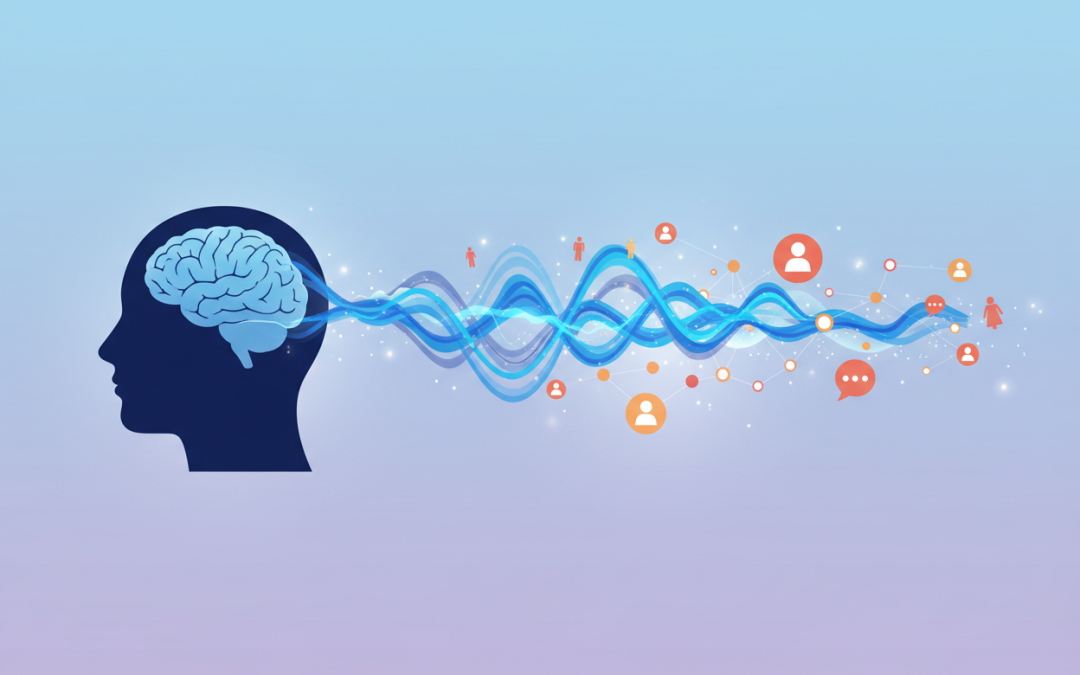
The Connection Between Brainwaves and Social Anxiety: Understanding Your Mind’s Hidden Patterns
Table of Contents
1. Introduction
2. Understanding Brainwaves: The Electrical Language of Your Mind
3. What is Social Anxiety and How Does it Manifest?
4. The Science Behind Brainwaves and Social Anxiety
5. How Different Brainwave Patterns Affect Social Behavior
6. Neurofeedback and Brainwave Training for Social Anxiety
7. Natural Ways to Optimize Your Brainwaves for Better Social Confidence
8. The Future of Brainwave Research in Anxiety Treatment
9. Conclusion
10. Frequently Asked Questions
Introduction
Have you ever wondered why your heart races before a job interview or why you feel tongue-tied at social gatherings? The answer might lie in the invisible electrical activity happening in your brain right now. Your brainwaves – those rhythmic patterns of neural activity – play a fascinating role in how you experience social situations and manage anxiety.
As someone who’s spent years researching the intersection of neuroscience and mental health, I’ve discovered that understanding brainwaves can be a game-changer for people struggling with social anxiety. It’s not just about “thinking positive thoughts” or “pushing through the fear.” There’s actual science behind why some people feel more comfortable in social settings than others, and it all comes down to the electrical patterns firing in our brains.
This connection between brainwaves and social anxiety isn’t just academic curiosity – it’s opening doors to new treatment approaches that could help millions of people reclaim their social confidence. Let’s dive into this fascinating world where neuroscience meets everyday human experience.
Understanding Brainwaves: The Electrical Language of Your Mind
Think of your brain as the world’s most sophisticated electrical system. Every thought, emotion, and sensation you experience corresponds to specific patterns of electrical activity called brainwaves. These waves are measured in cycles per second, or Hertz (Hz), and they fall into distinct categories that researchers have been studying for decades.
The five main types of brainwaves each serve different functions in your mental and emotional life. Delta waves (0.5-4 Hz) dominate during deep sleep and healing. Theta waves (4-8 Hz) appear during meditation, creativity, and light sleep. Alpha waves (8-13 Hz) emerge when you’re relaxed but alert – that peaceful state you might feel while walking in nature.
Beta waves (13-30 Hz) are where things get interesting for social anxiety. These are your “thinking” waves, active during normal waking consciousness, problem-solving, and focused attention. However, when beta activity becomes excessive, particularly in the higher ranges, it can contribute to anxiety, worry, and that racing mind feeling many people know all too well.
Finally, gamma waves (30-100 Hz) represent the brain’s highest frequency activity, associated with peak cognitive performance and moments of insight. Understanding these patterns is crucial because social anxiety often involves specific disruptions in how these brainwaves function together.
What is Social Anxiety and How Does it Manifest?
Social anxiety disorder affects approximately 15 million adults in the United States alone, making it one of the most common mental health conditions. But what exactly happens in your brain when social anxiety strikes?
Social anxiety goes far beyond normal nervousness before a presentation or first date. It’s a persistent fear of social situations where you might be judged, embarrassed, or rejected by others. The physical symptoms can be intense: sweating palms, rapid heartbeat, trembling voice, or that familiar feeling of your mind going completely blank when someone asks you a question.
What many people don’t realize is that these symptoms aren’t just “in your head” – they’re the result of your brain’s threat detection system working overtime. Your amygdala, the brain’s alarm center, perceives social situations as potential dangers and triggers the same fight-or-flight response your ancestors needed to escape predators.
The tricky part about social anxiety is that it often creates a vicious cycle. You avoid social situations because they feel threatening, which prevents you from having positive social experiences that could retrain your brain to see these situations as safe. Meanwhile, your brainwave patterns reinforce this cycle, creating specific electrical signatures that maintain the anxiety response.
The Science Behind Brainwaves and Social Anxiety
Recent neuroscience research has revealed fascinating connections between brainwave patterns and social anxiety that go deeper than we ever imagined. When researchers use EEG (electroencephalography) to measure brain activity in people with social anxiety, they consistently find specific patterns that differ from those without the condition.
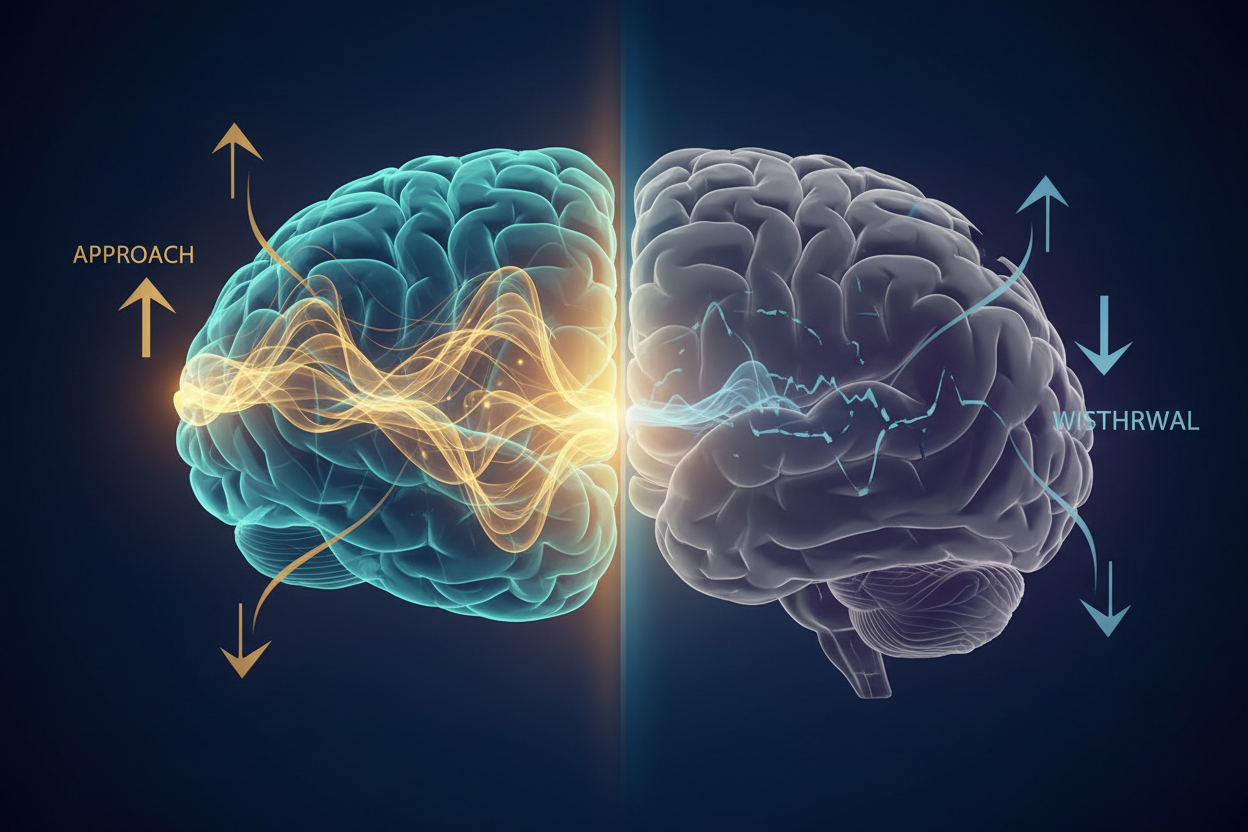
One of the most significant findings involves something called “frontal alpha asymmetry.” In people with social anxiety, there’s often reduced alpha wave activity in the left frontal cortex compared to the right. This matters because the left frontal area is associated with approach behaviors and positive emotions, while the right frontal area is linked to withdrawal and negative emotions.
Think of it this way: when your left frontal alpha waves are underactive, it’s like having a dimmer switch turned down on your brain’s “approach and engage” system. Meanwhile, your right frontal area might be hyperactive, constantly scanning for social threats and reasons to withdraw from interactions.
Another crucial discovery involves beta wave hyperactivity. People with social anxiety often show excessive beta wave activity, particularly in areas of the brain responsible for worry and rumination. This creates that familiar experience of your mind racing with “what if” scenarios before and after social interactions.
Researchers have also found that people with social anxiety tend to have altered gamma wave patterns during social processing tasks. Since gamma waves are involved in binding different pieces of information together, disruptions in these patterns might explain why social situations feel overwhelming – your brain struggles to integrate all the social cues, facial expressions, and contextual information efficiently.
How Different Brainwave Patterns Affect Social Behavior
The relationship between brainwaves and social behavior is like a complex dance where each frequency plays a specific role in how you navigate social interactions. Understanding these roles can help explain why some people seem naturally confident in social settings while others struggle.
Alpha waves are particularly important for social confidence. When your alpha waves are balanced and strong, you’re more likely to feel calm, centered, and present during conversations. This is the brainwave state that allows you to listen actively, respond thoughtfully, and maintain that relaxed confidence that draws people to you.
However, when alpha waves are suppressed – often due to stress or anxiety – you might find yourself feeling disconnected from others or unable to “be yourself” in social situations. It’s as if your natural social intuition gets clouded by mental noise.
Beta waves tell another part of the story. Moderate beta activity helps you stay alert and engaged in conversations, following the flow of discussion and contributing meaningfully. But when beta waves become excessive, especially in the higher ranges, they can create that overthinking pattern that’s so common in social anxiety.
I’ve worked with clients who describe their social interactions as feeling like they’re “watching themselves from the outside” or being “stuck in their heads” during conversations. This often correlates with hyperactive beta patterns that prevent them from being present and spontaneous in social moments.
Theta waves also play a surprising role in social behavior. While we often associate theta with meditation and creativity, these waves are also active during empathy and emotional processing. People with balanced theta activity tend to be more emotionally attuned to others and better at reading social cues.
Neurofeedback and Brainwave Training for Social Anxiety
One of the most exciting developments in social anxiety treatment is the use of neurofeedback to directly train brainwave patterns. This isn’t science fiction – it’s a well-established therapeutic approach that’s helping people rewire their brain’s response to social situations.
Neurofeedback works by providing real-time information about your brainwave activity, usually through visual or auditory feedback. During a session, you might watch a movie that becomes clearer when your brainwaves move toward healthier patterns, or play a game that responds to your mental state. Over time, your brain learns to produce more optimal patterns naturally.
For social anxiety, neurofeedback typically focuses on increasing alpha wave activity in the left frontal cortex while reducing excessive beta activity in areas associated with worry and rumination. Some protocols also work on enhancing the brain’s ability to shift flexibly between different states – being alert when needed but also able to relax and be present.
The research on neurofeedback for social anxiety is promising. Studies have shown that people who complete neurofeedback training often experience reduced anxiety symptoms, improved social confidence, and better emotional regulation. What’s particularly encouraging is that these improvements tend to be lasting, suggesting that the brain actually learns new, healthier patterns.
One client I worked with described the change as “finally feeling like myself in social situations.” After several months of neurofeedback training, she noticed that her mind stopped racing during conversations, and she could actually enjoy meeting new people rather than dreading it.
Natural Ways to Optimize Your Brainwaves for Better Social Confidence
While neurofeedback is powerful, there are also natural approaches you can use to influence your brainwave patterns and improve your social confidence. These methods won’t replace professional treatment for severe social anxiety, but they can be valuable tools in your toolkit.
Meditation is perhaps the most accessible way to train your brainwaves. Regular meditation practice increases alpha wave activity and helps balance the overall pattern of brain activity. Even ten minutes of daily meditation can begin to shift your baseline brainwave patterns toward states more conducive to social ease.
Specific breathing techniques can also influence brainwaves in real-time. Slow, rhythmic breathing – particularly with longer exhales than inhales – tends to increase alpha waves and reduce excessive beta activity. This makes controlled breathing an excellent tool to use before social situations or even during conversations when you notice anxiety rising.
Physical exercise, especially aerobic activity, has profound effects on brainwave patterns. Regular exercise helps normalize beta wave activity and increases the production of neurotransmitters that support balanced brain function. Many people find that a good workout before a social event helps them feel more relaxed and confident.
Music can be another powerful brainwave influencer. Listening to music with specific frequencies or binaural beats may help entrain your brainwaves toward more optimal patterns. Some people find that listening to alpha wave music (around 10 Hz) before social events helps them feel more centered and present.
Sleep quality also plays a crucial role in brainwave patterns. Poor sleep disrupts the natural rhythm of brainwave activity and can make you more susceptible to anxiety the next day. Prioritizing good sleep hygiene is one of the most fundamental ways to support healthy brainwave function.
The Future of Brainwave Research in Anxiety Treatment
The field of brainwave research and anxiety treatment is evolving rapidly, with new technologies and approaches emerging that could revolutionize how we understand and treat social anxiety. We’re moving toward a future where treatment can be highly personalized based on individual brainwave patterns.
One exciting development is the use of artificial intelligence to analyze complex brainwave patterns and predict treatment responses. Instead of the trial-and-error approach that characterizes much of current mental health treatment, we might soon be able to identify the most effective interventions for each person based on their unique neural signature.
Portable EEG devices are also making brainwave monitoring more accessible. These consumer-grade devices allow people to track their brainwave patterns at home and receive real-time feedback about their mental state. While not as sophisticated as clinical equipment, they’re opening up new possibilities for self-directed brainwave training.
Researchers are also exploring the use of transcranial stimulation techniques to directly influence brainwave patterns. These non-invasive methods use magnetic fields or electrical currents to encourage specific types of brain activity, potentially offering faster and more targeted treatment for social anxiety.
Virtual reality is another frontier that’s showing promise. By combining VR exposure therapy with real-time brainwave monitoring, therapists can create controlled social environments where people can practice while receiving immediate feedback about their brain’s response.
Conclusion
The connection between brainwaves and social anxiety represents a fascinating intersection of cutting-edge neuroscience and deeply human experiences. Understanding that your social struggles have a neurological basis isn’t just intellectually interesting – it’s profoundly liberating. It means that social anxiety isn’t a character flaw or personal weakness; it’s a pattern of brain activity that can be understood, measured, and most importantly, changed.
Whether through professional neurofeedback training, natural brainwave optimization techniques, or emerging technologies, there are more options than ever for addressing social anxiety at its neurological roots. The key is recognizing that lasting change often requires working with your brain’s electrical patterns, not just your thoughts and behaviors.
As our understanding of brainwaves and social anxiety continues to evolve, one thing becomes clear: the future of anxiety treatment lies in personalized, brain-based approaches that honor the complexity of human neurology while offering hope for genuine, lasting change. Your brainwaves aren’t your destiny – they’re your starting point for transformation.
Frequently Asked Questions
Can brainwave patterns really predict social anxiety levels?
Research shows that specific brainwave patterns, particularly frontal alpha asymmetry and excessive beta activity, are consistently associated with social anxiety. While these patterns can’t diagnose social anxiety on their own, they provide valuable insights into brain function and treatment planning.
How long does it take to change brainwave patterns through neurofeedback?
Most people begin noticing changes within 10-20 neurofeedback sessions, though significant improvements typically require 20-40 sessions. The timeline varies based on individual factors, severity of symptoms, and consistency of training.
Are there any risks associated with brainwave training?
Neurofeedback is generally considered very safe when conducted by trained professionals. Some people may experience temporary fatigue or mild headaches as their brain adjusts to new patterns, but serious side effects are extremely rare.
Can meditation really change my brainwaves permanently?
Yes, regular meditation practice can create lasting changes in brainwave patterns. Studies show that experienced meditators have different baseline brainwave activity compared to non-meditators, with increased alpha waves and better overall brain regulation.
Do I need special equipment to monitor my brainwaves?
While clinical-grade EEG equipment provides the most accurate readings, consumer devices like Muse headbands or NeuroSky products can give you basic brainwave feedback for personal training purposes.
Is brainwave training effective for severe social anxiety?
Brainwave training can be helpful for severe social anxiety, but it’s typically most effective when combined with other treatments like therapy or medication. It’s important to work with qualified professionals for severe symptoms.