
How to Create a Brainwave Entrainment Ritual Before Bed: Your Guide to Better Sleep and Relaxation
Table of Contents
1. What is Brainwave Entrainment?
2. The Science Behind Bedtime Brainwave Entrainment
3. Essential Components of a Pre-Sleep Brainwave Ritual
4. Step-by-Step Guide to Creating Your Ritual
5. Best Brainwave Frequencies for Sleep
6. Tools and Technology for Brainwave Entrainment
7. Common Mistakes to Avoid
8. Measuring Your Success
9. Frequently Asked Questions
If you’ve ever found yourself tossing and turning at night, your mind racing with thoughts from the day, you’re not alone. Millions of people struggle with sleep quality, and while there are countless remedies out there, one particularly fascinating approach is gaining attention: brainwave entrainment rituals.
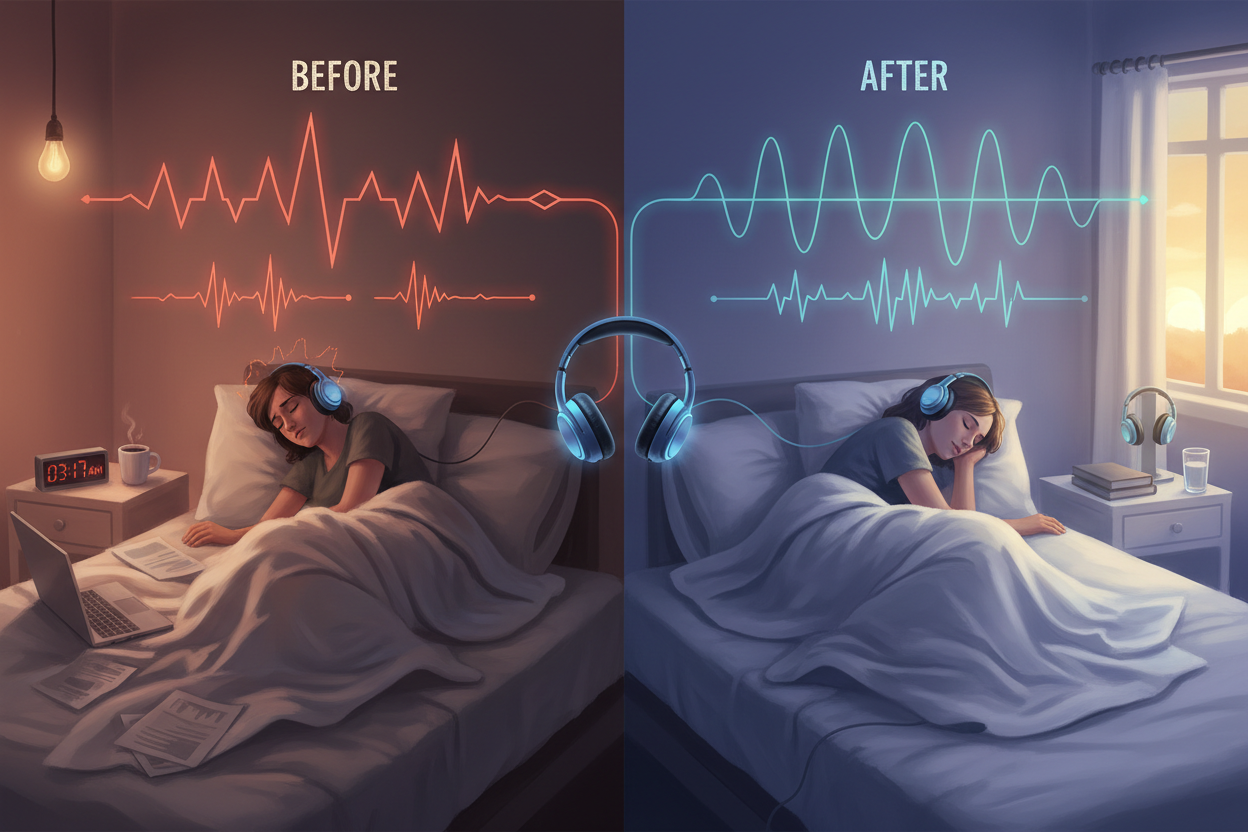
I remember when I first discovered brainwave entrainment about three years ago. I was going through a particularly stressful period at work, and my sleep had become erratic and unsatisfying. A friend mentioned how she’d started using binaural beats before bed, and honestly, I was skeptical. But after just one week of consistent practice, I noticed a remarkable difference in how quickly I fell asleep and how refreshed I felt in the morning.
Creating a brainwave entrainment ritual before bed isn’t just about playing some sounds and hoping for the best. It’s about understanding your brain’s natural rhythms and gently guiding them toward a state that promotes deep, restorative sleep. In this comprehensive guide, we’ll explore everything you need to know to create your own personalized bedtime ritual that harnesses the power of brainwave entrainment.
What is Brainwave Entrainment?
Brainwave entrainment is a method of stimulating the brain into entering a specific state by using rhythmic stimuli. Think of it as a gentle nudge that encourages your brainwaves to sync up with external audio or visual cues. This phenomenon, known as the “frequency following response,” is your brain’s natural tendency to align its electrical activity with repetitive sensory input.
Our brains naturally produce different types of brainwaves throughout the day, each associated with different states of consciousness. When we’re alert and focused, we produce beta waves (13-30 Hz). As we begin to relax, alpha waves (8-13 Hz) take over. Theta waves (4-8 Hz) dominate during light sleep and deep meditation, while delta waves (0.5-4 Hz) are present during deep, dreamless sleep.
The beauty of brainwave entrainment lies in its ability to help us transition between these states more smoothly. Instead of lying in bed with a beta-wave-dominated mind that’s still processing the day’s events, we can use specific audio frequencies to guide our brains toward the theta and delta states that promote quality sleep.
The Science Behind Bedtime Brainwave Entrainment
Research into brainwave entrainment has shown promising results for sleep improvement. A study published in the Journal of Sleep Research found that participants who used binaural beats before bed experienced improved sleep quality and reduced sleep onset time. The key lies in understanding how our circadian rhythms work and how external stimuli can influence our natural sleep-wake cycle.
When we expose our brains to consistent rhythmic stimuli, particularly in the theta and delta frequency ranges, we’re essentially training our nervous system to shift into a more relaxed state. This process activates the parasympathetic nervous system – our body’s “rest and digest” mode – while simultaneously reducing the activity of the sympathetic nervous system responsible for our “fight or flight” response.
What makes this particularly effective for sleep is that brainwave entrainment doesn’t just mask sleep problems; it addresses them at a neurological level. By regularly practicing brainwave entrainment before bed, you’re teaching your brain to recognize and respond to cues that signal it’s time to wind down.
Essential Components of a Pre-Sleep Brainwave Ritual
Creating an effective brainwave entrainment ritual involves more than just putting on headphones and pressing play. The most successful rituals incorporate several key elements that work together to signal to your brain and body that it’s time to transition into sleep mode.
Environmental preparation plays a crucial role in the effectiveness of your ritual. Your bedroom should be cool, dark, and free from distractions. I’ve found that dimming the lights about an hour before starting my ritual helps prime my brain for the transition. Consider using blackout curtains or an eye mask to eliminate visual stimuli that might compete with your brainwave entrainment audio.
Consistency is another vital component. Your brain thrives on routine, and establishing a regular bedtime ritual helps reinforce the neural pathways associated with sleep preparation. Try to begin your ritual at the same time each night, allowing your circadian rhythm to anticipate and prepare for this transition period.
The duration of your ritual matters too. While some people find success with 15-20 minute sessions, others prefer longer 45-60 minute rituals. Start with shorter sessions and gradually increase the duration as you become more comfortable with the practice.
Step-by-Step Guide to Creating Your Ritual
Building your personal brainwave entrainment ritual is a process that should be tailored to your specific needs and preferences. Here’s a comprehensive approach that you can adapt based on what works best for you.
Begin by establishing your ritual space about 30-60 minutes before your intended sleep time. Turn off electronic devices, dim the lights, and ensure your bedroom temperature is comfortable – typically between 65-68 degrees Fahrenheit works best for most people.
Start with a brief mindfulness or breathing exercise to help transition your mind from the day’s activities. Spend 5-10 minutes focusing on your breath, allowing thoughts to come and go without judgment. This preliminary step helps clear mental clutter and makes your brain more receptive to the entrainment process.
Next, get comfortable in your bed or a relaxing chair. Put on your headphones or position your speakers appropriately. The key here is comfort – you don’t want physical discomfort to distract from the entrainment process. I personally prefer lying on my back with my arms at my sides, but find the position that feels most natural for you.
Begin your chosen brainwave entrainment audio, starting with theta frequencies (4-8 Hz) for the first portion of your session. Allow yourself to focus on the sounds without trying to force relaxation. The entrainment will happen naturally as your brain begins to sync with the frequencies.
As your session progresses, you might transition to delta frequencies (0.5-4 Hz) to encourage deeper relaxation and prepare for sleep. Many people find that a gradual transition from theta to delta over the course of 20-30 minutes provides the most effective results.
Best Brainwave Frequencies for Sleep
Understanding which frequencies to use at different stages of your bedtime ritual can significantly impact its effectiveness. Each brainwave frequency serves a specific purpose in the journey from wakefulness to deep sleep.
Alpha frequencies (8-13 Hz) are excellent for beginning your wind-down process. These frequencies promote a state of relaxed awareness – you’re still conscious and alert, but your mind begins to quiet down. If you’re someone who struggles with racing thoughts at bedtime, starting with alpha frequencies can help bridge the gap between your active day and your sleep preparation.
Theta frequencies (4-8 Hz) represent the sweet spot for most sleep preparation rituals. This is the frequency range associated with deep relaxation, meditation, and the early stages of sleep. Spending the majority of your ritual in theta frequencies helps your brain practice the transition into sleep states while you’re still conscious enough to benefit from the experience.
Delta frequencies (0.5-4 Hz) are the ultimate goal for deep, restorative sleep. While you typically won’t be conscious during true delta states, exposing your brain to these frequencies during your ritual can help program it to more easily access delta sleep throughout the night.
Many practitioners find success with what’s called a “frequency sweep” – gradually transitioning from higher frequencies to lower ones throughout their ritual. You might start with 10 Hz alpha waves, slowly decrease to 6 Hz theta, and finish with 2 Hz delta frequencies.
Tools and Technology for Brainwave Entrainment
The technology available for brainwave entrainment has evolved significantly in recent years, offering options for every budget and preference level. Understanding your choices can help you select the tools that will make your ritual most effective and enjoyable.
Binaural beats remain one of the most popular and accessible forms of brainwave entrainment. These work by playing slightly different frequencies in each ear – for example, 200 Hz in the left ear and 210 Hz in the right ear creates a perceived 10 Hz beat frequency in your brain. Quality headphones are essential for binaural beats, as speakers won’t produce the same effect.
Isochronic tones offer an alternative that doesn’t require headphones. These are single tones that turn on and off at specific intervals, creating a pulsing effect that can entrain your brainwaves. Many people find isochronic tones more noticeable than binaural beats, which can be helpful if you’re new to brainwave entrainment.
Monaural beats combine two frequencies before they reach your ears, creating an audible beating sound. Like isochronic tones, these don’t require headphones and can be effective for brainwave entrainment, though they’re generally considered less subtle than binaural beats.
Modern apps and devices have made brainwave entrainment more accessible than ever. Popular apps like Brain.fm, Noisli, and Insight Timer offer high-quality entrainment audio specifically designed for sleep. Some devices, like the Muse headband or NeuroSky products, provide real-time feedback about your brainwave states, allowing you to see how effectively your ritual is working.
Common Mistakes to Avoid
Even with the best intentions, it’s easy to make mistakes that can undermine the effectiveness of your brainwave entrainment ritual. Being aware of these common pitfalls can help you create a more successful practice from the start.
One of the most frequent mistakes is expecting immediate results. While some people notice improvements after just a few sessions, brainwave entrainment is typically most effective when practiced consistently over several weeks. Your brain needs time to learn new patterns, so patience is crucial during the initial stages of your practice.
Another common error is using volumes that are too loud. Brainwave entrainment works through subtle neurological processes, not through overwhelming your auditory system. The audio should be clearly audible but comfortable – roughly the volume level you’d use for relaxing background music.
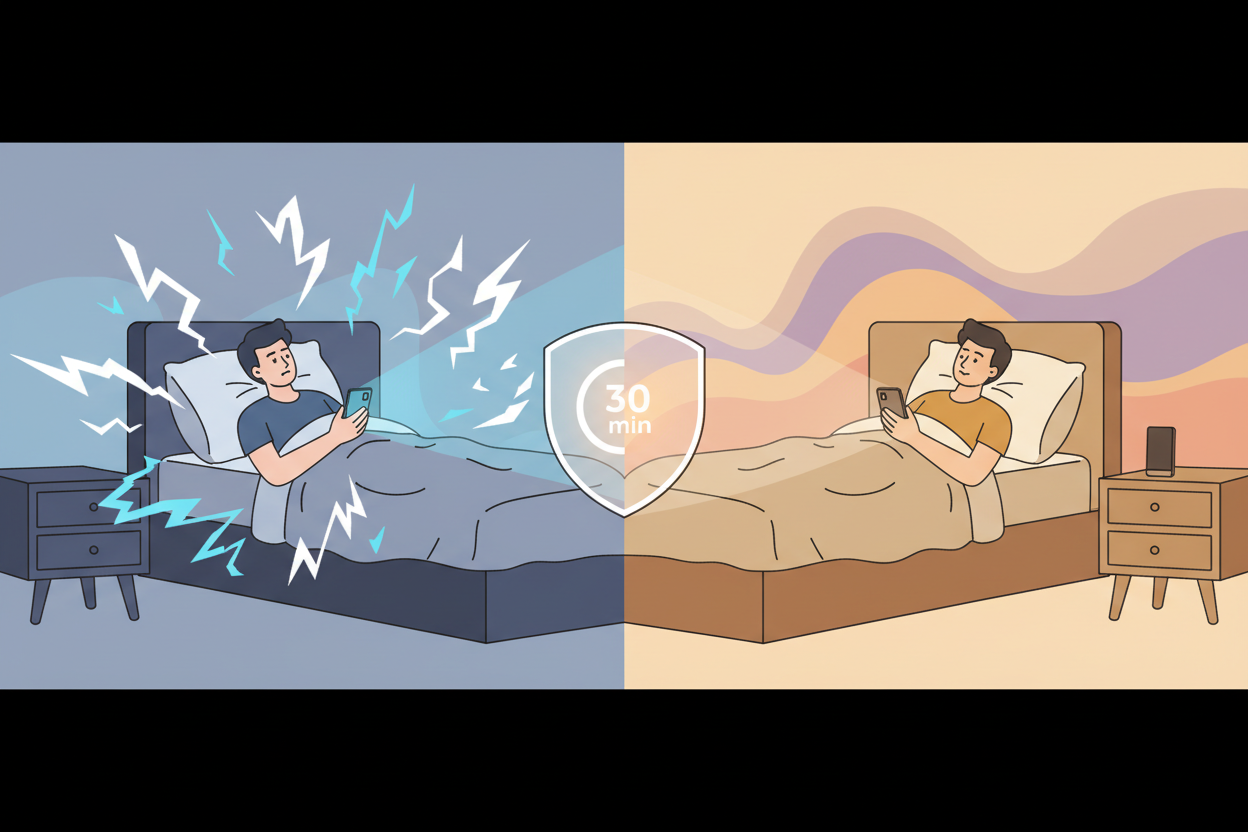
Many people also make the mistake of checking their phone or engaging with stimulating content immediately before or after their ritual. The blue light from screens can interfere with melatonin production, and engaging content can reactivate the very mental states you’re trying to calm. Create a buffer zone of at least 30 minutes before and after your ritual where you avoid screens and stimulating activities.
Inconsistency in timing can also reduce effectiveness. While life sometimes interferes with our ideal schedules, try to maintain as regular a ritual time as possible. Your circadian rhythm responds best to predictable patterns, and irregular timing can confuse your body’s natural sleep-wake cycle.
Measuring Your Success
Tracking the effectiveness of your brainwave entrainment ritual helps you understand what’s working and what might need adjustment. Since sleep quality is subjective and influenced by many factors, it’s helpful to monitor multiple indicators of success.
Keep a simple sleep journal noting factors like how long it took you to fall asleep, how many times you woke during the night, and how refreshed you felt in the morning. Rate these on a simple 1-10 scale to track trends over time. I’ve found that even basic tracking reveals patterns I wouldn’t have noticed otherwise.
Pay attention to your daytime energy levels and mood. Quality sleep should translate into better daytime functioning, so improvements in focus, emotional regulation, and physical energy can all indicate that your ritual is working effectively.
Consider using sleep tracking technology if you’re interested in more objective data. Devices like fitness trackers or smartphone apps can provide insights into your sleep cycles, though remember that these tools aren’t perfectly accurate and should supplement, not replace, your subjective assessment of sleep quality.
Most importantly, be patient with the process. Some people notice improvements within a few days, while others may take several weeks to see significant changes. The key is consistency and gradual refinement of your approach based on what you observe.
Frequently Asked Questions
Q: How long should I practice brainwave entrainment before expecting results?
A: Most people begin to notice some improvements within 1-2 weeks of consistent practice, though significant changes often take 4-6 weeks. The key is regular, nightly practice rather than sporadic use.
Q: Is it safe to use brainwave entrainment every night?
A: Yes, brainwave entrainment is generally considered safe for nightly use. However, if you have a history of seizures or other neurological conditions, consult with a healthcare provider before beginning any brainwave entrainment practice.
Q: Can I use brainwave entrainment if I take sleep medications?
A: Brainwave entrainment can often complement sleep medications, but you should discuss this with your doctor or pharmacist to ensure there are no contraindications with your specific medications.
Q: What’s the difference between binaural beats and isochronic tones for sleep?
A: Binaural beats require headphones and work by playing different frequencies in each ear, while isochronic tones are pulsing single tones that don’t require headphones. Both can be effective for sleep entrainment, though some people find one more comfortable or noticeable than the other.
Q: Should I continue the audio throughout the entire night?
A: Most practitioners use brainwave entrainment only during their pre-sleep ritual, typically 15-60 minutes before intending to fall asleep. Continuing audio throughout the night isn’t necessary and might actually interfere with natural sleep cycles.
Q: Can children use brainwave entrainment for sleep?
A: While brainwave entrainment can be safe for children, it’s best to consult with a pediatrician before introducing any sleep aids, including audio-based interventions, for children under 12.
Creating a brainwave entrainment ritual before bed represents a natural, non-invasive approach to improving sleep quality that works with your brain’s existing mechanisms rather than against them. The beauty of this practice lies not just in its potential effectiveness, but in how it encourages you to create a mindful, intentional transition between your active day and restorative night.
Remember that developing an effective ritual is a personal journey. What works perfectly for one person might need modification for another. Start with the basic framework outlined here, but don’t hesitate to adjust timing, frequencies, or techniques based on your own experience and preferences.
The investment you make in creating and maintaining a consistent brainwave entrainment ritual can pay dividends far beyond just better sleep. Many practitioners report improvements in daytime focus, emotional regulation, and overall well-being as their sleep quality improves. In our fast-paced, always-connected world, taking time each evening to consciously guide your brain toward rest isn’t just beneficial – it’s essential for long-term health and happiness.
As you begin or refine your own practice, be patient with yourself and trust the process. Your brain has an remarkable capacity to learn and adapt, and with consistent practice, your bedtime brainwave entrainment ritual can become one of the most valuable tools in your wellness toolkit.