
The Role of Brainwave Synchronization in Relationships: How Our Minds Connect on a Deeper Level
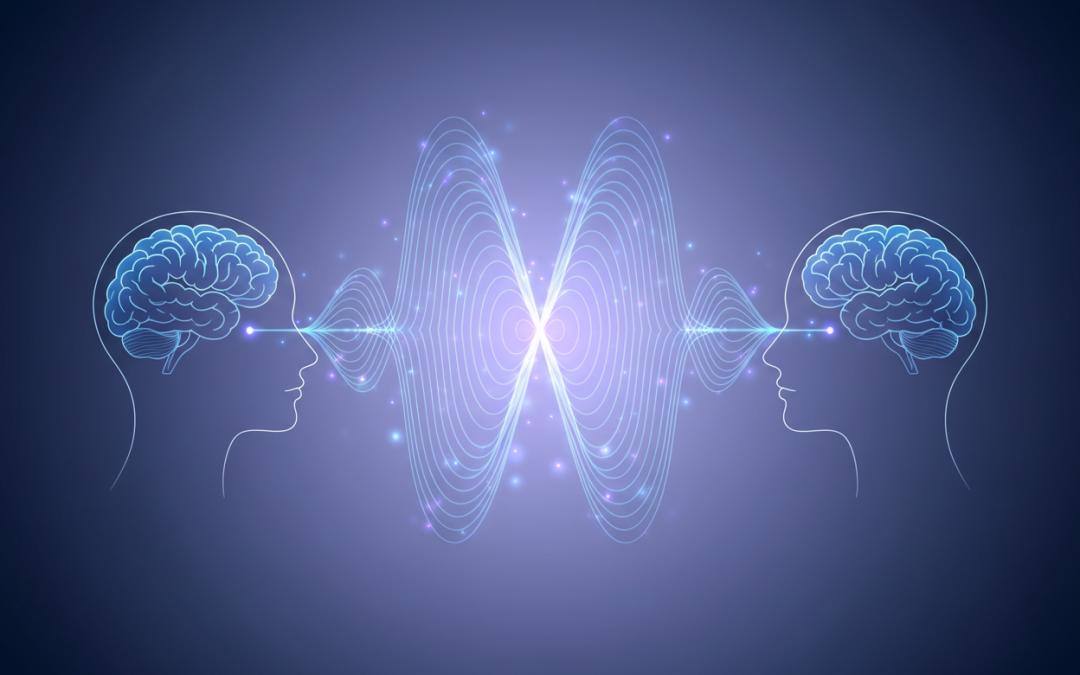
Have you ever wondered why you feel so perfectly in sync with certain people while others just don’t seem to “get” you? The answer might lie in something far more fascinating than shared interests or personality compatibility. Recent neuroscience research has uncovered compelling evidence that our brains actually synchronize their electrical activity when we connect deeply with others, creating what scientists call “brainwave synchronization” or “neural coupling.”
This remarkable phenomenon suggests that the phrase “being on the same wavelength” isn’t just a metaphor – it’s a literal description of what happens in our brains when we form meaningful connections. Understanding how brainwave synchronization works in relationships can help us build stronger bonds, improve communication, and deepen our connections with the people who matter most to us.
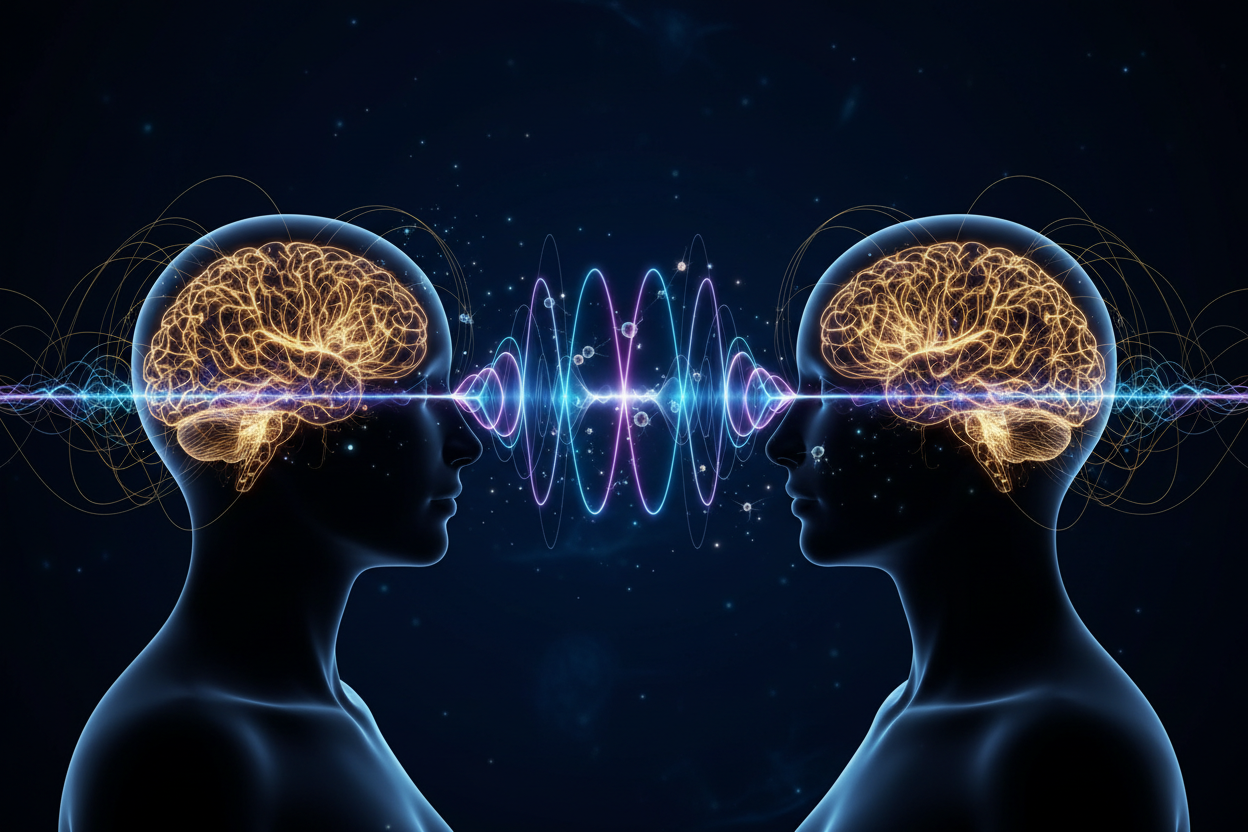
Table of Contents
1. What Is Brainwave Synchronization?
2. The Science Behind Neural Coupling in Relationships
3. How Brainwave Synchronization Affects Different Types of Relationships
4. Signs Your Brain Waves Are Syncing with Someone
5. Factors That Enhance Brainwave Synchronization
6. The Role of Mirror Neurons in Relationship Bonding
7. How to Improve Brainwave Synchronization in Your Relationships
8. Frequently Asked Questions
What Is Brainwave Synchronization?
Brainwave synchronization occurs when two or more people’s brain activity begins to match in frequency, amplitude, and phase. Think of it like two musicians playing in perfect harmony – their instruments create a unified sound that’s more beautiful than either could produce alone. Similarly, when our brains synchronize, we experience enhanced understanding, empathy, and connection with others.
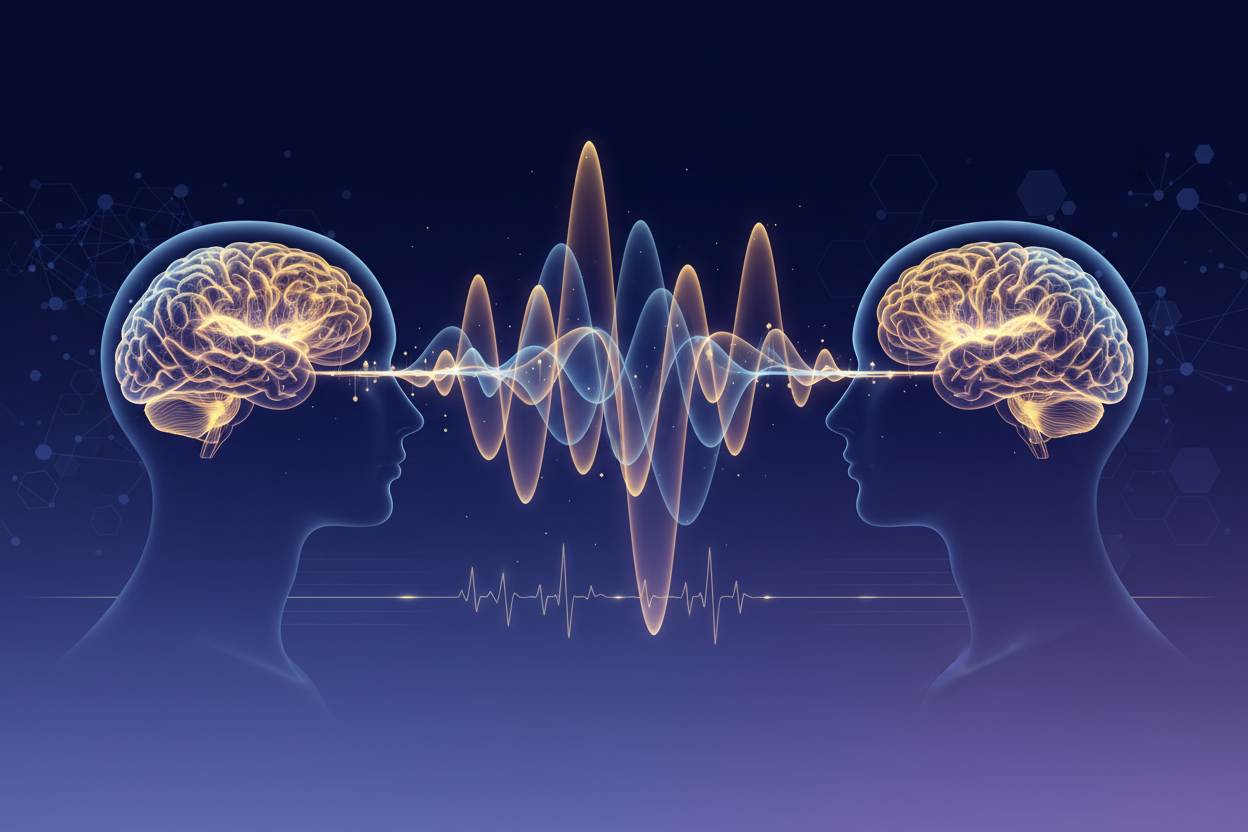
Our brains naturally produce electrical waves at different frequencies throughout the day. These brainwaves – including alpha, beta, theta, and gamma waves – correspond to different mental states like relaxation, focus, creativity, and deep concentration. When we interact closely with someone, particularly during meaningful conversations or shared experiences, our brainwaves can begin to mirror each other’s patterns.
This synchronization isn’t just a curious scientific observation; it has real implications for how we relate to others. Studies have shown that couples who display higher levels of brainwave synchronization report greater relationship satisfaction, better communication, and stronger emotional bonds.
The Science Behind Neural Coupling in Relationships
Researchers have used advanced neuroimaging techniques like EEG and fMRI to study how brains interact during social situations. What they’ve discovered is truly remarkable: when people engage in meaningful interactions, their neural activity becomes coordinated in ways that suggest genuine mind-to-mind connection.
One groundbreaking study conducted at Princeton University found that during storytelling, the listener’s brain activity began to mirror that of the storyteller. The more synchronized their brainwaves became, the better the listener understood and remembered the story. This suggests that successful communication literally involves our brains getting “in sync” with each other.
The phenomenon extends beyond just conversation. Research has shown that brainwave synchronization occurs during various relationship activities, including eye contact, physical touch, shared laughter, and even synchronized breathing. Each of these interactions can trigger neural coupling, creating a feedback loop that strengthens the bond between individuals.
Interestingly, the degree of synchronization often correlates with the quality of the relationship. Long-term couples, close friends, and family members tend to show higher levels of brainwave synchronization compared to strangers or acquaintances. This suggests that as relationships deepen over time, our brains literally become more attuned to each other.
How Brainwave Synchronization Affects Different Types of Relationships
The impact of neural coupling varies across different relationship types, each bringing its own unique patterns and benefits.
In romantic relationships, brainwave synchronization plays a crucial role in bonding and intimacy. Couples who show high levels of neural coupling often report feeling more emotionally connected and satisfied with their relationship. This synchronization can occur during intimate conversations, physical affection, and even during periods of comfortable silence. The phenomenon may explain why some couples seem to communicate without words or finish each other’s sentences.
Parent-child relationships also demonstrate fascinating patterns of brainwave synchronization. Research has shown that mothers and their infants can synchronize their brain activity during interactions like feeding, playing, and comforting. This early neural coupling may be fundamental to healthy attachment and emotional development. As children grow, this synchronization continues to play a role in learning, emotional regulation, and family bonding.
Friendships benefit from brainwave synchronization as well. Close friends often display synchronized neural activity during conversations and shared activities. This synchronization may contribute to the feeling of being truly understood by a friend and can enhance empathy, trust, and mutual support. The stronger the friendship, the more likely friends are to show synchronized brainwave patterns.
Even in professional relationships, neural coupling can enhance collaboration and team performance. Teams that work well together often show synchronized brain activity during problem-solving tasks and creative brainstorming sessions. This suggests that “team chemistry” has a literal neurological basis.
Signs Your Brain Waves Are Syncing with Someone
While we can’t directly observe brainwave synchronization without specialized equipment, there are several behavioral and emotional indicators that suggest neural coupling is occurring.
One of the most obvious signs is effortless conversation flow. When you’re truly in sync with someone, conversations feel natural and unforced. You might find yourself finishing each other’s sentences, having similar thoughts at the same time, or experiencing those moments where you both start speaking simultaneously about the same topic.
Emotional contagion is another strong indicator. When someone’s mood quickly influences your own – whether they’re excited, calm, sad, or energetic – it suggests your brains are synchronizing on an emotional level. You might notice that you naturally mirror their body language, speaking pace, or energy levels without conscious effort.
Shared timing and rhythm in interactions also suggest brainwave synchronization. This includes synchronized laughter, matching walking pace, or naturally falling into similar breathing patterns during close conversations. These physical synchronizations often reflect deeper neural coupling.
Perhaps most importantly, you’ll likely feel a sense of deep understanding and connection. When brainwaves are synchronized, people often report feeling truly “seen” and understood by the other person. There’s a quality of presence and attunement that goes beyond surface-level interaction.
Factors That Enhance Brainwave Synchronization
Several factors can promote or inhibit brainwave synchronization in relationships. Understanding these can help you create conditions that foster deeper connections.
Physical proximity plays a significant role in neural coupling. Being physically close to someone – whether sitting near each other, making eye contact, or engaging in gentle touch – can facilitate brainwave synchronization. This is one reason why in-person interactions often feel more connecting than virtual ones.
Focused attention is crucial for synchronization to occur. When both people are fully present and engaged in the interaction, without distractions from phones, television, or other activities, their brains are more likely to sync up. Quality time with undivided attention creates optimal conditions for neural coupling.
Emotional openness and vulnerability also enhance synchronization. When people share genuine emotions and authentic experiences, their brains become more attuned to each other. This is why deep, meaningful conversations often create stronger bonds than surface-level small talk.
Shared activities, particularly those that require coordination or cooperation, can promote brainwave synchronization. This includes activities like dancing, singing together, playing music, engaging in sports, or working on collaborative projects. The coordination required for these activities naturally encourages neural coupling.
Stress and negative emotions, on the other hand, can inhibit synchronization. When people are anxious, angry, or distracted, their brains are less likely to sync with others. Creating a calm, safe environment is important for fostering neural coupling.
The Role of Mirror Neurons in Relationship Bonding
Mirror neurons play a fascinating supporting role in brainwave synchronization and relationship bonding. These specialized brain cells fire both when we perform an action and when we observe someone else performing the same action. They’re essentially our brain’s way of creating internal simulations of other people’s experiences.
When mirror neurons activate during social interactions, they help us understand and empathize with others by literally mirroring their neural activity in our own brains. This creates a foundation for the broader synchronization patterns that strengthen relationships.
The mirror neuron system is particularly active during emotional exchanges. When we see someone smile, laugh, or express sadness, our mirror neurons help us internally experience a version of those emotions. This neural mirroring contributes to emotional contagion and empathy, which are key components of strong relationships.
Research suggests that people with more active mirror neuron systems tend to be more empathetic and better at reading social cues. They’re also more likely to experience brainwave synchronization with others, which may explain why some people seem naturally gifted at forming deep connections.
How to Improve Brainwave Synchronization in Your Relationships
While brainwave synchronization often occurs naturally, there are specific practices that can enhance neural coupling and deepen your connections with others.
Practice active listening by giving your full attention when someone is speaking. Put away distractions, make eye contact, and focus entirely on understanding their perspective. This level of attention creates optimal conditions for brainwave synchronization and makes the other person feel truly heard.
Engage in synchronized activities together. This could include breathing exercises, meditation, yoga, dancing, or even simple activities like walking in step with each other. These shared rhythmic activities naturally promote neural coupling.
Create regular opportunities for meaningful conversation. Set aside time for deep discussions about thoughts, feelings, dreams, and experiences. The more authentic and vulnerable these conversations are, the more likely you are to achieve brainwave synchronization.
Practice emotional attunement by paying attention to the other person’s emotional state and responding appropriately. This might involve matching their energy level during exciting moments or offering calm presence during difficult times.
Minimize distractions during important interactions. Turn off phones, televisions, and other devices that might interfere with your ability to be fully present with each other. Quality attention is essential for neural coupling.
Physical touch, when appropriate and consensual, can also enhance brainwave synchronization. Simple gestures like holding hands, hugging, or gentle touches during conversation can promote neural coupling and strengthen emotional bonds.
Conclusion
Brainwave synchronization represents one of the most fascinating aspects of human connection, revealing that our relationships involve literal mind-to-mind communication at the neural level. When we truly connect with others, our brains don’t just process the interaction – they actively synchronize their electrical activity, creating a shared neural experience that enhances understanding, empathy, and bonding.
Understanding this phenomenon can transform how we approach our relationships. By creating conditions that promote brainwave synchronization – through focused attention, emotional openness, shared activities, and physical presence – we can deepen our connections and experience more fulfilling relationships.
The next time you feel perfectly in sync with someone, remember that this isn’t just a feeling – it’s your brain literally harmonizing with theirs, creating the neurological foundation for some of life’s most meaningful experiences. In a world that often feels disconnected, the science of brainwave synchronization reminds us of our fundamental capacity for deep, authentic human connection.
Frequently Asked Questions
Can brainwave synchronization happen with multiple people at once?
Yes, research has shown that brainwave synchronization can occur among groups of people, particularly during shared experiences like listening to music, participating in group meditation, or engaging in team activities. However, the synchronization is typically strongest between pairs of individuals.
How long does it take for brainwave synchronization to occur?
Brainwave synchronization can begin within seconds of meaningful interaction, though deeper synchronization patterns may develop over minutes or hours of sustained connection. The speed depends on factors like the individuals’ relationship history, emotional state, and level of attention.
Is brainwave synchronization the same as emotional contagion?
While related, they’re not identical. Emotional contagion is one result of brainwave synchronization, but neural coupling encompasses broader patterns of brain activity beyond just emotional states, including cognitive processes and attention patterns.
Can brainwave synchronization be measured at home?
Consumer EEG devices exist, but they’re not sophisticated enough to accurately measure synchronization between individuals. Professional research requires specialized equipment and expertise to properly detect and analyze neural coupling patterns.
Does brainwave synchronization always indicate a positive relationship?
Not necessarily. While synchronization often correlates with positive relationships, it can also occur during negative interactions like arguments or conflicts. The key is that synchronization indicates engagement and connection, which can be either positive or negative in nature.