
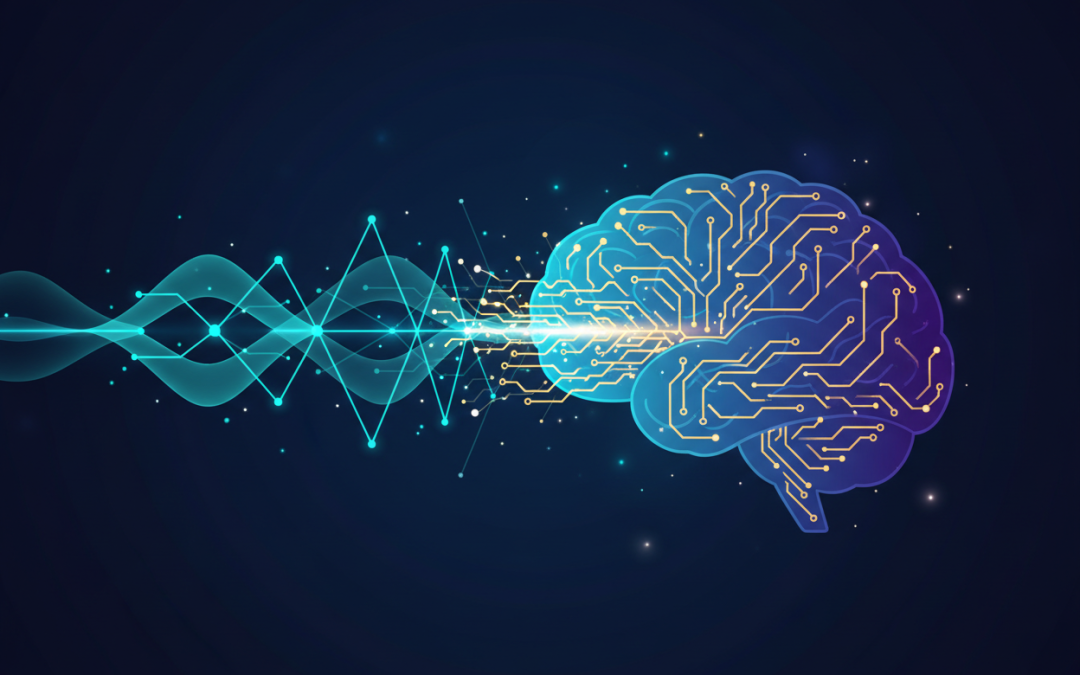
Brainwave Entrainment and Neuroplasticity: Can Sound Change Your Brain?
Table of Contents
1. Introduction: The Sound-Brain Connection
2. Understanding Brainwave Entrainment
3. The Science Behind Neuroplasticity
4. How Sound Frequencies Affect Neural Pathways
5. Types of Brainwave Entrainment
6. Real-World Applications and Benefits
7. Scientific Evidence and Research Findings
8. Practical Ways to Use Brainwave Entrainment
9. Potential Limitations and Considerations
10. Conclusion: The Future of Sound-Based Brain Training
11. Frequently Asked Questions
Introduction: The Sound-Brain Connection
Have you ever noticed how certain music can instantly transport you to a different mental state? Maybe classical music helps you focus while studying, or perhaps ocean waves make you feel incredibly relaxed. What if I told you that these experiences aren’t just psychological tricks, but actual physical changes happening in your brain?
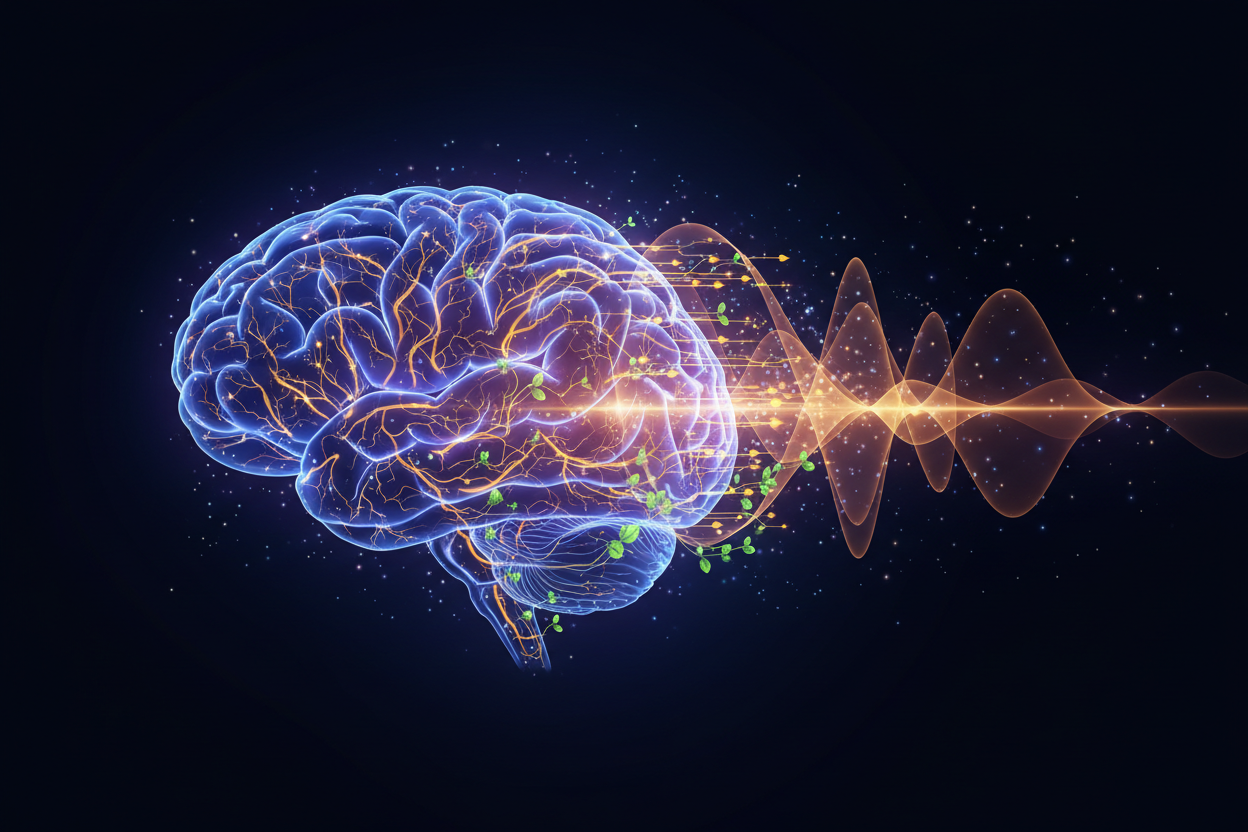
The fascinating intersection of brainwave entrainment and neuroplasticity suggests that specific sound frequencies can literally rewire our neural networks. This isn’t science fiction – it’s cutting-edge neuroscience that’s opening new doors for cognitive enhancement, stress reduction, and mental health treatment.
In this comprehensive exploration, we’ll dive deep into how sound waves can influence brainwave patterns and potentially create lasting changes in brain structure and function. Whether you’re a curious skeptic or someone looking for natural ways to optimize your mental performance, this journey into the world of sound-based brain modification will challenge everything you thought you knew about the limits of human consciousness.
Understanding Brainwave Entrainment
Brainwave entrainment, also known as neural entrainment or frequency following response, is a phenomenon where the brain synchronizes its electrical activity to match external rhythmic stimuli. Think of it as your brain’s natural tendency to “tune in” to repetitive sounds, lights, or vibrations in its environment.
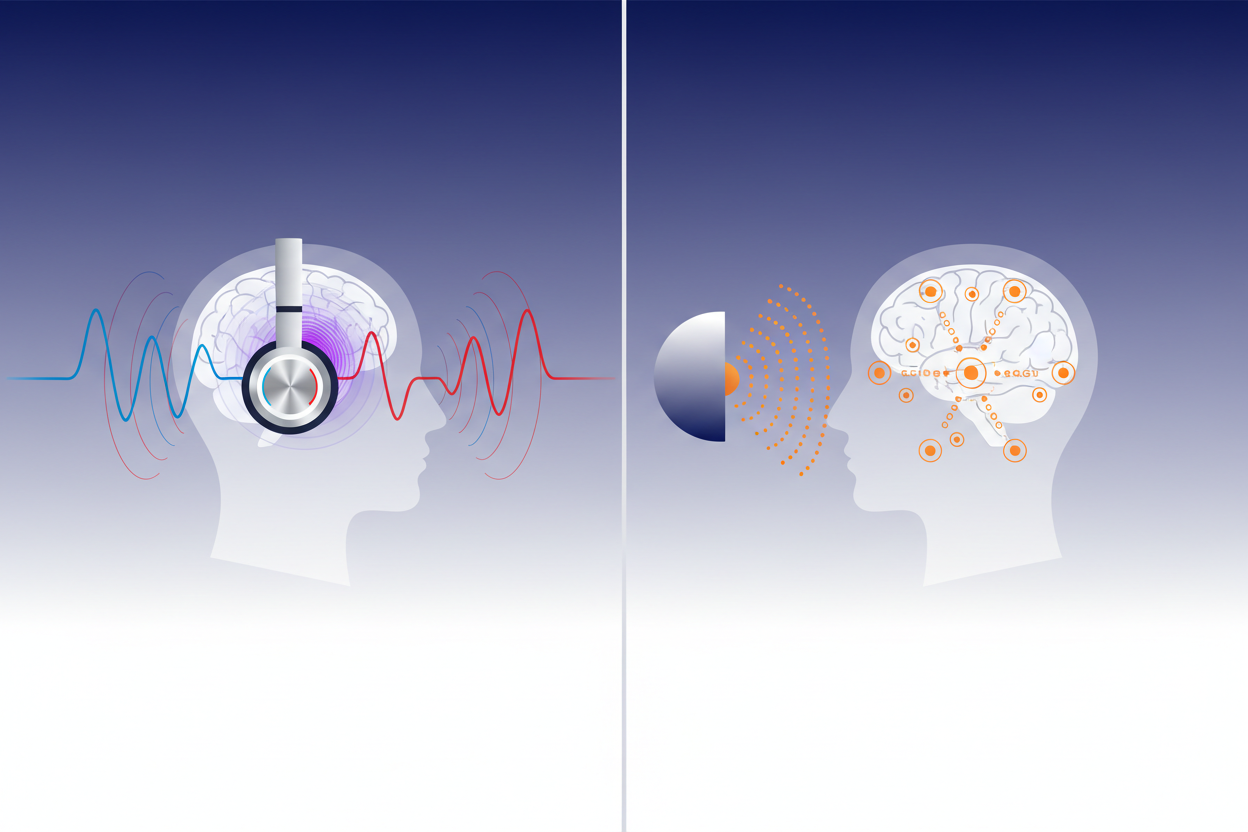
Your brain produces electrical impulses constantly, creating measurable brainwave patterns that correspond to different mental states. These patterns are typically categorized into five main frequency ranges:
Delta waves (0.5-4 Hz): Associated with deep sleep and regenerative processes
Theta waves (4-8 Hz): Linked to creativity, meditation, and REM sleep
Alpha waves (8-13 Hz): Present during relaxed awareness and light meditation
Beta waves (13-30 Hz): Dominant during active thinking and problem-solving
Gamma waves (30-100 Hz): Connected to heightened consciousness and cognitive processing
When you expose your brain to specific audio frequencies through techniques like binaural beats, isochronic tones, or monaural beats, your neural oscillations gradually begin to match these external rhythms. It’s similar to how multiple metronomes placed on a moveable surface will eventually synchronize their timing – your brain naturally seeks harmony with its acoustic environment.
The Science Behind Neuroplasticity
Neuroplasticity represents one of the most revolutionary discoveries in modern neuroscience. For decades, scientists believed that adult brains were essentially fixed structures, incapable of significant change after early development. We now know this couldn’t be further from the truth.
Your brain possesses an remarkable ability to reorganize itself throughout your entire life. New neural connections form constantly, existing pathways strengthen or weaken based on usage, and even entirely new neurons can be generated in certain brain regions. This adaptive capacity means that repeated experiences – including exposure to specific sound frequencies – can create measurable structural and functional changes in brain tissue.
The process works through several mechanisms. When neurons fire together repeatedly, the synaptic connections between them strengthen, following the principle “neurons that fire together, wire together.” Additionally, regular stimulation can trigger the release of brain-derived neurotrophic factor (BDNF), a protein that promotes neuron growth and survival.
This neuroplastic potential explains why musicians often show enlarged areas of the brain responsible for motor control and auditory processing, or why London taxi drivers develop larger hippocampi from navigating complex street layouts. The same principles apply to brainwave entrainment – consistent exposure to specific frequencies may gradually reshape neural networks in beneficial ways.
How Sound Frequencies Affect Neural Pathways
The relationship between sound and brain function operates through multiple pathways, creating a complex web of interactions that influence everything from mood to cognitive performance. When sound waves enter your ears, they’re converted into electrical signals that travel through various brain regions, triggering cascading effects throughout your nervous system.
The auditory cortex, located in the temporal lobe, serves as the primary processing center for sound information. However, it doesn’t work in isolation. Auditory signals connect to the limbic system, which controls emotions and memory formation, as well as the prefrontal cortex, responsible for executive functions like attention and decision-making.
Specific frequencies appear to preferentially activate certain neural networks. Low-frequency sounds often stimulate the parasympathetic nervous system, promoting relaxation and stress reduction. Higher frequencies may enhance alertness and cognitive performance by increasing activity in attention-related brain regions.
Research using neuroimaging techniques has revealed that brainwave entrainment can produce measurable changes in brain connectivity patterns. Regular exposure to alpha-frequency sounds, for example, has been shown to increase coherence between different brain regions, potentially improving overall cognitive efficiency and emotional regulation.
Types of Brainwave Entrainment
Several distinct methods exist for achieving brainwave entrainment, each with unique characteristics and applications. Understanding these different approaches can help you choose the most appropriate technique for your specific goals.
Binaural Beats: Perhaps the most well-known form of brainwave entrainment, binaural beats involve playing slightly different frequencies in each ear. Your brain perceives the mathematical difference between these frequencies as a rhythmic beating pattern. For instance, playing 200 Hz in one ear and 210 Hz in the other creates a perceived 10 Hz beat frequency that can encourage alpha wave production.
Isochronic Tones: These consist of single tones that pulse on and off at regular intervals. Unlike binaural beats, isochronic tones don’t require headphones and may be more effective for some individuals. The distinct on-off pattern creates a clear rhythmic stimulus that the brain can easily follow.
Monaural Beats: Similar to binaural beats but mixed together before reaching your ears, monaural beats produce actual acoustic interference patterns rather than brain-generated perceptions. This makes them audible through speakers and potentially more accessible to people with hearing differences.
Rhythmic Drumming: Traditional cultures have long used repetitive drumming for inducing altered states of consciousness. Modern research confirms that steady drum beats, particularly around 4-7 Hz, can effectively entrain theta brainwaves associated with deep meditative states.
Real-World Applications and Benefits
The practical applications of brainwave entrainment extend far beyond academic curiosity, offering potential benefits for various aspects of daily life and health management. Healthcare professionals, educators, and individuals seeking personal development are increasingly exploring these sound-based interventions.
Stress Reduction and Anxiety Management: Alpha and theta frequency entrainment can activate the body’s relaxation response, reducing cortisol levels and promoting a sense of calm. Many people find that regular sessions help them manage chronic stress more effectively than traditional relaxation techniques alone.
Sleep Enhancement: Delta wave entrainment may help individuals with insomnia or poor sleep quality by encouraging the brain to enter deeper sleep states. Some studies suggest that listening to appropriate frequencies before bedtime can improve both sleep onset and sleep quality.
Cognitive Performance: Beta and gamma frequency stimulation might enhance focus, memory consolidation, and problem-solving abilities. Students and professionals often report improved concentration and mental clarity after incorporating brainwave entrainment into their routines.
Pain Management: Certain frequencies appear to influence pain perception by affecting neural pathways involved in processing discomfort. While not a replacement for medical treatment, brainwave entrainment may serve as a complementary approach for managing chronic pain conditions.
Meditation and Mindfulness: Theta wave entrainment can facilitate deeper meditative states, making it easier for beginners to experience the benefits of mindfulness practice. Experienced meditators also use these tools to explore different levels of consciousness.
Scientific Evidence and Research Findings
The scientific community has produced a growing body of research examining the effects of brainwave entrainment on brain function and behavior. While some studies show promising results, it’s important to approach the evidence with appropriate scientific skepticism and recognize areas where more research is needed.
A 2008 study published in the journal “Neuroscience Letters” found that participants exposed to 6 Hz binaural beats showed increased theta activity in EEG recordings, along with improved performance on creative tasks. This suggests that specific frequencies can indeed influence both brain state and cognitive function.
Research conducted at the Institute of HeartMath demonstrated that coherent heart rhythm patterns, which can be induced through specific breathing techniques combined with sound frequencies, correlate with improved emotional stability and cognitive performance. Their studies indicate that the effects extend beyond the immediate listening period, suggesting potential for lasting changes.
However, not all research has yielded positive results. Some studies have found minimal or inconsistent effects from brainwave entrainment, highlighting the importance of individual differences and proper methodology. Factors such as baseline brain activity, attention level during sessions, and individual sensitivity to auditory stimuli all appear to influence outcomes.
A meta-analysis of brainwave entrainment studies published in “Psychological Research” concluded that while evidence exists for acute effects on brain activity, more rigorous long-term studies are needed to establish definitive claims about neuroplastic changes and lasting benefits.
Practical Ways to Use Brainwave Entrainment
Incorporating brainwave entrainment into your daily routine doesn’t require expensive equipment or extensive training. With the right approach and realistic expectations, you can begin exploring these techniques immediately.
Getting Started: Begin with short sessions of 10-15 minutes to assess your individual response. Use high-quality headphones for binaural beats, but speakers work fine for isochronic tones and other methods. Find a quiet, comfortable environment where you won’t be interrupted.
Timing Considerations: Different frequencies are appropriate for different times of day and activities. Use alpha frequencies (8-13 Hz) for relaxation and light meditation, beta frequencies (13-30 Hz) for focus and productivity, and delta frequencies (0.5-4 Hz) for sleep preparation.
Consistency Matters: Like any brain training technique, regular practice appears more beneficial than occasional sessions. Aim for daily practice, even if only for brief periods, rather than longer but infrequent sessions.
Combining with Other Practices: Brainwave entrainment often works synergistically with meditation, deep breathing exercises, or progressive muscle relaxation. Experiment with different combinations to find what works best for your goals.
Tracking Your Progress: Keep a simple journal noting your mental state before and after sessions, along with any changes in sleep quality, stress levels, or cognitive performance over time. This can help you identify which frequencies and methods are most effective for your individual needs.
Potential Limitations and Considerations
While brainwave entrainment shows promise as a non-invasive intervention for various conditions, it’s crucial to understand its limitations and approach it with realistic expectations.
Individual Variability: People respond differently to brainwave entrainment based on factors including baseline brain activity, hearing sensitivity, and neurological differences. What works dramatically for one person may have minimal effect on another.
Temporary vs. Permanent Changes: Most research focuses on immediate effects during or shortly after entrainment sessions. While some studies suggest potential for lasting changes with regular practice, more research is needed to confirm long-term neuroplastic modifications.
Safety Considerations: Generally considered safe for healthy individuals, brainwave entrainment may not be appropriate for people with certain medical conditions. Those with epilepsy, seizure disorders, or serious mental health conditions should consult healthcare providers before beginning any entrainment practice.
Placebo Effects: Some reported benefits may result from expectation and relaxation rather than specific frequency effects. This doesn’t invalidate positive experiences but suggests the importance of well-designed research to separate specific from general effects.
Quality and Source Matters: The proliferation of brainwave entrainment apps and recordings means quality varies significantly. Look for products based on scientific research and created by reputable sources rather than making exaggerated claims.
Conclusion: The Future of Sound-Based Brain Training
The intersection of brainwave entrainment and neuroplasticity represents a fascinating frontier in our understanding of how environmental stimuli can influence brain function. While we’re still uncovering the full potential of these techniques, current evidence suggests that sound frequencies can indeed produce measurable changes in neural activity and may contribute to lasting modifications in brain structure and function.
As technology advances and our understanding of the brain deepens, we can expect more sophisticated applications of brainwave entrainment. Personalized frequency protocols based on individual brain patterns, combined approaches integrating multiple sensory modalities, and real-time feedback systems may enhance the effectiveness of these interventions.
The key lies in maintaining scientific rigor while remaining open to the possibilities these techniques offer. Whether you’re seeking stress relief, cognitive enhancement, or simply curious about the power of sound to influence consciousness, brainwave entrainment provides a accessible and intriguing avenue for exploration.
Remember that like any tool for personal development, brainwave entrainment works best as part of a holistic approach to health and well-being. Combined with proper sleep, regular exercise, good nutrition, and other evidence-based practices, it may serve as a valuable addition to your toolkit for optimizing mental performance and emotional balance.
Frequently Asked Questions
Q: How long does it take to see results from brainwave entrainment?
A: Many people report immediate effects such as relaxation or increased focus during or shortly after sessions. However, more substantial changes in cognitive performance or stress resilience typically require consistent practice over several weeks to months.
Q: Is brainwave entrainment safe for everyone?
A: While generally safe for healthy individuals, people with epilepsy, seizure disorders, or certain mental health conditions should consult healthcare providers before using brainwave entrainment techniques. Pregnant women should also seek medical advice before beginning any new wellness practice.
Q: Do I need special equipment for brainwave entrainment?
A: High-quality headphones are recommended for binaural beats, but many forms of brainwave entrainment work effectively through regular speakers. The most important factors are consistent audio quality and a quiet environment for practice.
Q: Can brainwave entrainment replace medication or therapy?
A: No, brainwave entrainment should not be considered a replacement for professional medical treatment or therapy. It may serve as a complementary practice alongside conventional treatments, but always consult healthcare providers for serious medical or mental health concerns.
Q: What’s the difference between binaural beats and isochronic tones?
A: Binaural beats require headphones and work by playing different frequencies in each ear, while isochronic tones consist of single tones that pulse on and off and can be played through speakers. Some research suggests isochronic tones may be more effective for entrainment, but individual responses vary.
Q: How often should I practice brainwave entrainment?
A: Daily practice of 10-30 minutes appears most beneficial, though even shorter sessions can be helpful. Consistency is more important than duration, so regular brief sessions are preferable to occasional longer ones.