
Using Brainwave Entrainment for Pre-Surgery Anxiety: A Natural Path to Calm
Table of Contents
1. What is Pre-Surgery Anxiety?
2. Understanding Brainwave Entrainment
3. How Brainwave Entrainment Helps with Surgery Anxiety
4. Types of Brainwave Entrainment for Anxiety Relief
5. Scientific Evidence Supporting Brainwave Entrainment
6. How to Use Brainwave Entrainment Before Surgery
7. Best Practices and Safety Considerations
8. Combining Brainwave Entrainment with Other Anxiety Management Techniques
9. Frequently Asked Questions
Facing surgery can feel overwhelming. Your mind races with “what-ifs,” your heart pounds faster than usual, and sleep becomes elusive. If this sounds familiar, you’re not alone. Pre-surgery anxiety affects millions of people worldwide, but there’s a fascinating solution that’s gaining recognition in medical circles: brainwave entrainment.
This innovative approach harnesses the power of your brain’s natural rhythms to promote relaxation and reduce anxiety without medication. Whether you’re scheduled for a minor procedure or major surgery, understanding how brainwave entrainment works could be the key to transforming your pre-operative experience from one of fear to one of calm confidence.
What is Pre-Surgery Anxiety?
Pre-surgery anxiety, also known as preoperative anxiety, is a natural stress response that occurs when facing an upcoming surgical procedure. It’s your body’s way of responding to perceived threats, even when you logically understand that surgery is necessary for your health.
This type of anxiety manifests differently for everyone. Some people experience racing thoughts about potential complications, while others struggle with physical symptoms like rapid heartbeat, sweating, or digestive issues. You might find yourself unable to concentrate at work or lying awake at night, replaying surgical scenarios in your mind.
The intensity of pre-surgery anxiety often correlates with factors like the complexity of the procedure, previous medical experiences, and individual personality traits. What many people don’t realize is that this anxiety can actually impact surgical outcomes, potentially affecting everything from anesthesia requirements to recovery time.
Traditional approaches to managing pre-surgery anxiety typically involve anti-anxiety medications or counseling sessions. While these methods can be effective, they’re not suitable for everyone and may come with unwanted side effects. This is where brainwave entrainment offers an appealing alternative.
Understanding Brainwave Entrainment
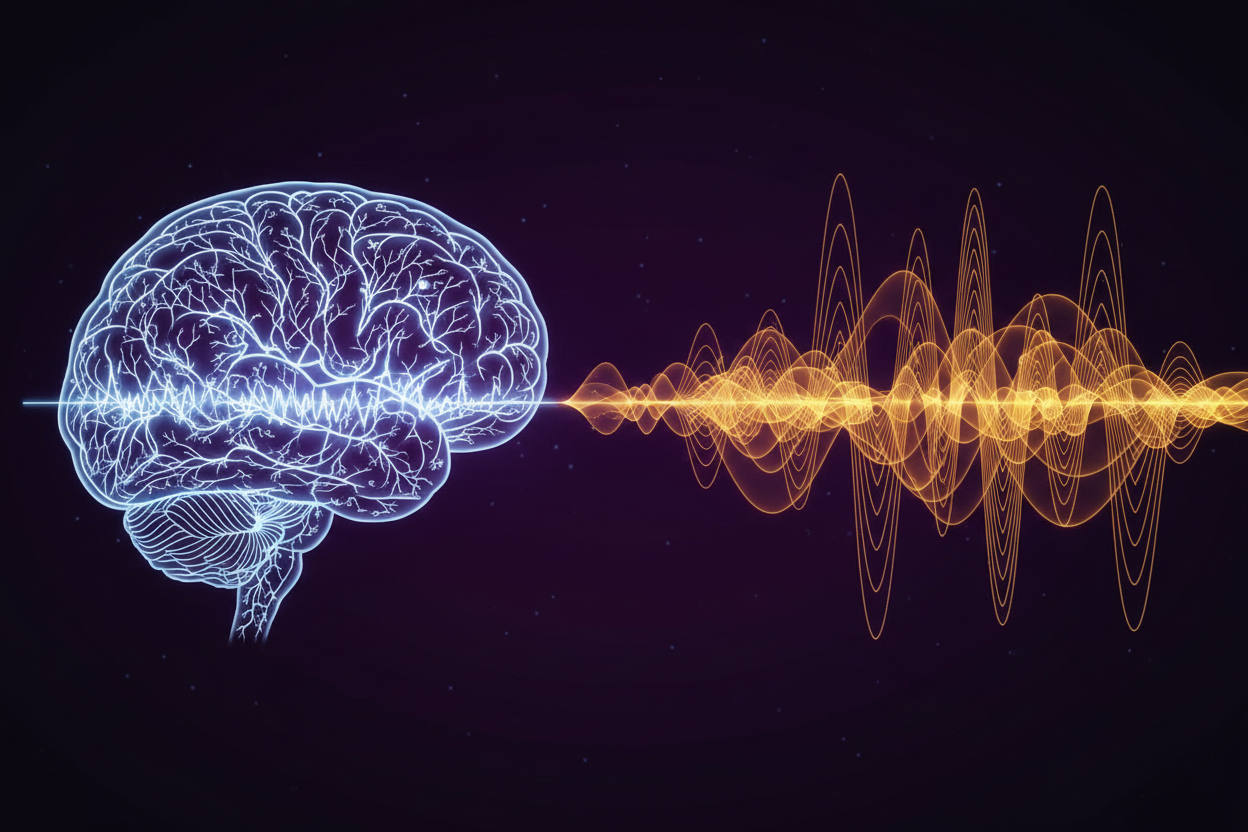
Brainwave entrainment might sound like science fiction, but it’s actually based on well-established neuroscience principles. Your brain naturally produces electrical activity that creates measurable patterns called brainwaves. These waves correspond to different states of consciousness, from deep sleep to high alertness.
The fascinating part is that your brain has a tendency to synchronize with external rhythmic stimuli. This phenomenon, called the “frequency following response,” is the foundation of brainwave entrainment. When you expose your brain to specific audio or visual patterns, it gradually adjusts its own electrical activity to match those patterns.
Think of it like a musical tuning fork. When you strike one tuning fork near another, the second fork begins vibrating at the same frequency. Your brain works similarly when presented with consistent rhythmic input through specially designed audio tracks or light patterns.
There are several main types of brainwaves, each associated with different mental states. Beta waves (14-30 Hz) are linked to normal waking consciousness and active thinking. Alpha waves (8-14 Hz) correspond to relaxed awareness and light meditation. Theta waves (4-8 Hz) are associated with deep relaxation and creativity, while delta waves (0.5-4 Hz) occur during deep sleep.
How Brainwave Entrainment Helps with Surgery Anxiety
When you’re anxious about surgery, your brain typically operates in higher frequency ranges, particularly beta waves. This state keeps your mind active and alert but can also fuel worry and stress. Brainwave entrainment works by gently guiding your brain toward lower frequency states associated with relaxation and calm.
The process begins almost immediately when you start listening to entrainment audio. Within minutes, many people report feeling more relaxed as their brain begins synchronizing with the calming frequencies. This isn’t just subjective – researchers can measure these changes using EEG equipment.
What makes brainwave entrainment particularly effective for pre-surgery anxiety is its ability to address both the mental and physical aspects of stress. As your brainwaves shift toward more relaxed patterns, your nervous system responds accordingly. Heart rate typically decreases, breathing becomes deeper and more regular, and muscle tension begins to release.
The beauty of this approach lies in its natural mechanism. You’re not introducing foreign substances into your body or relying on external interventions. Instead, you’re working with your brain’s innate ability to self-regulate, simply providing it with the right guidance to achieve a calmer state.
Types of Brainwave Entrainment for Anxiety Relief
Several different methods can achieve brainwave entrainment, each with unique characteristics and benefits. Understanding these options helps you choose the approach that resonates most with your preferences and lifestyle.
Binaural beats represent the most popular form of brainwave entrainment. This technique involves playing slightly different frequencies in each ear through headphones. Your brain perceives the mathematical difference between these frequencies as a rhythmic beating pattern. For example, if one ear receives a 200 Hz tone and the other receives 210 Hz, your brain processes a 10 Hz beat frequency.
Isochronic tones offer another effective approach. These are evenly spaced tone pulses that turn on and off rapidly, creating a distinct rhythmic pattern. Unlike binaural beats, isochronic tones don’t require headphones and can be effective through regular speakers, making them more convenient for some users.
Monaural beats combine two frequencies before they reach your ears, creating an actual beating sound rather than a perceived one. This method tends to produce stronger entrainment effects than binaural beats and works well for people who have difficulty with other techniques.
Light-based entrainment uses flashing lights or LED patterns to achieve similar effects through visual stimulation. Some people respond better to visual entrainment, particularly those who are hearing impaired or prefer not to use audio methods.
Scientific Evidence Supporting Brainwave Entrainment
The effectiveness of brainwave entrainment for anxiety reduction isn’t just anecdotal – it’s supported by growing scientific research. Multiple studies have demonstrated measurable changes in brain activity, stress hormones, and anxiety levels following entrainment sessions.
A significant study published in the Journal of Medical Internet Research found that participants using binaural beats showed reduced anxiety levels and improved mood compared to control groups. The researchers noted that these effects occurred relatively quickly, often within the first session.
Another compelling research project examined the use of brainwave entrainment specifically in medical settings. Patients who used entrainment techniques before medical procedures showed lower cortisol levels (a key stress hormone) and reported feeling more relaxed and confident about their upcoming treatments.
Neuroimaging studies have provided fascinating insights into how brainwave entrainment actually changes brain function. Researchers using fMRI technology have observed increased activity in brain regions associated with relaxation and decreased activity in areas linked to anxiety and stress processing.
What’s particularly encouraging is that these benefits appear to be cumulative. People who use brainwave entrainment regularly often report improved stress management and emotional regulation even when they’re not actively using the technique.
How to Use Brainwave Entrainment Before Surgery
Successfully incorporating brainwave entrainment into your pre-surgery routine requires some planning and consistency. The key is starting early enough to allow your brain time to adapt to the process and derive maximum benefit.
Ideally, begin using brainwave entrainment at least two weeks before your scheduled surgery. This timeline allows you to experiment with different techniques, find what works best for you, and establish a regular practice. Some people notice benefits immediately, while others need several sessions to experience significant anxiety reduction.
Create a comfortable environment for your entrainment sessions. Choose a quiet space where you won’t be interrupted, dim the lights, and ensure you’re physically comfortable. Many people prefer lying down, but sitting in a comfortable chair works equally well.
Start with shorter sessions, perhaps 15-20 minutes, and gradually increase the duration as you become more comfortable with the process. Most people find that 30-45 minute sessions provide optimal benefits for anxiety reduction.
Timing your sessions strategically can enhance their effectiveness. Many people benefit from morning sessions to start their day with reduced anxiety, while others prefer evening sessions to improve sleep quality. Experiment to find what works best for your schedule and anxiety patterns.
Consider using entrainment sessions both for general anxiety management and for specific visualization exercises. While listening to calming frequencies, you might visualize your surgery going smoothly, imagine yourself feeling calm and confident, or focus on positive post-surgery outcomes.
Best Practices and Safety Considerations
While brainwave entrainment is generally safe for most people, following best practices ensures you get the maximum benefit while minimizing any potential risks. Understanding these guidelines helps you use the technique effectively and responsibly.
Always use high-quality audio equipment when working with binaural beats or other audio-based entrainment. Poor quality headphones or speakers can distort the frequencies, reducing effectiveness. However, you don’t need expensive equipment – mid-range headphones that cover the full frequency spectrum work well.
Start with gentle frequencies and shorter sessions, especially if you’re new to brainwave entrainment. Some people experience mild headaches or dizziness when first beginning, particularly with more intense frequencies. These effects typically subside as you become accustomed to the process.
Certain individuals should exercise caution or avoid brainwave entrainment altogether. People with epilepsy, seizure disorders, or other neurological conditions should consult their healthcare provider before using any form of brainwave entrainment, particularly light-based methods.
Pregnant women and individuals with pacemakers or other implanted medical devices should also seek medical advice before beginning entrainment practices. While research suggests these techniques are generally safe, it’s always better to err on the side of caution.
Don’t use brainwave entrainment while driving, operating machinery, or engaging in activities that require full attention. The relaxing effects can reduce alertness and reaction times, potentially creating safety hazards.
Combining Brainwave Entrainment with Other Anxiety Management Techniques
Brainwave entrainment works exceptionally well as part of a comprehensive anxiety management strategy. Combining it with other proven techniques can amplify its benefits and provide you with multiple tools for managing pre-surgery stress.
Deep breathing exercises pair naturally with brainwave entrainment sessions. As you listen to calming frequencies, focus on slow, deliberate breathing patterns. This combination engages both your auditory processing and your autonomic nervous system, creating a powerful synergistic effect.
Progressive muscle relaxation represents another excellent complement to entrainment work. While your brain synchronizes with relaxing frequencies, systematically tense and release different muscle groups throughout your body. This technique helps address the physical manifestations of anxiety while the entrainment works on mental aspects.
Meditation and mindfulness practices enhance the benefits of brainwave entrainment by training your mind to maintain calm states even without external assistance. Many people find that regular meditation makes them more responsive to entrainment techniques.
Guided imagery or visualization exercises work particularly well during entrainment sessions. The relaxed brain state induced by entrainment makes you more receptive to positive mental imagery, allowing you to rehearse successful surgical outcomes and recovery scenarios.
Don’t overlook the importance of basic self-care practices. Regular exercise, adequate sleep, proper nutrition, and limiting caffeine intake all support your overall stress management efforts and can make brainwave entrainment more effective.
Frequently Asked Questions
How long does it take for brainwave entrainment to work for anxiety?
Many people notice some level of relaxation within the first session, often within 10-15 minutes of beginning. However, significant anxiety reduction typically develops over several sessions. For pre-surgery anxiety, starting 2-3 weeks before your procedure allows time to experience full benefits.
Can I use brainwave entrainment the morning of my surgery?
Yes, many people find morning-of-surgery sessions particularly helpful for managing acute anxiety. However, inform your medical team about your use of relaxation techniques, as they may affect your baseline vital signs or medication requirements.
Are there any side effects of brainwave entrainment?
Most people experience no negative side effects. Some individuals may initially experience mild headaches, dizziness, or unusual dreams as their brain adjusts to the process. These effects typically resolve within a few sessions.
Do I need special equipment for brainwave entrainment?
For audio-based methods, you’ll need decent quality headphones or speakers. Many effective entrainment tracks are available through smartphone apps or online platforms. No expensive specialized equipment is required for basic practice.
Can brainwave entrainment replace anti-anxiety medication?
Brainwave entrainment should complement, not replace, prescribed medications without medical supervision. Always discuss any changes to your medication regimen with your healthcare provider, especially before surgery.
How often should I practice brainwave entrainment before surgery?
Daily sessions of 20-45 minutes typically provide the best results for anxiety management. However, even 3-4 sessions per week can be beneficial. Consistency is more important than frequency.
Will my surgeon approve of using brainwave entrainment?
Most healthcare providers support non-pharmaceutical anxiety management techniques. Inform your surgical team about your practices – they may be interested in the approach and can provide guidance on timing sessions around your procedure.
Pre-surgery anxiety doesn’t have to dominate your experience. Brainwave entrainment offers a natural, accessible way to calm your mind and prepare your body for the healing process ahead. By working with your brain’s natural rhythms, you can transform anxiety into confidence and fear into peaceful anticipation.
Remember that every person’s response to brainwave entrainment is unique. What works wonderfully for one individual might require adjustment for another. Be patient with yourself as you explore this technique, and don’t hesitate to experiment with different methods until you find your ideal approach.
The journey toward surgery can actually become an opportunity for personal growth and stress management skill development. Many people discover that the coping techniques they learn for managing pre-surgery anxiety serve them well in other areas of life, creating lasting benefits that extend far beyond their medical procedure.
As you prepare for your surgery, consider brainwave entrainment as one valuable tool in your anxiety management toolkit. Combined with good medical care, emotional support from loved ones, and other stress reduction techniques, it can help ensure that you approach your procedure feeling calm, confident, and ready for a successful outcome.