
How Weather and Environment Affect Your Natural Brainwave Patterns
Table of Contents
1. Introduction
2. Understanding Brainwave Patterns and Their Importance
3. The Science Behind Weather’s Impact on Brain Activity
4. How Different Weather Conditions Affect Your Mind
5. Environmental Factors That Influence Brainwave States
6. Seasonal Changes and Their Effects on Mental Performance
7. Optimizing Your Environment for Better Brainwave Function
8. Conclusion
9. Frequently Asked Questions
Introduction
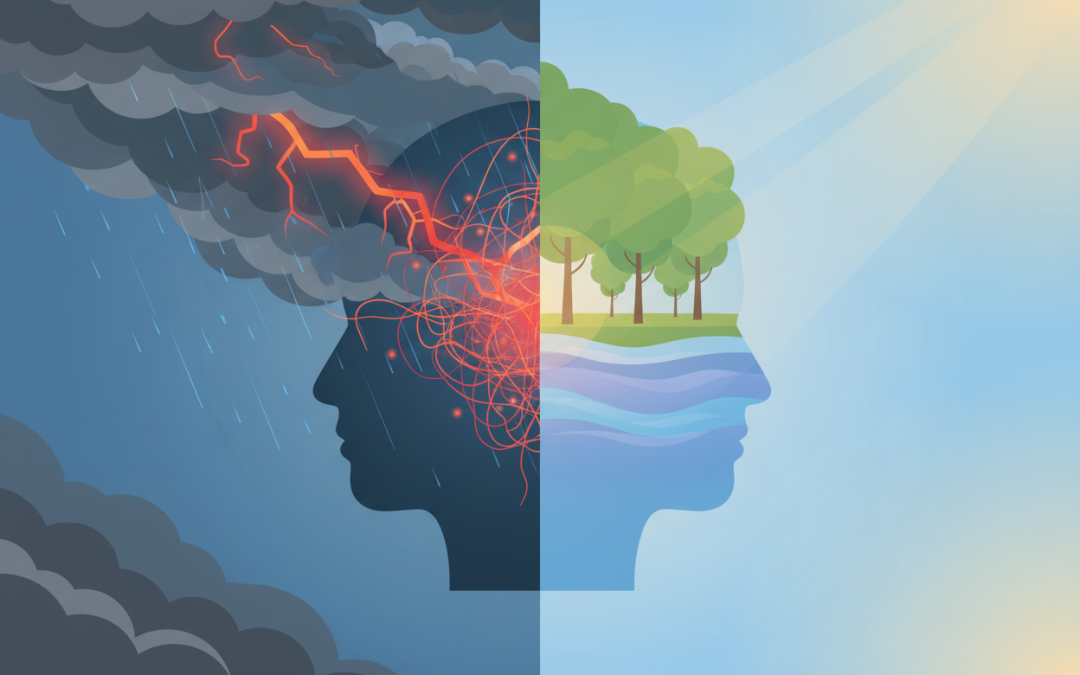
Have you ever noticed how a thunderstorm makes you feel drowsy, or how a bright sunny day instantly lifts your mood and sharpens your focus? You’re not imagining things. The weather and our surrounding environment have a profound impact on our natural brainwave patterns, influencing everything from our cognitive performance to our emotional well-being.
As someone who’s spent years researching the connection between environmental factors and brain function, I’ve discovered that our minds are far more sensitive to atmospheric changes than most people realize. The electromagnetic fields, air pressure variations, and even humidity levels around us constantly communicate with our neural networks, creating subtle but measurable shifts in our brainwave activity.
Understanding this relationship isn’t just fascinating from a scientific perspective – it’s incredibly practical. When you know how weather and environmental conditions affect your brain, you can make informed decisions about when to tackle challenging tasks, when to rest, and how to optimize your surroundings for peak mental performance.
Understanding Brainwave Patterns and Their Importance
Before diving into how external factors influence our minds, let’s establish what brainwave patterns actually are. Your brain constantly generates electrical activity through billions of neurons communicating with each other. This activity creates measurable patterns of brain waves that correspond to different mental states.
Scientists have identified five primary brainwave frequencies, each associated with specific cognitive and emotional states. Delta waves occur during deep sleep, theta waves emerge during meditation and creative states, alpha waves dominate during relaxed awareness, beta waves drive focused thinking and problem-solving, and gamma waves appear during moments of heightened perception and insight.
These patterns aren’t random – they’re your brain’s way of adapting to different situations and needs. When external environmental factors change, they can shift these natural rhythms, sometimes enhancing certain mental states while suppressing others. This is why understanding the weather-brain connection becomes so valuable for optimizing your daily performance.
The Science Behind Weather’s Impact on Brain Activity
The relationship between weather and brainwave patterns operates through several fascinating mechanisms. Atmospheric pressure changes, for instance, directly affect the amount of oxygen available in the air we breathe. When pressure drops before a storm, reduced oxygen levels can trigger increased theta wave activity, often leading to that familiar drowsy, contemplative feeling many people experience.
Electromagnetic fields also play a crucial role. Lightning activity and atmospheric electrical changes can influence our brain’s electromagnetic environment. Research has shown that these natural electromagnetic fluctuations can synchronize with our brainwave patterns, particularly affecting alpha and theta frequencies.
Temperature variations impact neurotransmitter production and neural firing rates. Cooler temperatures tend to enhance beta wave activity associated with alertness and focused thinking, while warmer conditions often promote alpha wave dominance, creating a more relaxed, creative mental state.
Humidity levels affect how efficiently our bodies regulate temperature and maintain optimal brain function. High humidity can reduce cognitive performance by making it harder for our bodies to cool effectively, while moderate humidity levels support optimal neural activity.
How Different Weather Conditions Affect Your Mind
Sunny weather creates some of the most favorable conditions for balanced brainwave activity. Bright natural light stimulates serotonin production while suppressing melatonin, promoting alert beta waves during the day and healthy sleep-related delta waves at night. The stable high pressure associated with clear skies supports consistent cognitive performance and emotional stability.
Rainy days tell a different story entirely. The negative ions generated by falling water can actually enhance alpha wave production, which explains why many people find the sound of rain deeply relaxing and conducive to creative thinking. However, the reduced light and lower atmospheric pressure can also increase theta activity, sometimes leading to decreased motivation and energy levels.
Thunderstorms create perhaps the most dramatic brainwave changes. The electromagnetic activity from lightning can temporarily synchronize with our brain’s natural frequencies, often producing heightened alpha and theta states. Many people report feeling either deeply relaxed or slightly anxious during storms – both responses reflect these electromagnetic influences on our neural patterns.
Snow and cold weather tend to sharpen beta wave activity, enhancing focus and analytical thinking. The bright reflection of sunlight off snow provides excellent natural light therapy, while the crisp air often contains higher oxygen levels that support alert mental states.
Windy conditions can be particularly disruptive to stable brainwave patterns. Constant wind, especially warm, dry winds like the Santa Ana winds in California, has been linked to increased anxiety and restlessness as it interferes with our brain’s natural electromagnetic environment.
Environmental Factors That Influence Brainwave States
Beyond weather patterns, numerous environmental factors in our immediate surroundings significantly impact our brainwave activity. Natural settings like forests and beaches generate negative ions and provide complex visual and auditory stimulation that promotes alpha wave activity and reduces stress-related beta waves.
Urban environments present unique challenges to optimal brainwave function. The electromagnetic pollution from electronic devices, fluorescent lighting, and radio frequencies can disrupt our natural neural rhythms. However, well-designed urban spaces with plenty of natural light, plants, and water features can help counteract these effects.
Indoor air quality plays a crucial role that many people overlook. Poor ventilation leading to high carbon dioxide levels can suppress cognitive function and alter brainwave patterns. Plants not only improve air quality but also provide visual stimulation that supports healthy alpha wave activity.
Color and lighting in our environment directly influence brainwave patterns. Blue light promotes beta wave activity and alertness, making it excellent for work environments but potentially disruptive to sleep. Warm, dim lighting encourages alpha and theta waves, supporting relaxation and creativity.
Sound environments significantly impact our neural states. Natural sounds like flowing water or bird songs tend to promote alpha waves and reduce stress, while constant urban noise can keep us locked in high-beta states that lead to mental fatigue over time.
Seasonal Changes and Their Effects on Mental Performance
Seasonal variations create some of the most predictable and significant changes in our brainwave patterns throughout the year. Spring brings increasing daylight hours and rising temperatures that naturally boost serotonin production and promote more balanced alpha and beta wave activity. Many people report improved mood, creativity, and motivation as winter transitions to spring.
Summer’s long days and intense sunlight can sometimes overstimulate beta wave activity, leading to increased energy but potentially also anxiety or restlessness in sensitive individuals. The key is finding balance through proper hydration, temperature control, and strategic exposure to natural light.
Fall presents unique opportunities for optimal brainwave function. The moderate temperatures and stable weather patterns of early autumn often create ideal conditions for sustained beta wave activity and productive work. The changing colors and crisp air can also stimulate alpha waves associated with creative inspiration.
Winter challenges our brainwave patterns more than any other season. Reduced daylight hours can lead to increased theta and delta wave activity during waking hours, contributing to seasonal affective disorder in some people. However, winter also offers opportunities for deeper introspection and the theta-dominant states that support meditation and inner reflection.
Optimizing Your Environment for Better Brainwave Function
Understanding how weather and environment affect your brainwaves is only valuable if you can apply this knowledge practically. Start by tracking your mood, energy levels, and cognitive performance alongside weather conditions. You’ll likely discover patterns that can inform your daily planning and decision-making.
Create different environmental zones in your living and working spaces to support various brainwave states. Design a bright, well-ventilated area with minimal distractions for tasks requiring focused beta wave activity. Establish a separate space with softer lighting, comfortable seating, and perhaps some plants or natural elements for activities that benefit from alpha wave dominance.
Use weather forecasts as a tool for optimizing your schedule. Plan challenging analytical work for high-pressure, sunny days when beta wave activity is naturally enhanced. Save creative projects for overcast or rainy days when alpha and theta waves are more accessible. Schedule rest and reflection time during low-pressure systems when your brain naturally wants to slow down.
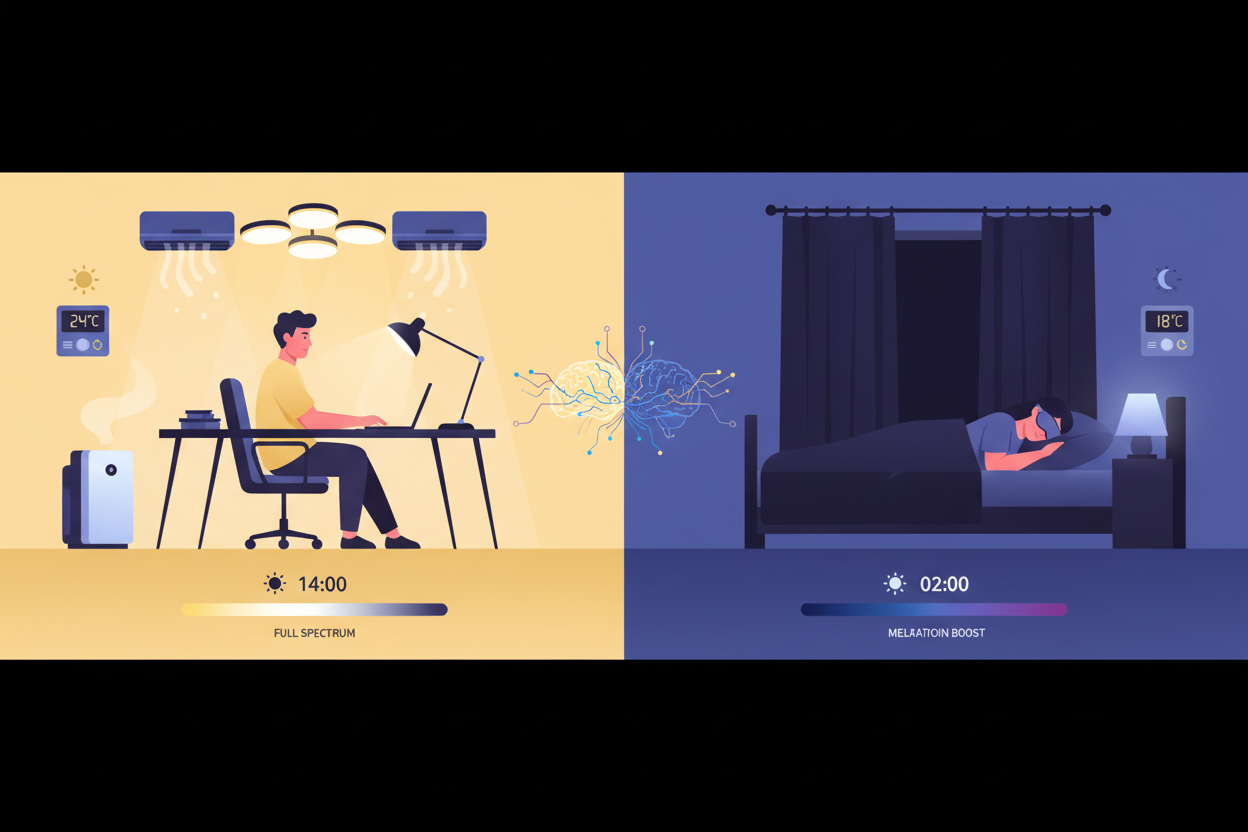
Invest in environmental controls that help stabilize your brainwave patterns regardless of external conditions. Full-spectrum light therapy lamps can provide consistent circadian rhythm support during dark winter months. Air purifiers and plants improve indoor air quality. Sound machines or noise-canceling headphones help manage acoustic environments.
Consider seasonal supplements and lifestyle adjustments to support optimal brainwave function year-round. Vitamin D during winter months, staying hydrated during summer heat, and maintaining consistent sleep schedules despite changing daylight hours all contribute to stable neural patterns.
Conclusion
The connection between weather, environment, and our natural brainwave patterns represents one of the most fascinating intersections of neuroscience and environmental psychology. By understanding how atmospheric conditions, seasonal changes, and our immediate surroundings influence our neural activity, we gain powerful tools for optimizing our mental performance and emotional well-being.
Rather than being passive victims of weather-related mood changes or environmental stress, we can become active participants in creating the conditions that support our best cognitive and emotional states. Whether it’s scheduling important work during optimal weather conditions, designing our spaces to promote desired brainwave patterns, or simply being more mindful of how external factors affect our internal states, this knowledge empowers us to live and work more effectively.
Remember that everyone’s sensitivity to environmental factors varies. Pay attention to your own patterns and responses, and don’t be afraid to experiment with different approaches to environmental optimization. The goal isn’t to fight against natural variations in your brainwave patterns, but to work with them more skillfully and create the conditions that support your goals and well-being.
Frequently Asked Questions
How quickly do weather changes affect brainwave patterns?
Brainwave changes in response to weather can occur within minutes to hours. Atmospheric pressure changes often affect people 24-48 hours before a storm arrives, while electromagnetic changes from lightning can influence brainwaves almost immediately. Temperature and humidity changes typically take a few hours to create noticeable shifts in mental state.
Can I measure my own brainwave changes related to weather?
While professional EEG equipment provides the most accurate measurements, consumer-grade brainwave monitoring devices and smartphone apps can give you general insights into your patterns. More practically, keeping a mood and energy journal alongside weather tracking can help you identify your personal weather-brain connections.
Are some people more sensitive to weather-related brainwave changes than others?
Absolutely. Individual sensitivity varies greatly based on factors like genetics, overall health, age, and previous exposure to different climates. People with conditions like migraines, arthritis, or mood disorders often show heightened sensitivity to atmospheric changes and their effects on brainwave patterns.
Do artificial environments completely override natural weather effects?
Not entirely. While climate-controlled buildings can buffer some weather effects, atmospheric pressure changes still penetrate indoor spaces, and our circadian rhythms remain influenced by natural light cycles. Additionally, our psychological awareness of weather conditions can create brainwave changes even in controlled environments.
How can shift workers optimize their brainwave patterns despite irregular schedules?
Shift workers can use artificial lighting to simulate natural patterns, maintain consistent sleep schedules regardless of daylight hours, and pay extra attention to air quality and temperature control in their work and sleep environments. Light therapy devices and blackout curtains become especially important tools for managing brainwave patterns.