
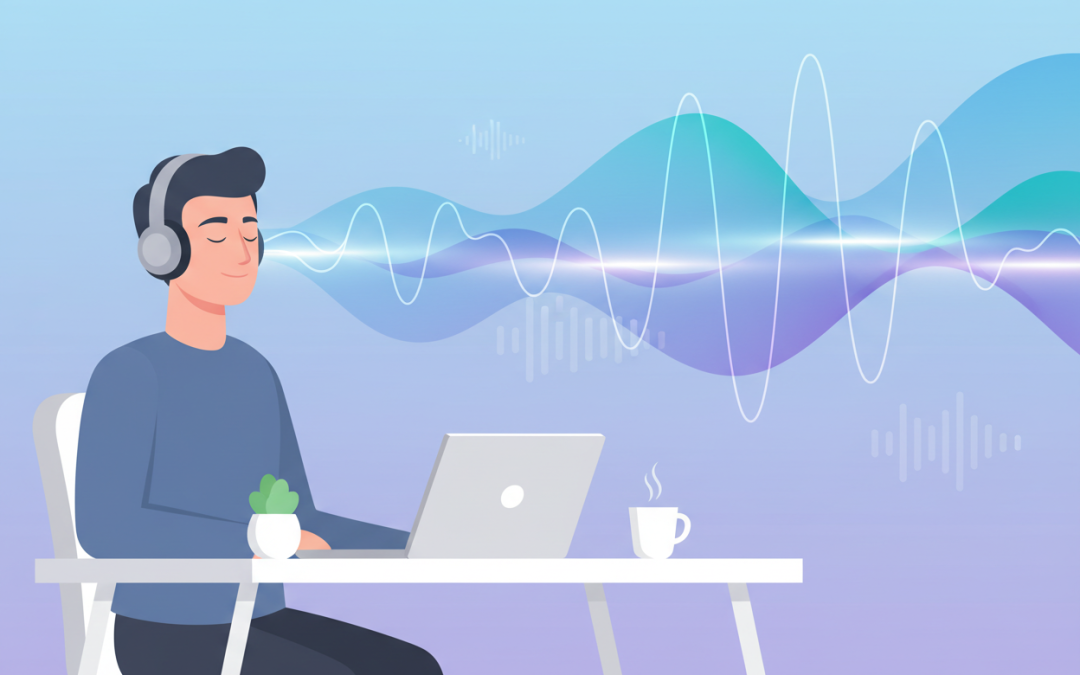
Brainwave Entrainment for Workplace Stress Management: Your Guide to Mental Clarity at Work
Table of Contents
1. Introduction to Brainwave Entrainment
2. Understanding Workplace Stress and Its Impact
3. The Science Behind Brainwave Entrainment
4. Types of Brainwaves and Their Effects
5. How Brainwave Entrainment Reduces Workplace Stress
6. Practical Applications in the Office Environment
7. Getting Started: Tools and Techniques
8. Best Practices for Implementation
9. Measuring Success and Results
10. Conclusion
11. Frequently Asked Questions
Introduction to Brainwave Entrainment
Picture this: it’s 2 PM on a Wednesday, your inbox is overflowing, deadlines are looming, and that familiar knot of stress is tightening in your stomach. Sound familiar? If you’re nodding along, you’re not alone. Workplace stress affects millions of professionals worldwide, but what if I told you there’s a scientifically-backed technique that could help you find calm in the chaos?
Enter brainwave entrainment – a fascinating approach to stress management that’s gaining traction in corporate wellness programs and among productivity enthusiasts. This isn’t just another wellness fad; it’s a legitimate method rooted in neuroscience that can help you achieve better focus, reduced anxiety, and improved mental clarity right at your desk.
In this comprehensive guide, we’ll explore how brainwave entrainment can transform your workday experience, turning stressful moments into opportunities for mental reset and enhanced performance.
Understanding Workplace Stress and Its Impact
Before diving into solutions, let’s acknowledge the elephant in the room: workplace stress is a genuine health crisis. The American Psychological Association reports that work stress affects 61% of employees, leading to decreased productivity, increased sick days, and higher turnover rates.
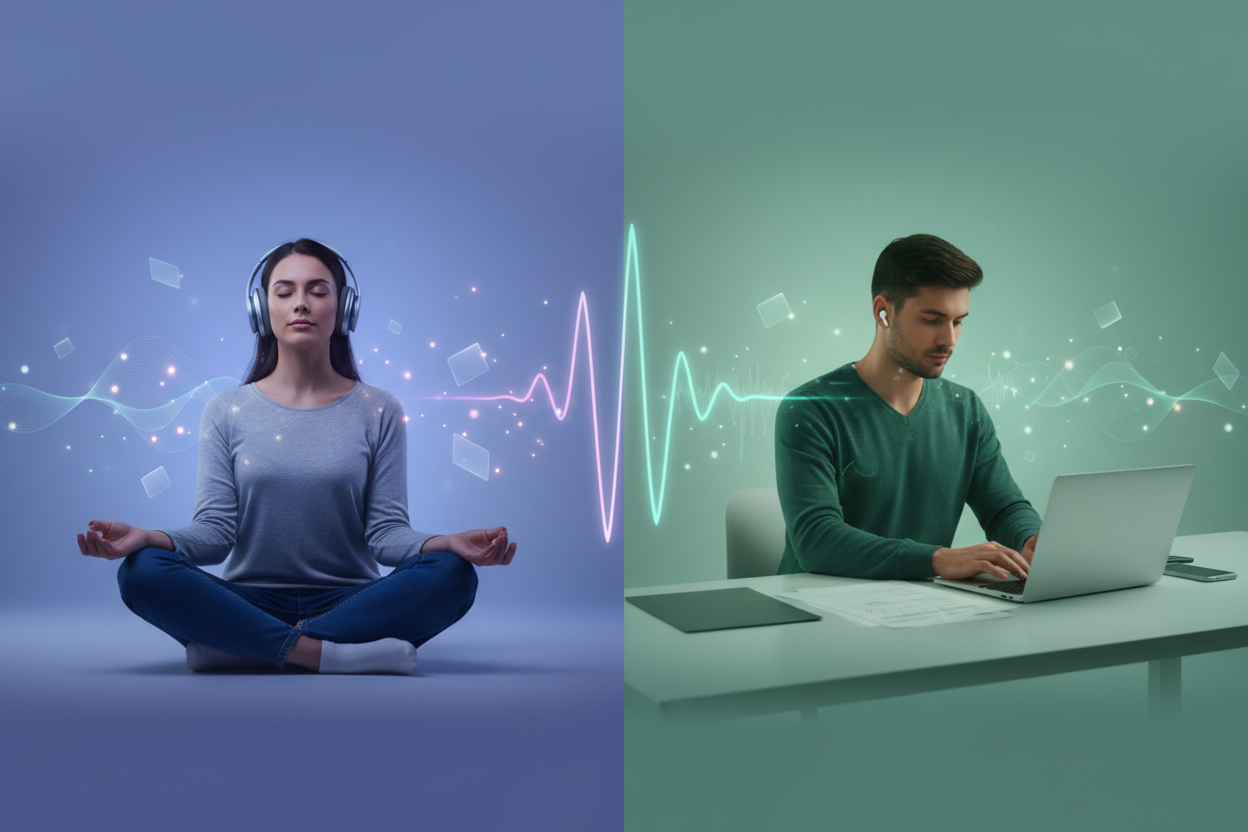
Common workplace stressors include tight deadlines, heavy workloads, difficult colleagues, job insecurity, and the constant pressure to perform. These stressors trigger our body’s fight-or-flight response, flooding our system with cortisol and adrenaline. While this response served our ancestors well when facing physical threats, it’s less helpful when dealing with spreadsheets and conference calls.
Chronic workplace stress doesn’t just affect job performance – it impacts our entire well-being. Physical symptoms include headaches, muscle tension, and fatigue, while mental symptoms encompass anxiety, irritability, and difficulty concentrating. The ripple effects extend beyond office hours, affecting relationships, sleep quality, and overall life satisfaction.
The Science Behind Brainwave Entrainment
Brainwave entrainment operates on a simple yet powerful principle: our brains naturally synchronize with rhythmic stimuli. This phenomenon, discovered in the 1930s, shows that when exposed to specific frequencies through sound, light, or electromagnetic pulses, our brainwaves gradually align with these external rhythms.
Think of it like a musical tuning fork. When you strike a tuning fork near a piano, the corresponding piano string begins to vibrate at the same frequency. Similarly, when we expose our brains to specific frequencies, our neural oscillations begin to match those patterns.
This synchronization process, called “frequency following response,” allows us to intentionally guide our brains into desired states. Want to feel more relaxed? We can entrain alpha waves. Need laser focus? Beta waves are your friend. It’s like having a remote control for your mental state.
Research from institutions like Harvard Medical School and Stanford University has validated the effectiveness of brainwave entrainment for various applications, including stress reduction, improved sleep, and enhanced cognitive performance.
Types of Brainwaves and Their Effects
Understanding different brainwave frequencies is crucial for effective workplace stress management. Each frequency range corresponds to specific mental states and can be strategically utilized throughout your workday.
Delta Waves (0.5-4 Hz): These slow waves dominate during deep sleep and are associated with healing and regeneration. While not typically used during work hours, delta entrainment can be valuable for recovery sessions or end-of-day wind-down routines.
Theta Waves (4-8 Hz): Linked to creativity, intuition, and deep relaxation, theta waves are excellent for brainstorming sessions or when you need to approach problems from new angles. Many professionals find theta entrainment helpful during creative blocks.
Alpha Waves (8-13 Hz): The sweet spot for workplace stress management, alpha waves promote relaxation while maintaining alertness. This is your go-to frequency for reducing anxiety while staying productive. Alpha states are perfect for routine tasks that don’t require intense concentration.
Beta Waves (13-30 Hz): These faster waves are associated with focused attention, analytical thinking, and problem-solving. Low beta (13-20 Hz) promotes calm focus, while higher beta frequencies can increase alertness and concentration for demanding tasks.
Gamma Waves (30+ Hz): The fastest brainwaves, gamma waves are linked to high-level cognitive processing, insight, and peak performance states. While powerful, gamma entrainment should be used sparingly and with proper guidance.
How Brainwave Entrainment Reduces Workplace Stress
The stress-reducing power of brainwave entrainment lies in its ability to interrupt the stress response cycle and guide your brain toward more balanced states. When you’re stressed, your brain typically operates in high-beta frequencies, creating that familiar feeling of mental racing and anxiety.
By using entrainment techniques to shift into alpha or low-beta frequencies, you’re essentially telling your nervous system to dial down the stress response. This shift has cascading effects throughout your body: heart rate decreases, breathing deepens, muscle tension releases, and cortisol production normalizes.
What makes brainwave entrainment particularly effective for workplace stress is its speed and discretion. Unlike traditional stress management techniques that might require leaving your desk or drawing attention, entrainment can work quietly in the background while you continue your tasks.
Regular use of brainwave entrainment also builds resilience over time. Just as physical exercise strengthens muscles, consistent brainwave training enhances your brain’s ability to self-regulate and maintain calm under pressure.
Practical Applications in the Office Environment
Implementing brainwave entrainment in your workplace doesn’t require major lifestyle changes or expensive equipment. Here are practical ways to integrate this technique into your daily routine:
Morning Preparation: Start your day with 10-15 minutes of alpha wave entrainment to establish a calm, focused baseline. This sets a positive tone for the entire workday and builds resilience against upcoming stressors.
Transition Periods: Use brief entrainment sessions when switching between tasks or after stressful meetings. Even 3-5 minutes can help reset your mental state and prevent stress accumulation.
Lunch Break Reset: Instead of scrolling social media during lunch, try a theta or alpha entrainment session. This midday reset can dramatically improve your afternoon productivity and mood.
Pre-Meeting Preparation: Before important presentations or difficult conversations, use beta wave entrainment to enhance focus and confidence while maintaining calm composure.
End-of-Day Wind-Down: Transition from work mode to personal time with alpha or theta entrainment, helping you leave office stress at the office.
Getting Started: Tools and Techniques
The beauty of brainwave entrainment lies in its accessibility. You don’t need expensive equipment or extensive training to begin experiencing benefits. Here’s what you need to get started:
Audio Entrainment: The most popular and practical method uses specially designed audio tracks with embedded frequencies. Binaural beats, where slightly different frequencies are played in each ear, are particularly effective. Isochronic tones, which pulse at specific intervals, work well too and don’t require headphones.
Equipment Needed: A good pair of headphones or earbuds is essential for binaural beats. For isochronic tones, regular speakers work fine, making them ideal for open office environments where headphones might not be practical.
Apps and Software: Numerous smartphone apps offer brainwave entrainment tracks specifically designed for workplace use. Look for apps that allow you to customize session length and frequency ranges to match your specific needs.
Creating Your Workspace: While not essential, optimizing your environment can enhance results. Dim lighting, comfortable seating, and minimal distractions help maximize the effectiveness of your entrainment sessions.
Best Practices for Implementation
Success with brainwave entrainment depends on consistent, thoughtful application. Here are proven strategies to maximize your results:
Start Small: Begin with 5-10 minute sessions rather than jumping into longer practices. Your brain needs time to adapt to the entrainment process, and shorter sessions are easier to integrate into busy workdays.
Timing Matters: Pay attention to your natural energy rhythms. Most people find alpha entrainment most effective during mid-morning slumps or post-lunch energy dips, while beta entrainment works well during peak focus hours.
Consistency Over Intensity: Daily 10-minute sessions are more beneficial than occasional hour-long practices. Regular exposure helps train your brain to respond more quickly and effectively to entrainment.
Combine with Breathing: Deep, rhythmic breathing enhances the entrainment effect. Try inhaling for 4 counts, holding for 4, and exhaling for 6 to activate your parasympathetic nervous system.
Track Your Progress: Keep a simple log of your stress levels before and after sessions. This helps identify which frequencies work best for your specific needs and provides motivation to continue the practice.
Measuring Success and Results
Quantifying the benefits of brainwave entrainment helps maintain motivation and refine your approach. While the effects are often immediately noticeable, tracking progress over time reveals the full scope of benefits.
Immediate Indicators: After each session, note changes in muscle tension, breathing depth, heart rate, and mental clarity. Many users report feeling noticeably calmer and more focused within minutes of starting entrainment.
Daily Metrics: Track overall stress levels, productivity, sleep quality, and mood on a simple 1-10 scale. Look for trends over weeks rather than focusing on daily fluctuations.
Professional Performance: Monitor work-related indicators like task completion rates, error frequency, creative output, and relationship quality with colleagues. These metrics often show improvement within 2-4 weeks of consistent practice.
Long-term Benefits: After several months of regular use, many practitioners report enhanced emotional regulation, improved stress resilience, better sleep patterns, and increased overall job satisfaction.
Conclusion
Brainwave entrainment represents a powerful, scientifically-validated approach to managing workplace stress that fits seamlessly into modern professional life. By understanding how different frequencies affect our mental states, we can strategically use entrainment to enhance focus, reduce anxiety, and maintain peak performance throughout the workday.
The technique’s accessibility makes it particularly valuable for busy professionals who need effective stress management tools that don’t require significant time investment or lifestyle changes. Whether you’re dealing with deadline pressure, difficult colleagues, or the general demands of modern work life, brainwave entrainment offers a practical path to greater calm and clarity.
Remember, like any skill, brainwave entrainment becomes more effective with practice. Start small, be consistent, and pay attention to how different frequencies affect your unique brain chemistry. With time and regular use, you’ll develop an invaluable tool for navigating workplace challenges with greater ease and confidence.
The future of workplace wellness increasingly recognizes the importance of mental fitness alongside physical health. Brainwave entrainment positions you at the forefront of this movement, offering a proactive approach to stress management that enhances both professional performance and personal well-being.
Frequently Asked Questions
Q: Is brainwave entrainment safe for daily use at work?
A: Yes, brainwave entrainment is generally safe for healthy individuals when used appropriately. However, people with epilepsy, seizure disorders, or certain psychiatric conditions should consult healthcare providers before use. Start with shorter sessions and avoid extremely high or low frequencies without proper guidance.
Q: How quickly can I expect to see results from workplace brainwave entrainment?
A: Many people notice immediate effects like increased relaxation or improved focus within the first session. However, significant stress reduction and lasting benefits typically develop over 2-4 weeks of consistent daily practice.
Q: Can I use brainwave entrainment while working on tasks, or do I need to stop everything?
A: Both approaches work, depending on your goals. For deep relaxation, dedicated sessions work best. For maintaining calm focus during routine tasks, background entrainment can be very effective. Avoid using it during tasks requiring intense concentration until you’re experienced with the technique.
Q: What’s the difference between binaural beats and isochronic tones for workplace use?
A: Binaural beats require headphones and work by playing slightly different frequencies in each ear. Isochronic tones are rhythmic pulses that work through speakers and are often considered more effective for entrainment. For workplace use, isochronic tones offer more flexibility since they don’t require headphones.
Q: How long should each brainwave entrainment session last for optimal workplace stress relief?
A: For workplace applications, 10-20 minute sessions are ideal. This duration is long enough to achieve entrainment effects but short enough to fit into busy schedules. Quick 3-5 minute sessions can also be effective for immediate stress relief between meetings or tasks.