
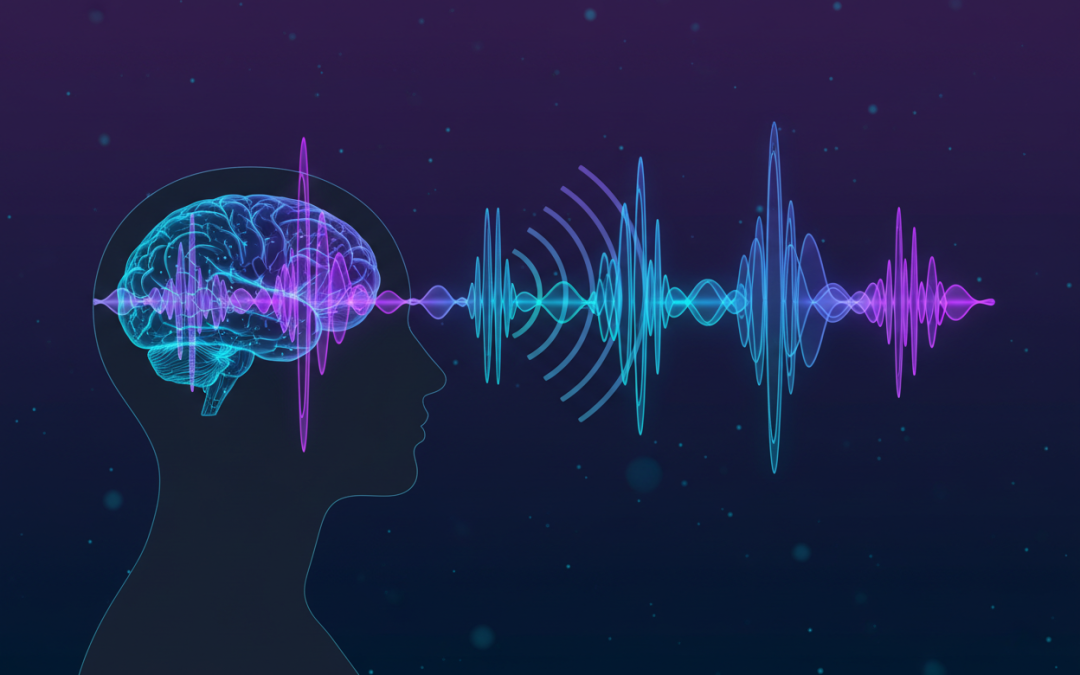
The Role of Frequency Following Response in Brainwave Entrainment: Unlocking Your Brain’s Natural Rhythm
Table of Contents
1. Introduction to Frequency Following Response
2. Understanding Brainwave Entrainment
3. The Science Behind Frequency Following Response
4. How FFR Enables Brainwave Entrainment
5. Types of Brainwave Frequencies and Their Effects
6. Practical Applications of FFR in Daily Life
7. Benefits and Limitations of Brainwave Entrainment
8. Getting Started with Frequency Following Response
9. Frequently Asked Questions
10. Conclusion
Introduction to Frequency Following Response
Have you ever wondered why certain sounds can instantly calm your mind or energize your thoughts? The answer lies in a fascinating neurological phenomenon called the Frequency Following Response, or FFR. This remarkable ability of our brains has revolutionized our understanding of how we can influence our mental states through sound and rhythm.
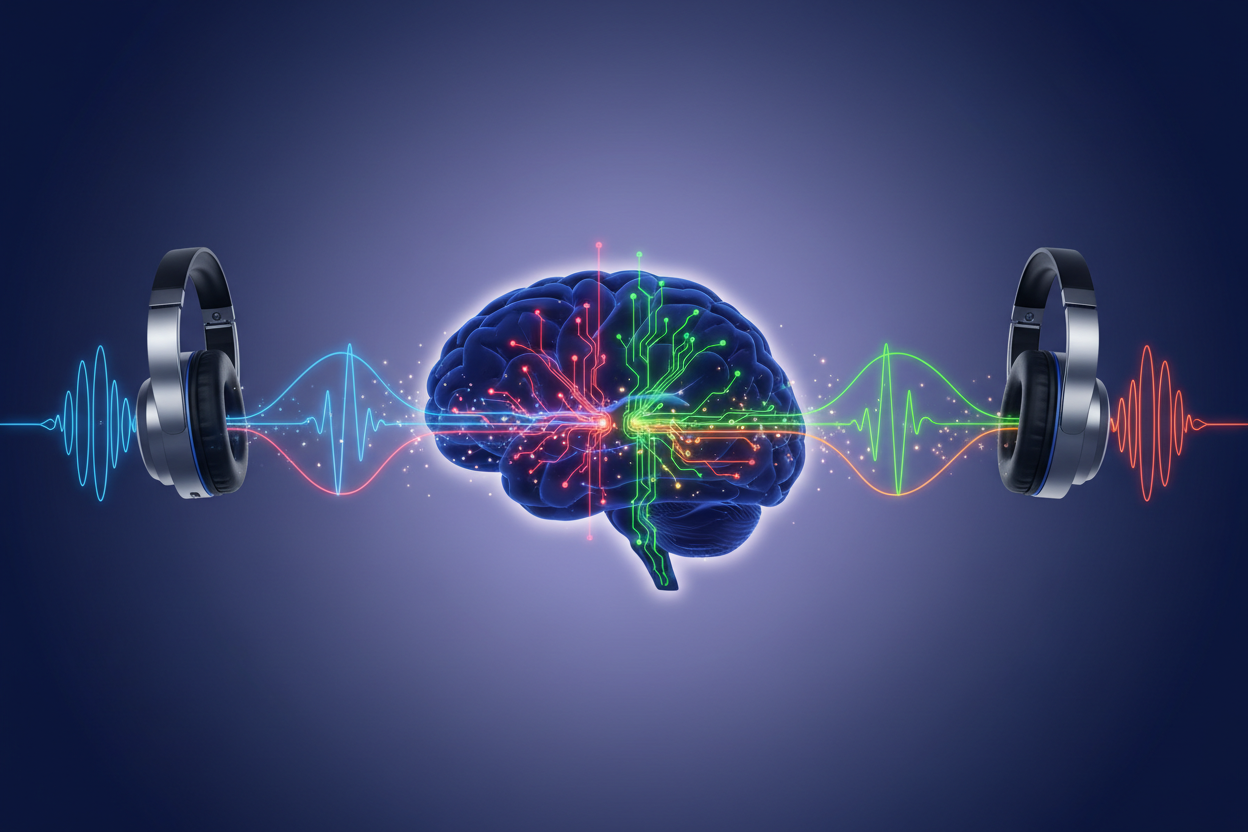
The Frequency Following Response represents one of the most intriguing aspects of neuroscience, demonstrating how our brains naturally synchronize with external rhythmic stimuli. When we understand this process, we unlock powerful tools for enhancing focus, relaxation, creativity, and overall cognitive performance through brainwave entrainment.
In this comprehensive guide, we’ll explore the intricate relationship between FFR and brainwave entrainment, diving deep into the science while keeping things practical and accessible. Whether you’re a curious beginner or someone looking to optimize your mental performance, this journey through the world of frequency following response will provide valuable insights into your brain’s hidden capabilities.
Understanding Brainwave Entrainment
Brainwave entrainment is the process of synchronizing brainwave frequencies with external rhythmic stimuli, such as sound, light, or electromagnetic pulses. Think of it as tuning your brain like a musical instrument, adjusting its natural rhythms to match desired frequencies that promote specific mental states.
Our brains naturally produce electrical activity in the form of brainwaves, which oscillate at different frequencies depending on our mental state. During deep sleep, our brains operate at slower delta frequencies, while during intense concentration, faster beta waves dominate. Brainwave entrainment leverages this natural variability by introducing external stimuli that encourage the brain to shift into desired frequency ranges.
The concept isn’t entirely new – humans have intuitively used rhythmic patterns for centuries through drumming, chanting, and meditation practices. However, modern technology has allowed us to refine these techniques with precision, creating targeted audio experiences that can reliably influence our mental states within minutes.
The Science Behind Frequency Following Response
The Frequency Following Response occurs when neurons in the brain begin to fire in synchrony with an external rhythmic stimulus. This neurological phenomenon was first documented in the 1930s, but researchers have only recently begun to fully understand its mechanisms and potential applications.
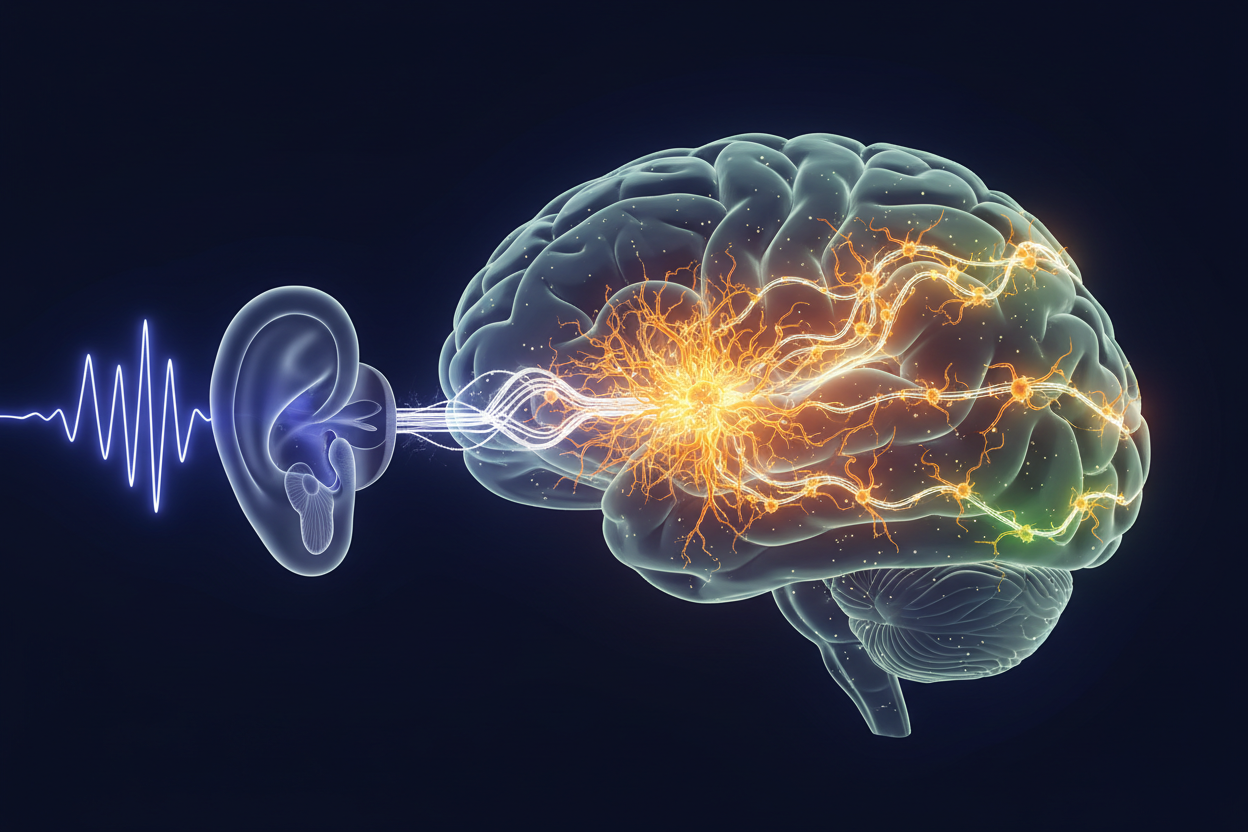
When you listen to a rhythmic sound, specialized neurons in your auditory cortex detect the pattern and begin to entrain, or synchronize, with that rhythm. This synchronization then spreads to other brain regions through neural networks, creating a cascade effect that can influence your entire mental state.
What makes FFR particularly fascinating is its automaticity – you don’t need to consciously try to synchronize with the rhythm. Your brain does this naturally, much like how your heart rate might unconsciously adjust to match the tempo of music you’re listening to. This automatic response makes brainwave entrainment accessible to anyone, regardless of their experience with meditation or other consciousness-altering practices.
Research using electroencephalography (EEG) has shown that FFR can be measured objectively, with brain activity clearly shifting to match external frequencies within just a few minutes of exposure. This scientific validation has opened doors for therapeutic applications and personal development tools based on sound frequency therapy.
How FFR Enables Brainwave Entrainment
The relationship between FFR and brainwave entrainment is like a key fitting into a lock. FFR provides the mechanism, while brainwave entrainment represents the intended outcome. Without FFR, our brains wouldn’t be able to synchronize with external rhythms, making targeted mental state changes through audio stimulation impossible.
The process begins when rhythmic audio signals reach your ears and travel to the auditory processing centers in your brain. These centers don’t just passively receive the information – they actively begin to mirror the incoming rhythm. As more neurons join this synchronized firing pattern, the effect spreads beyond the auditory cortex to other brain regions responsible for mood, attention, and consciousness.
Different techniques can enhance the FFR effect. Binaural beats, for example, present slightly different frequencies to each ear, causing the brain to perceive a third frequency equal to the mathematical difference between the two. This phantom frequency can then drive the FFR process, entraining brainwaves to the desired target frequency.
Isochronic tones represent another approach, using evenly spaced pulses of sound to create clear rhythmic patterns that the brain can easily follow. These techniques have proven particularly effective because they work with the brain’s natural tendency to synchronize with repetitive stimuli.
Types of Brainwave Frequencies and Their Effects
Understanding different brainwave frequencies is crucial for effectively using FFR-based entrainment. Each frequency range corresponds to distinct mental states and cognitive functions, allowing for targeted applications based on your specific goals.
Delta waves (0.5-4 Hz) represent the slowest brainwave frequencies, typically associated with deep, dreamless sleep and healing processes. Entraining to delta frequencies can promote restorative sleep and may support physical recovery and immune function enhancement.
Theta waves (4-8 Hz) occur during light sleep, deep meditation, and creative states. Many people report enhanced intuition, emotional processing, and access to subconscious insights when their brains operate in theta ranges. This makes theta entrainment popular for meditation practices and creative work.
Alpha waves (8-13 Hz) characterize relaxed, alert states – that peaceful feeling you experience while daydreaming or during light meditation. Alpha entrainment can reduce stress, promote calm focus, and create an optimal state for learning and memory consolidation.
Beta waves (13-30 Hz) dominate during active, focused thinking and problem-solving. Lower beta frequencies promote concentrated attention, while higher beta ranges can increase alertness and analytical thinking. However, excessive beta activity may contribute to anxiety and overthinking.
Gamma waves (30-100 Hz) represent the fastest brainwave frequencies, associated with heightened awareness, peak cognitive performance, and moments of insight. Some researchers believe gamma activity facilitates the binding of different brain regions, creating unified conscious experiences.
Practical Applications of FFR in Daily Life
The beauty of understanding FFR lies in its practical applications for everyday life improvement. Once you grasp how your brain responds to rhythmic stimuli, you can strategically use this knowledge to enhance various aspects of your daily experience.
For productivity and focus, many professionals use beta-range entrainment during work sessions. A 20-minute session with 15-18 Hz stimulation before important tasks can sharpen concentration and mental clarity. I’ve personally found this approach particularly helpful during writing sessions or when tackling complex analytical work.
Sleep optimization represents another powerful application. Delta and theta entrainment can help establish healthy sleep patterns, especially for those struggling with insomnia or irregular schedules. Using these frequencies 30-60 minutes before bedtime can signal your brain to begin the natural wind-down process.
Stress management becomes more accessible with alpha entrainment sessions. When feeling overwhelmed, a 10-15 minute alpha session can shift your nervous system from fight-or-flight mode to a more balanced, relaxed state. This technique proves especially valuable during busy workdays or stressful periods.
Creative professionals often turn to theta entrainment for inspiration and breakthrough thinking. The relaxed, open awareness associated with theta states can facilitate novel connections and innovative solutions that might not emerge during normal waking consciousness.
Benefits and Limitations of Brainwave Entrainment
While FFR-based brainwave entrainment offers numerous benefits, it’s important to understand both its potential and limitations. Like any tool, its effectiveness depends on proper application and realistic expectations.
The primary benefits include accessibility, non-invasiveness, and measurable effects. Unlike pharmaceutical interventions, brainwave entrainment carries minimal risk of side effects for most people. The effects are temporary, allowing you to experiment with different states without long-term commitment. Additionally, the technology is becoming increasingly affordable and user-friendly.
Research has documented improvements in attention, mood regulation, sleep quality, and stress reduction among regular users. Some studies suggest potential benefits for conditions like ADHD, anxiety, and depression, though more research is needed to establish definitive therapeutic protocols.
However, limitations exist. Individual responses vary significantly – what works powerfully for one person might produce minimal effects for another. Factors like hearing sensitivity, neurological differences, and personal receptivity all influence outcomes. Additionally, the effects are typically temporary, requiring regular use to maintain benefits.
Some people may experience mild side effects like headaches or dizziness, particularly when first starting or using inappropriate frequencies. Those with certain neurological conditions, such as epilepsy, should consult healthcare providers before using brainwave entrainment technologies.
Getting Started with Frequency Following Response
Beginning your journey with FFR-based brainwave entrainment doesn’t require expensive equipment or extensive training. Start simple and gradually explore more advanced applications as you become familiar with how your brain responds to different frequencies.
Choose quality audio content from reputable sources that clearly indicate the target frequencies and intended effects. Many apps and websites offer free introductory sessions, allowing you to experiment before making purchases. Look for content that uses proven techniques like binaural beats or isochronic tones.
Create an appropriate environment for your sessions. Use comfortable headphones or speakers, minimize distractions, and choose times when you won’t be interrupted. The effectiveness of brainwave entrainment often depends on your ability to relax and allow the process to work naturally.
Start with shorter sessions – 10-15 minutes initially – and gradually increase duration as you become more comfortable. Pay attention to how different frequencies affect you personally, as individual responses can vary significantly. Keep a simple journal noting which frequencies and durations produce your desired effects.
Be patient with the process. While some people notice immediate effects, others may need several sessions before experiencing significant changes. Consistency often matters more than intensity, so regular short sessions typically prove more beneficial than occasional long ones.
Frequently Asked Questions
Q: How quickly can I expect to notice effects from brainwave entrainment?
A: Most people begin noticing subtle effects within 5-10 minutes of starting a session, with more pronounced changes occurring after 15-20 minutes. However, individual responses vary, and some may need several sessions before experiencing significant effects.
Q: Is it safe to use brainwave entrainment daily?
A: For most people, daily use is safe and often beneficial. However, start gradually and pay attention to how your body responds. Those with neurological conditions should consult healthcare providers before beginning regular use.
Q: Do I need special equipment for effective brainwave entrainment?
A: While high-quality headphones can enhance the experience, they’re not absolutely necessary. Many people achieve good results with standard earbuds or speakers. The key is consistent, clear audio delivery of the entrainment frequencies.
Q: Can brainwave entrainment replace meditation or other relaxation techniques?
A: Brainwave entrainment can complement traditional practices but shouldn’t necessarily replace them entirely. Many people find it helpful as a gateway to deeper meditation states or as a tool when traditional techniques feel challenging.
Q: Are there any age restrictions for using brainwave entrainment?
A: While generally safe for adults, children and elderly individuals may have different sensitivities. It’s advisable to start with very mild sessions and consult healthcare providers if there are any concerns about neurological sensitivity.
Conclusion
The Frequency Following Response represents a remarkable bridge between ancient wisdom about rhythm and sound, and modern neuroscience understanding of brain plasticity. Through FFR, we’ve discovered that our brains are naturally equipped with the ability to synchronize with external rhythms, opening doorways to enhanced mental states and cognitive performance.
Understanding how FFR enables brainwave entrainment empowers us to take a more active role in managing our mental states. Whether seeking better focus for work, deeper relaxation for stress relief, or enhanced creativity for problem-solving, the principles of frequency following response provide scientifically-backed tools for achieving these goals.
As research continues to unveil new applications and refine existing techniques, the field of brainwave entrainment will likely expand into therapeutic settings, educational environments, and personal development practices. The key lies in approaching this technology with both enthusiasm and discernment, recognizing its potential while maintaining realistic expectations about its limitations.
Your brain’s natural ability to follow rhythmic frequencies represents an untapped resource for personal optimization. By understanding and working with your Frequency Following Response, you’re not just using a modern technology – you’re connecting with a fundamental aspect of human neurology that has the power to enhance your daily life in measurable, meaningful ways.