
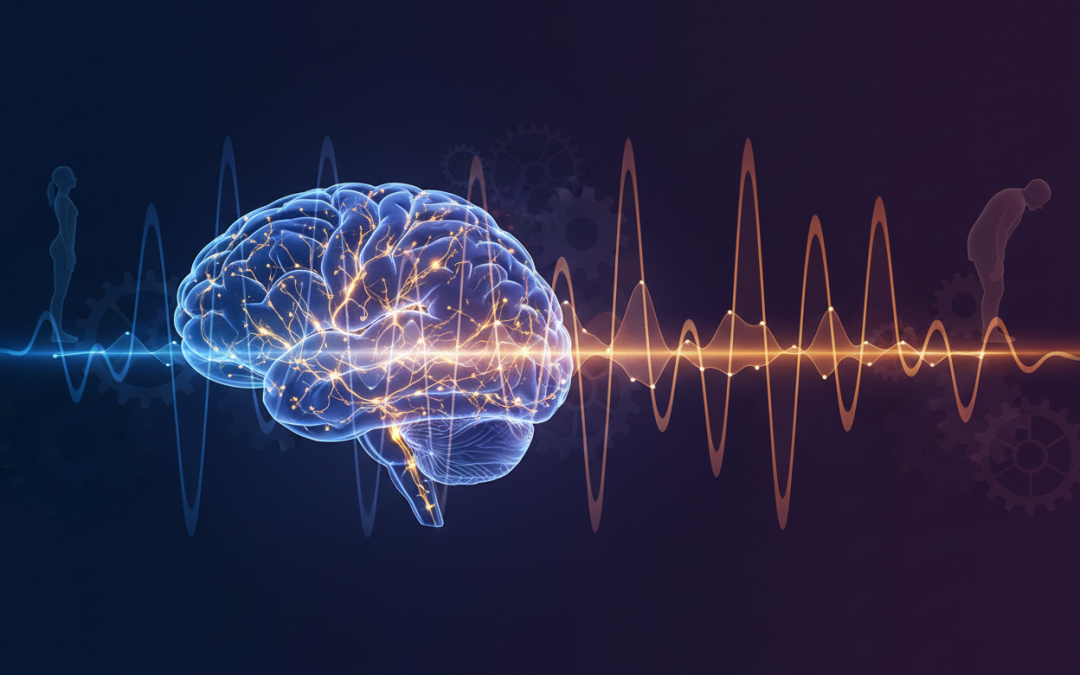
The Effect of Age on Brainwave Patterns and Entrainment Effectiveness
Table of Contents
1. Introduction to Brainwave Patterns and Age
2. Understanding Brainwave Entrainment
3. How Age Affects Natural Brainwave Activity
4. Brainwave Changes Through Different Life Stages
5. Age-Related Differences in Entrainment Response
6. Optimizing Brainwave Entrainment for Different Age Groups
7. Research Findings and Clinical Applications
8. Practical Considerations for Age-Specific Entrainment
9. Conclusion
10. Frequently Asked Questions
Introduction to Brainwave Patterns and Age
Have you ever wondered why meditation seems to come more naturally to some people than others? Or why certain sound frequencies might help your teenager focus better than they help you? The answer lies in the fascinating relationship between age and our brain’s electrical activity.
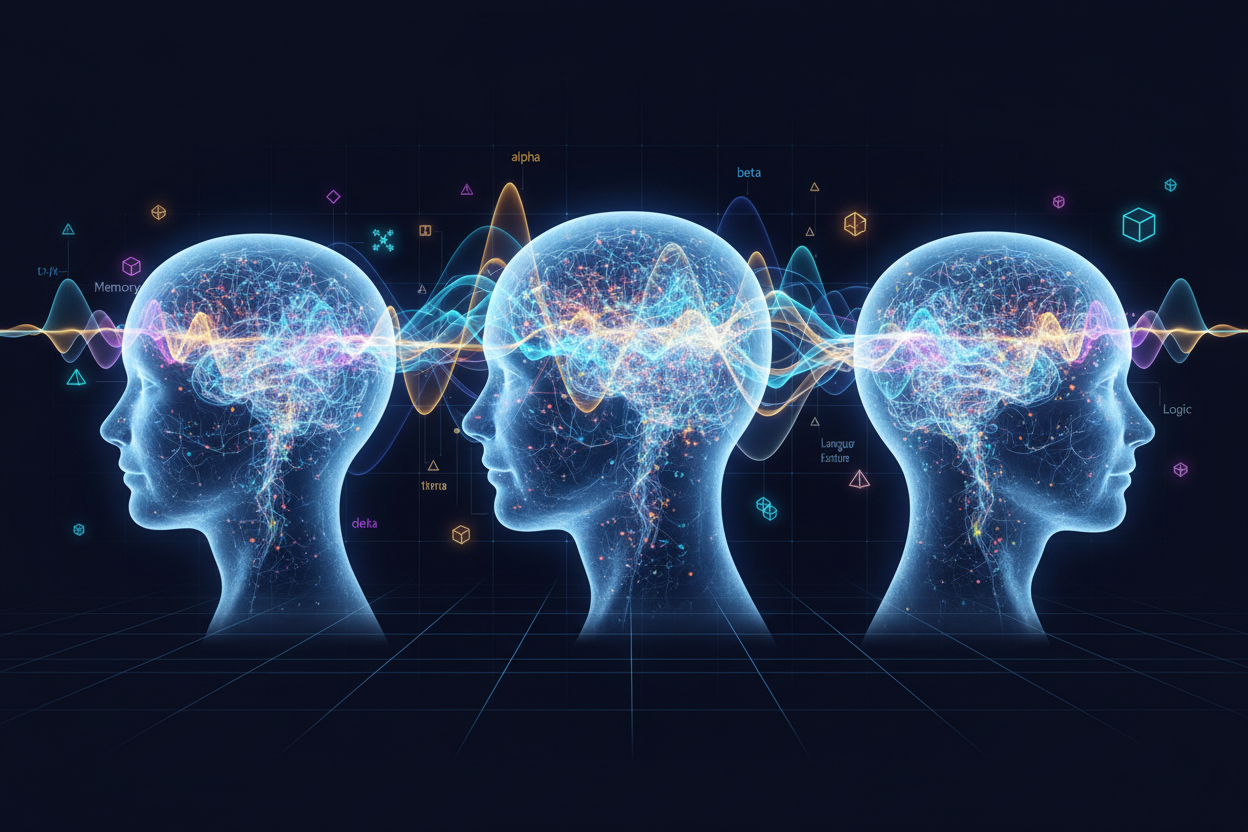
Our brains are remarkable electrical networks that generate measurable patterns of activity called brainwaves. These patterns change dramatically throughout our lives, influencing everything from our sleep quality to our ability to concentrate. Understanding how age affects brainwave patterns and our response to brainwave entrainment can revolutionize how we approach mental wellness, cognitive enhancement, and therapeutic interventions across different life stages.
This comprehensive exploration will take you through the intricate world of age-related brainwave changes and reveal why a one-size-fits-all approach to brainwave entrainment simply doesn’t work. Whether you’re a parent seeking to help your child with attention issues, a professional looking to optimize your cognitive performance, or someone curious about maintaining brain health as you age, this information will provide valuable insights into your brain’s changing needs.
Understanding Brainwave Entrainment
Before diving into age-related differences, let’s establish what brainwave entrainment actually means. Brainwave entrainment is a fascinating neurological phenomenon where external rhythmic stimuli can synchronize our brain’s electrical activity to match specific frequencies. Think of it as your brain’s natural tendency to “tune in” to rhythmic patterns in your environment.
This process occurs through various methods including binaural beats, isochronic tones, light therapy, and even rhythmic movement. When you listen to a 10 Hz binaural beat, for example, your brain gradually shifts its dominant frequency to match that 10 Hz pattern, potentially inducing a relaxed, meditative state associated with alpha brainwaves.
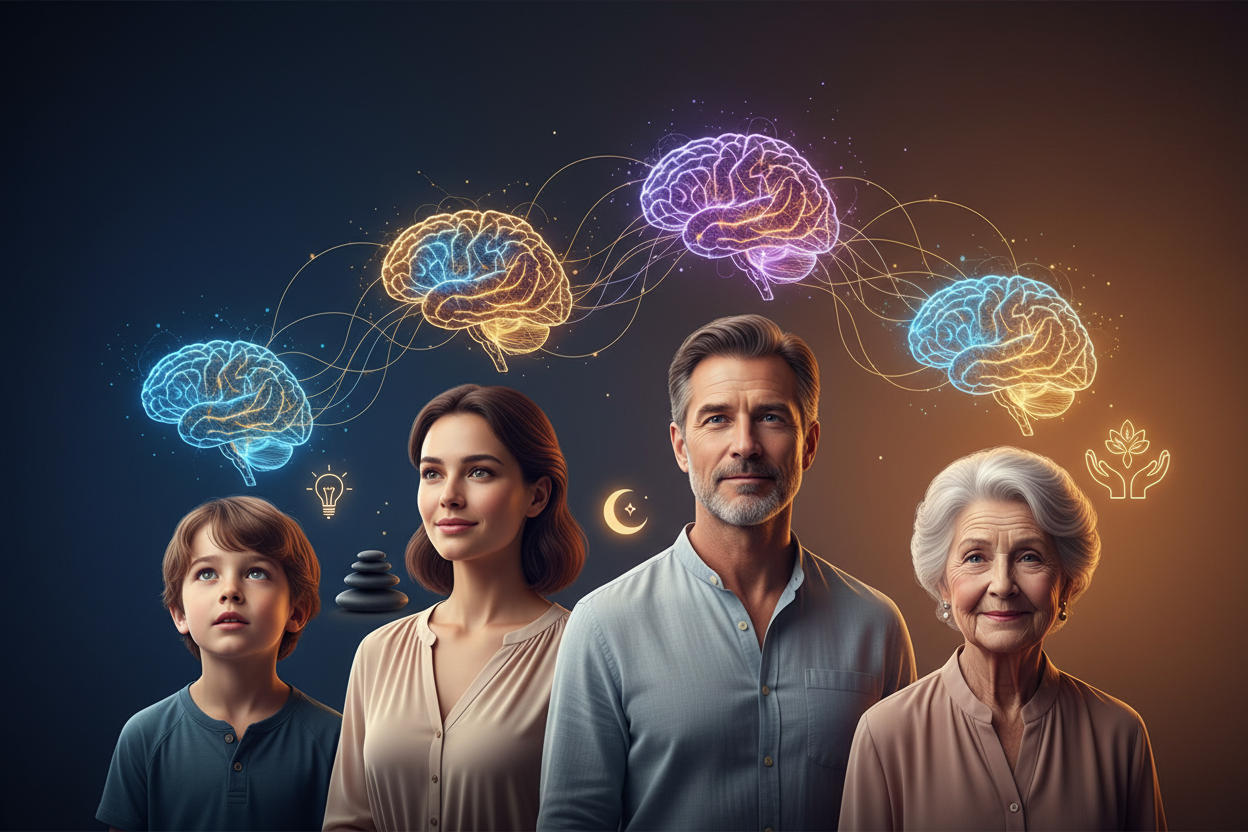
The effectiveness of this entrainment process isn’t uniform across all individuals. Your brain’s ability to “lock onto” these external rhythms depends on numerous factors, with age being one of the most significant. This variability explains why the same meditation app might work wonders for your college-aged daughter but leave you feeling restless and unfocused.
How Age Affects Natural Brainwave Activity
Our brains undergo continuous changes throughout our lives, and these changes are clearly reflected in our brainwave patterns. From the moment we’re born until we reach advanced age, our neural networks are constantly adapting, pruning, and reorganizing themselves.
Young brains tend to exhibit higher baseline frequencies and greater neural plasticity. This means children and teenagers often show more pronounced theta and beta activity, which correlates with their enhanced learning capacity and sometimes scattered attention patterns. Their brains are like high-performance sports cars – powerful, responsive, but sometimes difficult to control.
As we age, our brainwave patterns typically shift toward lower frequencies. The aging process brings about structural changes in the brain, including reduced white matter integrity and decreased neurotransmitter production. These changes don’t necessarily indicate decline; rather, they represent adaptation and specialization that comes with experience and maturity.
Interestingly, older adults often show increased alpha wave activity during rest, which might explain why many people find meditation and mindfulness practices more accessible as they age. It’s as if the brain naturally begins to favor the calmer, more reflective states associated with these slower frequencies.
Brainwave Changes Through Different Life Stages
Let’s take a journey through the different stages of life and examine how brainwave patterns evolve at each phase.
Infancy and Early Childhood (0-6 years): During these formative years, the brain is dominated by delta and theta waves. These slow frequencies support the massive neural development occurring during this period. Children’s brains are incredibly receptive to rhythmic stimulation, which explains why lullabies and rhythmic rocking are so effective for soothing infants.
School Age (7-12 years): This period marks the emergence of alpha rhythms, particularly around age 8-10. Children begin developing better focus and attention control, though they still maintain high levels of theta activity that support creativity and learning. Their brains remain highly plastic and responsive to entrainment techniques.
Adolescence (13-18 years): Teenage brains undergo dramatic reorganization, with increased beta activity reflecting heightened cognitive processing and emotional intensity. However, this period also shows irregular patterns and reduced entrainment stability, which might explain why teenagers often struggle with sleep regulation and emotional control.
Young Adulthood (19-35 years): This represents the peak period for brainwave entrainment effectiveness. Young adults typically show optimal balance across all frequency bands and maintain strong neural plasticity. Their brains respond quickly and reliably to entrainment protocols.
Middle Age (36-55 years): During this stage, we begin to see the first subtle changes in entrainment response. While still highly effective, the brain may require slightly longer exposure times or different frequency combinations to achieve desired states. Alpha activity often becomes more prominent during rest periods.
Older Adulthood (56+ years): Mature brains show distinct patterns characterized by increased alpha activity and reduced beta dominance. While entrainment remains effective, the optimal frequencies and methods may differ significantly from those used for younger individuals.
Age-Related Differences in Entrainment Response
The relationship between age and entrainment effectiveness isn’t simply a matter of “older brains work less well.” Instead, it’s about understanding how different age groups respond optimally to various entrainment approaches.
Younger individuals typically show faster entrainment onset and stronger phase-locking to external rhythms. A teenager might achieve significant brainwave synchronization within 5-10 minutes of binaural beat exposure, while an older adult might require 15-20 minutes to reach the same level of entrainment.
However, older adults often demonstrate superior entrainment stability once achieved. While it might take them longer to “tune in,” they tend to maintain the entrained state more consistently and show less fluctuation during the session. This stability can actually make certain therapeutic applications more effective in mature populations.
The frequency preferences also shift with age. Children and young adults often respond well to higher frequency entrainment (beta and gamma ranges), which can enhance focus and cognitive performance. Older adults typically show better responses to alpha and theta frequencies, which promote relaxation and meditative states.
Interestingly, the aging brain’s reduced ability to filter out irrelevant stimuli can sometimes work in favor of entrainment. While this might make older adults more susceptible to distraction in daily life, it can also make them more responsive to subtle entrainment cues that younger brains might ignore.
Optimizing Brainwave Entrainment for Different Age Groups
Understanding these age-related differences opens up exciting possibilities for personalized entrainment protocols. Rather than using generic approaches, we can tailor our methods to work with each age group’s natural tendencies and capabilities.
For Children and Adolescents: Shorter sessions with engaging, varied stimuli work best. Interactive entrainment methods that incorporate movement or visual elements can help maintain attention. Focus on theta and alpha frequencies for learning enhancement, with careful attention to not overstimulating developing nervous systems.
For Young Adults: This group can handle more intensive protocols and responds well to precise frequency targeting. Beta and gamma entrainment can be particularly effective for cognitive enhancement and peak performance applications. Longer sessions are generally well-tolerated.
For Middle-Aged Adults: A balanced approach works best, with gradual transitions between frequencies and longer ramp-up periods. Combination protocols that blend multiple frequencies can be particularly effective. Consider stress-reduction and sleep-enhancement applications as primary goals.
For Older Adults: Gentle, sustained approaches with emphasis on alpha and theta frequencies tend to be most successful. Longer sessions with stable, consistent stimulation work better than rapid frequency changes. Focus on applications related to relaxation, pain management, and cognitive maintenance.
Research Findings and Clinical Applications
Recent research has provided compelling evidence for age-specific approaches to brainwave entrainment. A landmark study published in the Journal of Neurotherapy found that entrainment protocols optimized for specific age groups showed 40% greater effectiveness compared to generic approaches.
In clinical settings, age-adapted entrainment has shown promising results across various applications. Pediatric ADHD treatment programs using age-appropriate theta/beta protocols have demonstrated significant improvements in attention and behavioral control. Meanwhile, geriatric applications focusing on alpha entrainment have shown benefits for anxiety reduction and sleep quality improvement.
One particularly interesting finding relates to the “entrainment sweet spot” – the optimal frequency range where each age group shows maximum responsiveness. For children, this typically falls in the 6-12 Hz range, while older adults show peak responsiveness around 8-10 Hz. Young adults demonstrate the broadest responsiveness, effectively entraining across nearly the entire spectrum.
Longitudinal studies tracking individuals over decades have revealed that while overall entrainment capacity may decline slightly with age, the quality and depth of entrainment can actually improve. This suggests that experience and neural maturity can compensate for some age-related changes in brain function.
Practical Considerations for Age-Specific Entrainment
Implementing age-appropriate entrainment requires attention to several practical factors beyond just frequency selection. The delivery method, session duration, and environmental considerations all play crucial roles in success.
For younger users, technology integration can enhance engagement and compliance. Smartphone apps with gamification elements or VR-based entrainment systems can make the experience more appealing. However, it’s important to balance technological appeal with the risk of overstimulation.
Older adults often prefer simpler, more straightforward approaches. Traditional audio-based entrainment through comfortable headphones in a quiet environment typically works best. The key is consistency and patience, allowing adequate time for the brain to respond and adapt.
Safety considerations also vary by age. Children’s developing nervous systems require careful monitoring and conservative approaches. Older adults may have medical conditions or medications that affect their response to entrainment, necessitating consultation with healthcare providers.
Environmental factors become increasingly important with age. While young adults might successfully use entrainment in various settings, older adults typically benefit from controlled, distraction-free environments that support deep relaxation and focus.
Conclusion
The relationship between age and brainwave entrainment effectiveness is complex, nuanced, and incredibly fascinating. Rather than viewing aging as a limitation, we can understand it as an evolution that requires adapted approaches to achieve optimal results.
The key insight is that there’s no universal “best” approach to brainwave entrainment. What works brilliantly for a 25-year-old might be completely ineffective for a 65-year-old, and vice versa. By understanding these age-related differences, we can develop more effective, personalized approaches that work with our brain’s natural tendencies rather than against them.
As research in this field continues to evolve, we’re likely to see even more sophisticated age-specific protocols that can maximize the benefits of brainwave entrainment across all life stages. The future of brain training and therapeutic intervention lies not in one-size-fits-all solutions, but in understanding and respecting the unique characteristics of brains at different stages of life.
Whether you’re seeking to enhance cognitive performance, reduce stress, improve sleep, or support therapeutic goals, remember that your age isn’t a barrier to success – it’s simply another variable to consider in optimizing your approach. Your brain at any age is capable of remarkable adaptation and improvement when given the right tools and techniques.
Frequently Asked Questions
Q: At what age does brainwave entrainment become less effective?
A: Brainwave entrainment doesn’t become “less effective” with age, but rather requires different approaches. While younger brains may respond faster, older brains often maintain entrainment more stably once achieved. The key is using age-appropriate frequencies and methods.
Q: Can children safely use brainwave entrainment?
A: Yes, but with important caveats. Children’s developing nervous systems require gentler approaches, shorter sessions, and careful monitoring. It’s advisable to consult with a healthcare provider before beginning any entrainment program with children.
Q: Why do teenagers seem to have irregular responses to brainwave entrainment?
A: Adolescent brains undergo massive reorganization, leading to naturally irregular brainwave patterns. This can make entrainment responses less predictable. Patience and consistent practice typically improve results over time.
Q: Do I need different entrainment frequencies as I age?
A: Generally, yes. Older adults tend to respond better to lower frequencies (alpha and theta ranges), while younger individuals often benefit from higher frequencies (beta and gamma). However, individual variation is significant.
Q: How long should entrainment sessions last for different age groups?
A: Children typically benefit from 10-15 minute sessions, young adults can handle 20-45 minutes, and older adults often show best results with 20-30 minute sessions with gradual frequency transitions.
Q: Can medications affect brainwave entrainment effectiveness?
A: Yes, certain medications can influence brainwave patterns and entrainment response. This is particularly relevant for older adults who may be taking multiple medications. Always consult healthcare providers when combining entrainment with medical treatments.