
How Gamma Waves Can Boost Your Cognitive Performance: Unlocking Your Brain’s Hidden Potential
Table of Contents
1. Introduction: The Science Behind Brain Waves
2. Understanding Gamma Waves: Your Brain’s High-Performance Mode
3. The Cognitive Benefits of Gamma Wave Activity
4. Natural Ways to Increase Gamma Wave Production
5. Technology and Tools for Gamma Wave Enhancement
6. Real-World Applications and Success Stories
7. Potential Risks and Considerations
8. Conclusion: Harnessing Gamma Waves for Peak Performance
9. Frequently Asked Questions
Introduction: The Science Behind Brain Waves
Have you ever wondered why some people seem to effortlessly solve complex problems while others struggle with basic tasks? The answer might lie in the invisible electrical activity happening inside their brains. Among the various types of brain waves that neuroscientists have identified, gamma waves stand out as the brain’s equivalent of a high-performance sports car engine – fast, powerful, and capable of extraordinary feats.
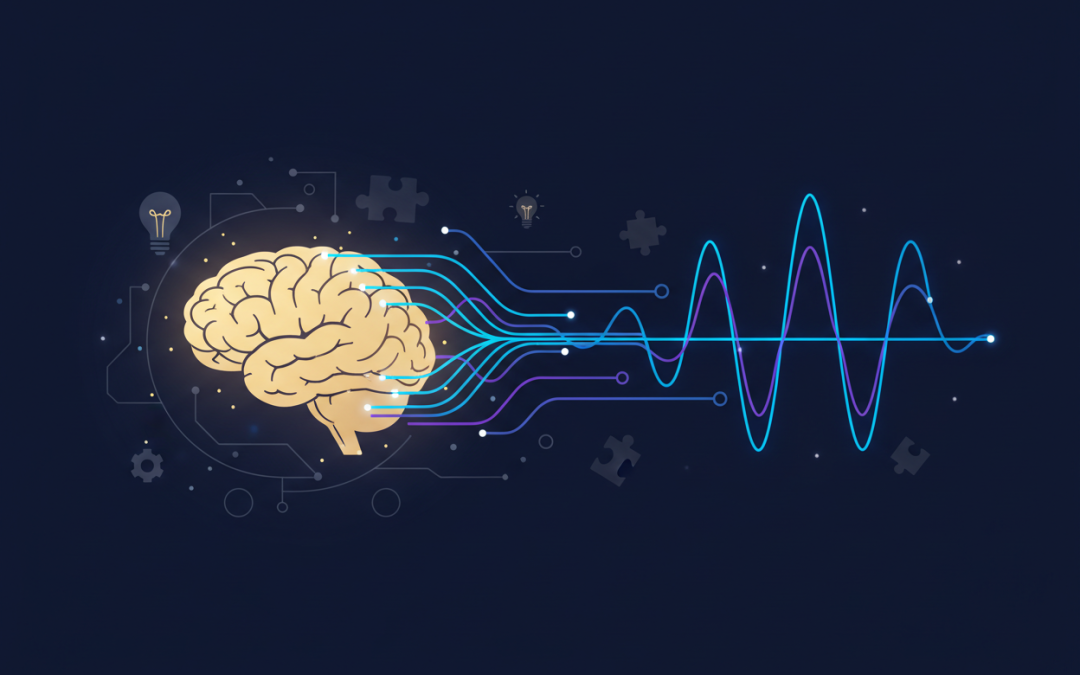
Gamma waves represent the fastest brain wave frequency, oscillating between 30-100 Hz, with most research focusing on the 40 Hz range. These rapid neural oscillations have captured the attention of researchers worldwide because of their remarkable connection to enhanced cognitive performance, heightened awareness, and what many describe as peak mental states.
In this comprehensive guide, we’ll explore how gamma waves function as your brain’s secret weapon for cognitive enhancement, diving deep into the science while providing practical strategies you can implement today to boost your mental performance.
Understanding Gamma Waves: Your Brain’s High-Performance Mode
Think of gamma waves as your brain’s way of shifting into overdrive. When neurons fire in synchrony at gamma frequencies, they create a state of heightened neural connectivity that researchers often associate with moments of insight, creative breakthroughs, and peak cognitive performance.
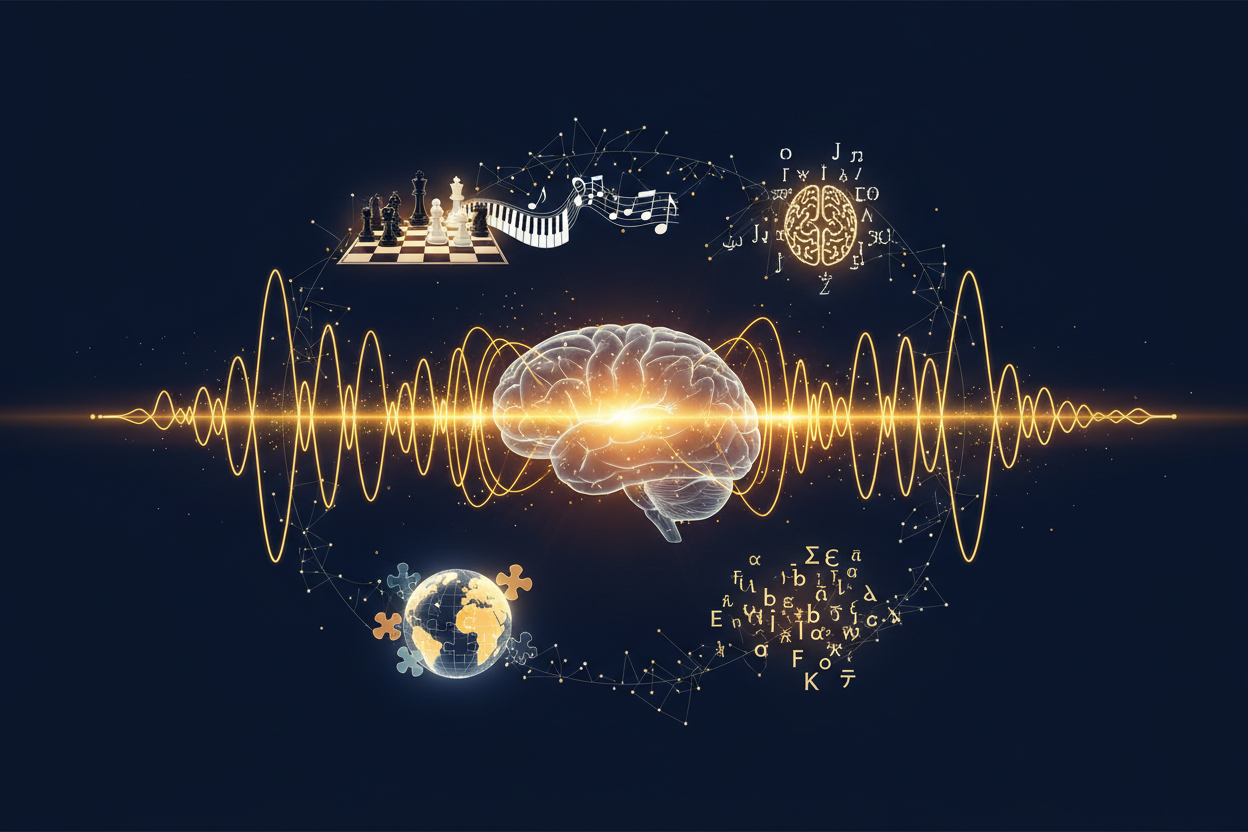
Unlike other brain waves that dominate during specific states – such as alpha waves during relaxation or theta waves during deep meditation – gamma waves appear across various conscious states. They’re particularly prominent during moments of intense focus, learning, and what psychologists call “flow states.”
What makes gamma waves truly fascinating is their role in binding disparate pieces of information together. Imagine your brain as an orchestra where different sections play different parts. Gamma waves act like the conductor, ensuring all sections play in perfect harmony to create a beautiful, coherent symphony of thought.
Recent neuroimaging studies have shown that people with naturally higher gamma wave activity often demonstrate superior working memory, faster information processing, and enhanced problem-solving abilities. This discovery has sparked intense interest in finding ways to artificially boost gamma wave production.
The Cognitive Benefits of Gamma Wave Activity
Enhanced Memory and Learning
One of the most significant benefits of increased gamma wave activity is its impact on memory formation and retrieval. Research conducted at MIT found that gamma waves play a crucial role in linking memories across different brain regions, essentially creating a more robust and accessible memory network.
When your brain produces more gamma waves, you’re likely to experience improved working memory – that mental workspace where you temporarily hold and manipulate information. This translates to better performance in tasks requiring you to juggle multiple pieces of information simultaneously, such as mental math, reading comprehension, or following complex instructions.
Increased Focus and Attention
Gamma waves are strongly associated with sustained attention and the ability to filter out distractions. People with higher gamma activity show improved performance on attention-demanding tasks and demonstrate greater resistance to interference from irrelevant stimuli.
This enhanced focus isn’t just about concentration duration – it’s about the quality of attention. Gamma wave activity appears to sharpen your mental spotlight, allowing you to perceive details and patterns that might otherwise escape notice.
Accelerated Information Processing
The high-frequency nature of gamma waves corresponds to faster neural processing speeds. This means quicker reaction times, faster decision-making, and the ability to process complex information more efficiently. For professionals in fast-paced environments, this can translate to significant performance advantages.
Enhanced Creativity and Problem-Solving
Perhaps most intriguingly, gamma waves are associated with moments of creative insight – those “aha!” moments when solutions suddenly become clear. The enhanced neural connectivity facilitated by gamma activity allows your brain to form novel connections between previously unrelated concepts, fostering creative thinking and innovative problem-solving.
Natural Ways to Increase Gamma Wave Production
Meditation and Mindfulness Practices
Long-term meditation practitioners, particularly those engaged in loving-kindness meditation, show dramatically increased gamma wave activity. Some Tibetan monks have been found to produce gamma waves of unprecedented amplitude during compassion meditation – levels so high they initially broke the researchers’ equipment.
You don’t need to become a monk to benefit from this effect. Regular mindfulness meditation, even just 10-20 minutes daily, can gradually increase your baseline gamma activity. Focus particularly on open-monitoring meditation techniques, where you observe thoughts and sensations without judgment.
Challenging Cognitive Activities
Engaging in mentally demanding tasks naturally stimulates gamma wave production. This includes activities like learning a new language, playing chess, solving complex puzzles, or mastering a musical instrument. The key is to choose activities that push you slightly beyond your current skill level – challenging enough to engage your full attention but not so difficult as to cause frustration.
Cross-training your brain with diverse cognitive challenges appears to be particularly effective. Instead of focusing on just one type of mental exercise, rotate between different activities that challenge various cognitive domains.
Physical Exercise and Movement
Aerobic exercise has been shown to increase gamma wave activity, particularly in regions associated with executive function and attention. High-intensity interval training (HIIT) appears to be especially effective, possibly because it requires rapid switching between different physiological states.
Yoga and tai chi, which combine physical movement with mindful attention, also show promise for gamma wave enhancement. These practices seem to create an ideal state for sustained gamma activity by combining physical engagement with mental focus.
Binaural Beats and Audio Stimulation
Listening to binaural beats in the gamma frequency range (typically 40 Hz) may help entrain your brain to produce more gamma waves. While the research is still emerging, some studies suggest that regular exposure to gamma-frequency binaural beats can enhance cognitive performance and increase natural gamma production over time.
For best results, use high-quality headphones and listen for 15-30 minutes during focused work sessions. Combine this with cognitively demanding tasks to maximize the potential benefits.
Technology and Tools for Gamma Wave Enhancement
Neurofeedback Training
Neurofeedback represents one of the most direct approaches to gamma wave training. This technology provides real-time feedback about your brain wave activity, allowing you to learn to consciously influence your neural states. Many users report improved focus, memory, and overall cognitive performance after completing neurofeedback protocols targeting gamma enhancement.
While professional neurofeedback sessions can be expensive, consumer-grade devices are becoming increasingly accessible and affordable. These tools typically use EEG sensors to monitor brain activity and provide visual or auditory feedback when you achieve desired brain states.
Light and Sound Therapy
Photobiomodulation therapy using specific light frequencies has shown promise for enhancing gamma wave activity. Some research suggests that exposure to 40 Hz flickering light may help stimulate gamma oscillations, particularly in brain regions associated with memory and attention.
Similarly, rhythmic sound stimulation at gamma frequencies appears to influence brain wave patterns. These approaches are still being researched, but early results are encouraging for cognitive enhancement applications.
Brain Training Apps and Software
Several digital platforms now offer training programs specifically designed to enhance gamma wave activity. These typically combine cognitive exercises with real-time brain monitoring to provide personalized training protocols.
While the effectiveness varies between platforms and individuals, many users report improvements in attention, working memory, and processing speed after consistent use of gamma-focused brain training programs.
Real-World Applications and Success Stories
The practical applications of gamma wave enhancement extend far beyond the laboratory. Students using gamma wave training techniques report improved study efficiency and better test performance. Business professionals describe enhanced decision-making abilities and increased creative problem-solving capacity.
Athletes have begun incorporating gamma wave training into their mental conditioning programs, finding that enhanced neural synchrony translates to improved reaction times and better performance under pressure. Some report entering flow states more easily and maintaining peak performance for longer periods.
Healthcare professionals working in high-stress environments have found gamma wave training helpful for maintaining focus during long procedures and making quick, accurate decisions in critical situations.
One particularly compelling case involves a software developer who struggled with attention issues. After six months of consistent meditation practice combined with gamma-frequency binaural beats during coding sessions, he reported significant improvements in his ability to maintain focus on complex programming tasks and solve difficult technical problems more efficiently.
Potential Risks and Considerations
While gamma wave enhancement is generally considered safe for healthy individuals, it’s important to approach these techniques with awareness and moderation. Some people may experience headaches, anxiety, or sleep disturbances when first beginning gamma wave training, particularly with technological interventions.
Individuals with epilepsy or other seizure disorders should consult with healthcare providers before attempting gamma wave enhancement, as rapid neural oscillations could potentially trigger seizure activity in susceptible individuals.
It’s also worth noting that more isn’t always better when it comes to gamma waves. Excessive gamma activity has been associated with anxiety and certain psychiatric conditions. The goal should be balanced, controlled enhancement rather than maximum amplitude.
Start slowly with any gamma wave training program, monitor your response carefully, and adjust intensity based on your individual tolerance and results.
Conclusion: Harnessing Gamma Waves for Peak Performance
Gamma waves represent one of neuroscience’s most exciting frontiers for cognitive enhancement. These rapid neural oscillations offer a natural pathway to improved memory, enhanced focus, faster processing speed, and increased creativity – benefits that can transform both professional performance and personal well-being.
The beauty of gamma wave enhancement lies in its accessibility. Whether through meditation, challenging cognitive activities, physical exercise, or technological aids, multiple pathways exist for boosting your brain’s high-performance capabilities.
Remember that consistency is key. Like physical fitness, cognitive enhancement through gamma wave training requires regular practice and patience. Start with techniques that resonate with you personally – whether that’s meditation, brain training exercises, or binaural beats – and gradually expand your toolkit as you become more comfortable with the practices.
As our understanding of gamma waves continues to evolve, we’re likely to discover even more powerful applications for cognitive enhancement. By beginning your gamma wave journey today, you’re positioning yourself at the forefront of a revolution in human cognitive potential.
The question isn’t whether gamma waves can boost your cognitive performance – the research clearly demonstrates they can. The question is: are you ready to unlock your brain’s hidden potential?
Frequently Asked Questions
Q: How quickly can I expect to see results from gamma wave training?
A: Results vary significantly between individuals. Some people notice improved focus and alertness within days of starting meditation or binaural beat sessions, while others may need several weeks of consistent practice. Most research suggests that meaningful cognitive improvements typically become apparent after 4-8 weeks of regular training.
Q: Are there any side effects of gamma wave enhancement?
A: Most people experience no negative side effects from natural gamma wave enhancement techniques like meditation or cognitive training. However, some individuals may initially experience mild headaches, restlessness, or changes in sleep patterns. These effects typically diminish as the brain adapts to the training.
Q: Can children benefit from gamma wave training?
A: While research on gamma wave training in children is limited, meditation and cognitive training programs have shown benefits for young people, particularly those with attention difficulties. However, it’s important to use age-appropriate techniques and consult with healthcare providers when considering any intervention for children.
Q: How long should I practice gamma wave enhancement techniques each day?
A: For meditation and mindfulness practices, 10-20 minutes daily is typically sufficient for beginners. Binaural beat sessions can range from 15-30 minutes. The key is consistency rather than duration – regular short sessions are more effective than occasional long ones.
Q: Can gamma wave training replace other cognitive enhancement methods?
A: Gamma wave training works best as part of a comprehensive approach to cognitive health. Combine it with adequate sleep, regular exercise, proper nutrition, and ongoing learning for optimal results. Think of gamma wave enhancement as one powerful tool in a broader cognitive fitness toolkit.
Q: Is expensive equipment necessary for gamma wave training?
A: Not at all. Many effective gamma wave enhancement techniques, such as meditation, cognitive challenges, and physical exercise, require no equipment. While neurofeedback devices and specialized software can be helpful, they’re not essential for experiencing benefits from gamma wave training.