
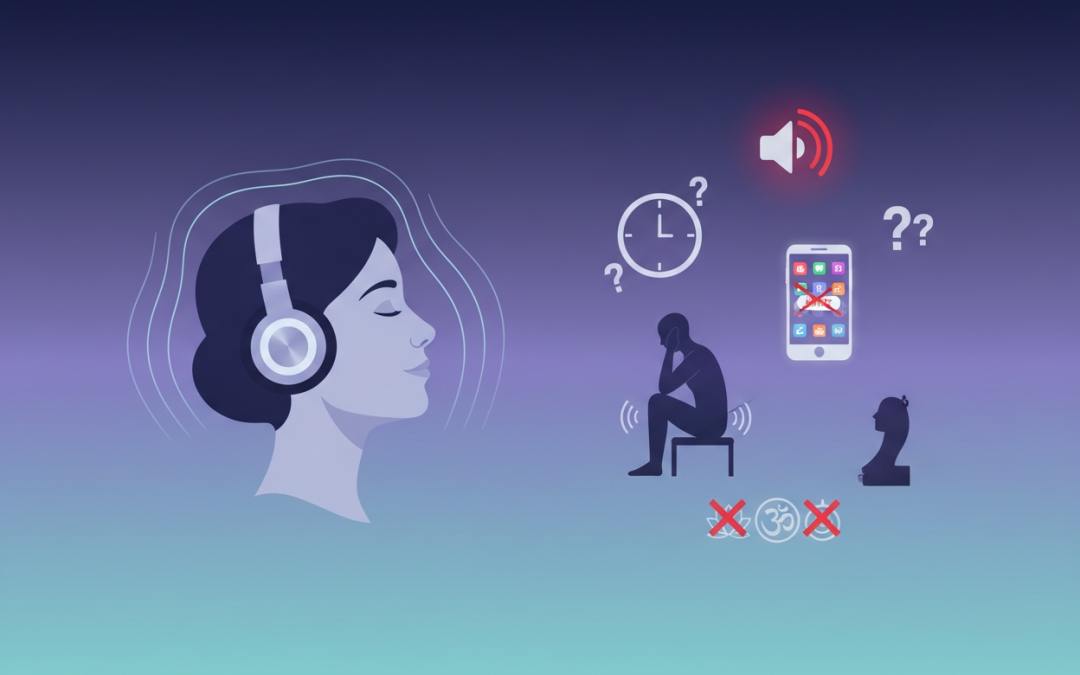
5 Common Mistakes People Make When Using Binaural Beats
Table of Contents
1. Introduction to Binaural Beats
2. Mistake #1: Not Using Proper Headphones
3. Mistake #2: Playing Binaural Beats Too Loudly
4. Mistake #3: Expecting Instant Results
5. Mistake #4: Using Binaural Beats in the Wrong Environment
6. Mistake #5: Choosing the Wrong Frequency for Your Goals
7. How to Use Binaural Beats Effectively
8. Conclusion
9. Frequently Asked Questions
Introduction to Binaural Beats
Binaural beats have gained tremendous popularity in recent years as a natural way to enhance focus, reduce stress, improve sleep, and even boost creativity. These audio frequencies work by playing slightly different tones in each ear, creating a perceived third frequency that can influence your brainwave patterns. It sounds almost magical, doesn’t it?
However, despite their growing popularity, many people aren’t getting the results they expect from binaural beats. The reason? They’re making fundamental mistakes that prevent these powerful audio tools from working effectively. I’ve been researching and using binaural beats for over five years, and I’ve seen countless individuals struggle with the same issues repeatedly.
In this comprehensive guide, we’ll explore the five most common mistakes people make when using binaural beats and, more importantly, how to avoid them. Whether you’re a complete beginner or someone who’s been disappointed with your results so far, this article will help you maximize the benefits of binaural beat therapy.
Mistake #1: Not Using Proper Headphones
The biggest mistake I see people make is trying to use binaural beats through regular speakers or low-quality earbuds. This is like trying to watch a 4K movie on a broken television – you’re simply not going to get the intended experience.
Binaural beats require stereo separation to work properly. When you play a 200 Hz tone in your left ear and a 210 Hz tone in your right ear, your brain perceives a 10 Hz beat frequency. This phenomenon only occurs when each ear receives a distinct frequency, which is impossible with speakers or poor-quality audio equipment.
For optimal results, you need headphones that provide clear stereo separation and good frequency response. You don’t need to break the bank – a decent pair of over-ear headphones in the $50-100 range will work perfectly. I personally recommend closed-back headphones as they provide better isolation from external noise.
Some people ask me about using bone conduction headphones or wireless earbuds. While these can work, traditional wired headphones typically provide the most reliable experience. The slight audio delay in Bluetooth devices can sometimes interfere with the precise timing required for binaural beats to be effective.
Mistake #2: Playing Binaural Beats Too Loudly
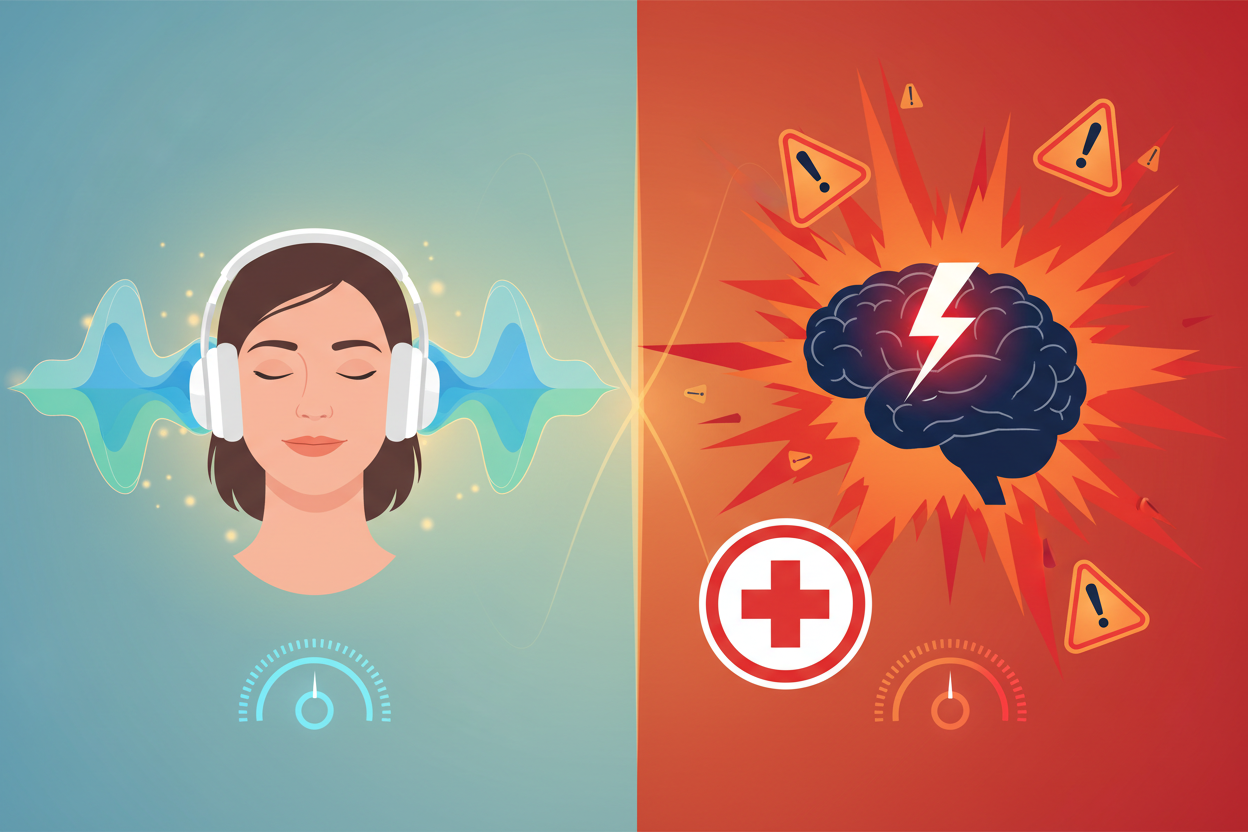
Another common mistake is cranking up the volume, thinking that louder equals more effective. This couldn’t be further from the truth. In fact, playing binaural beats too loudly can be counterproductive and potentially harmful to your hearing.
The ideal volume for binaural beats is just loud enough to be clearly audible – typically around 60-70 decibels, which is roughly the volume of normal conversation. You should be able to hear the beats clearly without straining, but they shouldn’t overpower your thoughts or cause any discomfort.
When I first started using binaural beats, I made this exact mistake. I thought turning up the volume would make them work faster or more intensely. Instead, I ended up with headaches and couldn’t focus properly. The sweet spot is finding a comfortable volume where the beats are present but not intrusive.
Remember, binaural beats work through entrainment – gradually guiding your brainwaves to match the target frequency. This is a subtle process that doesn’t require high volumes. Think of it like a gentle nudge rather than a forceful push.
Mistake #3: Expecting Instant Results
We live in an instant gratification society, and many people approach binaural beats with the same mindset. They listen for five minutes, don’t feel dramatically different, and conclude that binaural beats don’t work. This is perhaps the most frustrating mistake because it prevents people from experiencing the real benefits.
Binaural beats typically require 15-30 minutes to begin showing noticeable effects, and some people may need even longer. Your brain needs time to synchronize with the target frequency through a process called entrainment. This isn’t like flipping a switch – it’s more like gradually tuning a radio to find the clearest signal.
During my early experiments with binaural beats, I noticed that the most profound effects often came after 20-25 minutes of consistent listening. The first 10-15 minutes were usually spent settling into the experience, with the real benefits emerging later in the session.
Additionally, the effects can be cumulative. Regular use over weeks or months often produces more significant and lasting results than sporadic sessions. Think of binaural beats as a form of mental training – like going to the gym for your brain. You wouldn’t expect to see dramatic physical changes after one workout, and the same principle applies here.
Mistake #4: Using Binaural Beats in the Wrong Environment
Environment plays a crucial role in the effectiveness of binaural beats, yet many people overlook this factor entirely. I’ve seen people try to use relaxation-focused binaural beats in noisy coffee shops or attempt to use focus-enhancing frequencies while lying in bed with the TV on in the background.
For binaural beats to work effectively, you need an environment that supports your intended goal. If you’re using them for relaxation or meditation, find a quiet, comfortable space where you won’t be interrupted. Dim the lights, put away distracting devices, and create a peaceful atmosphere.
For focus-related applications, you’ll want a clean, organized workspace free from visual and auditory distractions. Some people find that combining binaural beats with specific environmental elements – like soft lighting for relaxation or natural light for focus – enhances the overall experience.
Temperature also matters more than you might think. A room that’s too hot or too cold can prevent you from fully relaxing into the binaural beat experience. I’ve found that a slightly cool room (around 68-70°F) works best for most applications.
Mistake #5: Choosing the Wrong Frequency for Your Goals
Different binaural beat frequencies are designed for different purposes, and using the wrong frequency for your goal is like taking medicine for the wrong condition – it simply won’t work as intended. This mistake is particularly common among beginners who don’t understand the relationship between frequency ranges and their effects on consciousness.
Here’s a quick breakdown of the main frequency ranges and their typical applications:
Delta waves (0.5-4 Hz) are associated with deep sleep and healing. These are perfect for bedtime use but would be counterproductive if you’re trying to focus on work.
Theta waves (4-8 Hz) promote deep relaxation, creativity, and meditation. They’re excellent for stress relief and creative pursuits but not ideal for tasks requiring sharp analytical thinking.
Alpha waves (8-13 Hz) create a relaxed yet alert state, perfect for light meditation, studying, or creative work that requires both relaxation and focus.
Beta waves (13-30 Hz) enhance focus, concentration, and analytical thinking. These are your go-to frequencies for work, studying, or any task requiring sustained attention.
Gamma waves (30+ Hz) are associated with heightened awareness and peak cognitive performance, though they should be used sparingly and with caution.
I learned this lesson the hard way when I first started experimenting with binaural beats. I was trying to use delta frequencies during my afternoon work sessions and couldn’t understand why I kept feeling drowsy instead of focused. Once I switched to beta frequencies for work and saved the delta frequencies for bedtime, everything clicked into place.
How to Use Binaural Beats Effectively
Now that we’ve covered the common mistakes, let’s discuss how to use binaural beats properly. The key is to approach them systematically and with realistic expectations.
Start by clearly defining your goal. Are you looking to improve focus, reduce stress, enhance creativity, or improve sleep quality? Once you know your objective, choose the appropriate frequency range and find a high-quality binaural beat track in that range.
Create the right environment for your session. This means finding a quiet space, using proper headphones, and eliminating potential distractions. Set aside adequate time – I recommend starting with 20-30 minute sessions and adjusting based on your experience.
Begin with a comfortable volume and focus on your breathing or the intended activity. Don’t try to force anything to happen; instead, allow yourself to naturally settle into the experience. Some people find it helpful to set a gentle intention at the beginning of each session.
Consistency is crucial for optimal results. Try to use binaural beats regularly – even 15-20 minutes daily can be more effective than sporadic longer sessions. Keep a simple log of your experiences to track what works best for you.
Conclusion
Binaural beats can be incredibly powerful tools for enhancing various aspects of mental performance and well-being, but only when used correctly. By avoiding these five common mistakes – using improper headphones, playing them too loudly, expecting instant results, using them in the wrong environment, and choosing inappropriate frequencies – you’ll be well on your way to experiencing their full benefits.
Remember that binaural beats are not magic bullets, but rather tools that work best when combined with proper technique, realistic expectations, and consistent practice. Like any skill or therapeutic intervention, they require patience and persistence to master.
If you’ve been struggling with binaural beats or haven’t achieved the results you’re looking for, take a step back and evaluate whether you might be making any of these mistakes. Small adjustments to your approach can often lead to dramatically improved outcomes.
The world of binaural beats offers tremendous potential for personal growth and enhancement. By using them correctly and avoiding these common pitfalls, you’ll be able to unlock their full power and integrate them effectively into your daily routine.
Frequently Asked Questions
How long should I listen to binaural beats for optimal results?
Most people see the best results with sessions lasting 20-45 minutes. However, you can start with shorter 15-minute sessions and gradually increase the duration as you become more comfortable with the experience.
Can I use binaural beats while doing other activities?
It depends on your goal and the activity. For focus-enhancing frequencies, you can often use them while working or studying. However, for relaxation or meditation purposes, it’s best to dedicate your full attention to the listening experience.
Are there any side effects or risks associated with binaural beats?
Binaural beats are generally safe for most people when used at appropriate volumes. However, individuals with epilepsy or certain neurological conditions should consult with a healthcare provider before use. Some people may experience mild headaches if they use them too loudly or for extended periods initially.
How quickly can I expect to see results from binaural beats?
Some people notice subtle effects within the first session, while others may need several sessions over days or weeks to experience significant benefits. The effects can be both immediate (during the session) and cumulative (building over time with regular use).
Do I need expensive headphones for binaural beats to work?
While you don’t need the most expensive headphones available, you do need decent quality stereo headphones that provide clear separation between left and right channels. A good pair in the $50-100 range is typically sufficient for most people.