
The Ultimate Guide to Brainwave Entrainment: Science-Backed Relaxation Techniques
Table of Contents
1. What is Brainwave Entrainment?
2. The Science Behind Brainwave Frequencies
3. Different Types of Brainwave Entrainment
4. Proven Benefits of Brainwave Entrainment
5. How to Get Started with Brainwave Entrainment
6. Best Practices for Maximum Results
7. Common Mistakes to Avoid
8. Frequently Asked Questions
9. Conclusion
Have you ever wondered why certain sounds instantly calm your mind while others energize you? The answer lies in a fascinating phenomenon called brainwave entrainment, a scientifically-backed method that’s revolutionizing how we approach relaxation, focus, and mental wellness. This comprehensive guide will walk you through everything you need to know about this powerful technique that’s helping millions of people worldwide achieve deeper states of relaxation and enhanced cognitive performance.
What is Brainwave Entrainment?
Brainwave entrainment is a method of stimulating the brain into entering a specific state by using pulsing sounds, light, or electromagnetic fields. The human brain has a natural tendency to synchronize its brainwave frequencies to the rhythm of periodic external stimuli, a phenomenon known as the “frequency following response.”
Think of it like this: when you hear a steady drumbeat, your brain naturally wants to match that rhythm. Scientists have discovered that by exposing your brain to specific frequencies, you can guide it into desired states of consciousness, whether that’s deep relaxation, heightened focus, or even improved sleep quality.
This isn’t some new-age concept – it’s grounded in solid neuroscience. Researchers have been studying brainwave entrainment for decades, and the evidence consistently shows its effectiveness in promoting various mental states and therapeutic benefits.
The Science Behind Brainwave Frequencies
Your brain operates at different frequencies throughout the day, much like a radio tuning into different stations. These brainwave patterns are measured in Hertz (Hz) and fall into five main categories:
Delta Waves (0.5-4 Hz): These are the slowest brainwaves, associated with deep sleep, healing, and regeneration. When your brain is in delta state, your body focuses on repair and restoration.
Theta Waves (4-8 Hz): Often called the “twilight state,” theta waves occur during light sleep, deep meditation, and creative visualization. This frequency is linked to enhanced memory, learning, and spiritual experiences.
Alpha Waves (8-13 Hz): These represent a relaxed, calm state of mind. You naturally produce alpha waves when you’re daydreaming, practicing light meditation, or feeling peacefully alert.
Beta Waves (13-30 Hz): This is your normal waking consciousness, associated with active thinking, problem-solving, and focused attention. However, excessive beta activity can lead to stress and anxiety.
Gamma Waves (30-100 Hz): The fastest brainwaves, gamma waves are linked to heightened awareness, cognitive processing, and moments of insight or breakthrough thinking.
Different Types of Brainwave Entrainment
There are several methods to achieve brainwave entrainment, each with its own unique advantages and applications. Understanding these different approaches will help you choose the most suitable technique for your specific needs.
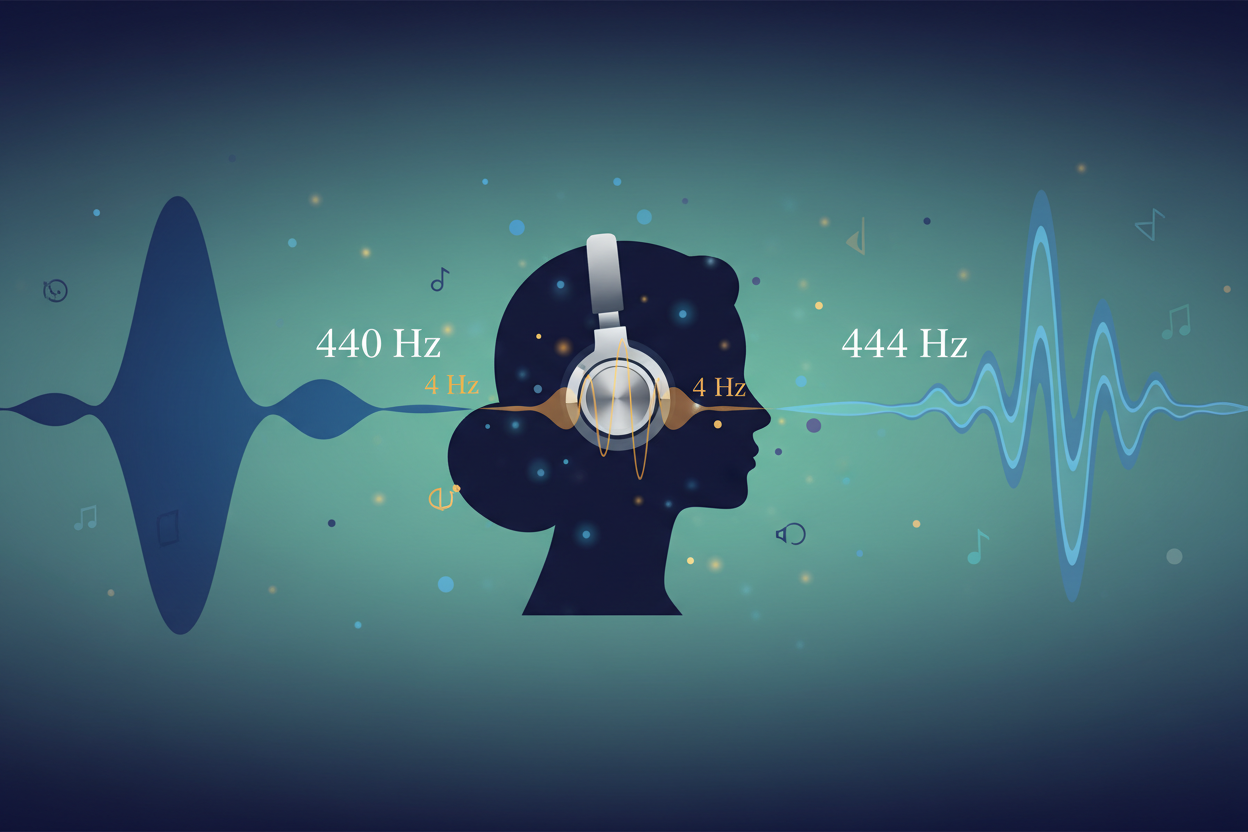
Binaural Beats: This popular method involves playing two slightly different frequencies in each ear. For example, if you hear 440 Hz in your left ear and 444 Hz in your right ear, your brain perceives a 4 Hz binaural beat. This technique requires headphones and has been extensively studied for its relaxation and cognitive benefits.
Monaural Beats: Unlike binaural beats, monaural beats are created by combining two tones of different frequencies before they reach your ears. This means you don’t need headphones, making it more convenient for group sessions or when using speakers.
Isochronic Tones: These are evenly spaced tone pulses that turn on and off rapidly. Many practitioners find isochronic tones more effective than binaural beats because they don’t require headphones and tend to produce stronger entrainment effects.
Light Entrainment: Also known as photic entrainment, this method uses flashing lights at specific frequencies to influence brainwave activity. Special devices with LED lights can be synchronized with audio for a multi-sensory experience.
Proven Benefits of Brainwave Entrainment
The scientific literature on brainwave entrainment reveals an impressive array of benefits that extend far beyond simple relaxation. Research conducted at prestigious institutions worldwide has documented significant improvements in various aspects of mental and physical health.
Stress Reduction and Anxiety Relief: Multiple studies have shown that regular brainwave entrainment sessions can significantly reduce cortisol levels and subjective feelings of stress. A 2017 study published in the Journal of Neurotherapy found that participants experienced a 26% reduction in anxiety symptoms after just eight weeks of binaural beat therapy.
Enhanced Sleep Quality: If you struggle with insomnia or restless nights, brainwave entrainment might be your solution. Research indicates that delta wave entrainment can help people fall asleep faster and enjoy deeper, more restorative sleep cycles.
Improved Focus and Concentration: Beta and gamma wave entrainment has been shown to enhance cognitive performance, increase attention span, and improve working memory. Students and professionals often use these techniques to boost productivity and mental clarity.
Pain Management: Surprisingly, brainwave entrainment has shown promise in managing chronic pain. The relaxation response triggered by certain frequencies can help reduce pain perception and improve quality of life for those dealing with persistent discomfort.
Meditation Enhancement: Even experienced meditators can benefit from brainwave entrainment. Theta and alpha wave sessions can help beginners achieve meditative states more easily while allowing advanced practitioners to deepen their practice.
How to Get Started with Brainwave Entrainment
Beginning your brainwave entrainment journey doesn’t require expensive equipment or extensive training. Here’s a step-by-step approach to help you start experiencing the benefits today.
Choose Your Method: Start with binaural beats if you’re comfortable wearing headphones, or try isochronic tones if you prefer more flexibility. Many free apps and websites offer high-quality entrainment tracks for beginners.
Create the Right Environment: Find a quiet, comfortable space where you won’t be disturbed. Dim the lights, ensure comfortable temperature, and consider using a comfortable chair or lying down on a yoga mat.
Start with Short Sessions: Begin with 10-15 minute sessions to allow your brain to adapt gradually. As you become more comfortable with the experience, you can extend sessions to 30-60 minutes.
Set Clear Intentions: Before starting, decide what you want to achieve. Are you seeking relaxation, improved focus, or better sleep? Different frequencies serve different purposes, so clarity about your goals will help you choose the right tracks.
Be Consistent: Like any wellness practice, consistency is key. Try to incorporate brainwave entrainment into your daily routine, whether it’s a morning focus session or an evening relaxation practice.
Best Practices for Maximum Results
To get the most out of your brainwave entrainment practice, consider these evidence-based recommendations that can significantly enhance your experience and results.
Timing Matters: Your brain’s receptivity to entrainment varies throughout the day. Morning sessions work well for focus and energy, while evening sessions are ideal for relaxation and sleep preparation. Pay attention to your natural rhythms and schedule sessions accordingly.
Combine with Other Techniques: Brainwave entrainment works synergistically with other wellness practices. Try combining it with deep breathing exercises, progressive muscle relaxation, or visualization techniques for enhanced benefits.
Stay Hydrated: Proper hydration supports optimal brain function and can improve your response to entrainment. Drink water before and after sessions, but avoid excessive amounts during the session to prevent interruptions.
Track Your Progress: Keep a simple journal noting how you feel before and after sessions. This will help you identify which frequencies and durations work best for your specific needs and goals.
Be Patient: While some people experience immediate effects, others may need several sessions before noticing significant changes. Trust the process and give your brain time to adapt to this new form of stimulation.
Common Mistakes to Avoid
Even with the best intentions, it’s easy to make mistakes that can limit the effectiveness of your brainwave entrainment practice. Here are the most common pitfalls and how to avoid them.
Using Poor Quality Audio: Not all entrainment tracks are created equal. Avoid low-quality recordings or tracks that haven’t been properly calibrated. Invest in reputable sources or apps that use scientifically-accurate frequencies.
Expecting Instant Miracles: While brainwave entrainment is powerful, it’s not magic. Avoid the disappointment of unrealistic expectations by understanding that meaningful changes often require consistent practice over time.
Ignoring Volume Levels: The volume should be comfortable and not overwhelming. Too loud can be counterproductive and potentially harmful, while too quiet may not provide adequate stimulation for entrainment to occur.
Multitasking During Sessions: Resist the urge to check your phone, read, or engage in other activities during entrainment sessions. The brain needs focused attention to achieve optimal synchronization with the external stimulus.
Skipping the Preparation Phase: Jumping straight into a session without proper preparation can reduce effectiveness. Take a few minutes to settle in, set intentions, and prepare your mind for the experience.
Frequently Asked Questions
Q: Is brainwave entrainment safe for everyone?
A: Brainwave entrainment is generally safe for most people. However, individuals with epilepsy, seizure disorders, or certain psychiatric conditions should consult with a healthcare provider before use. Pregnant women and children should also seek medical advice first.
Q: How long does it take to see results?
A: Results vary by individual and intended outcome. Some people notice immediate relaxation effects, while others may need 2-4 weeks of consistent practice to experience significant benefits. Patience and consistency are key factors in success.
Q: Can I use brainwave entrainment while sleeping?
A: Yes, delta wave entrainment is specifically designed to support sleep. However, it’s generally recommended to start the session while awake and allow it to guide you into sleep naturally.
Q: Do I need expensive equipment to get started?
A: Not at all. You can begin with free apps or online resources using regular headphones or speakers. As you develop your practice, you might choose to invest in higher-quality equipment, but it’s not necessary for beginners.
Q: Can brainwave entrainment replace meditation?
A: Brainwave entrainment can enhance meditation but shouldn’t necessarily replace traditional practices entirely. Many people find it helpful as a tool to deepen their meditation or as an alternative when traditional meditation feels challenging.
Q: Are there any side effects?
A: Side effects are rare and usually mild, such as slight headaches or dizziness when first starting. These typically resolve as your brain adapts to the practice. If you experience persistent discomfort, reduce session length or frequency.
Conclusion
Brainwave entrainment represents a fascinating intersection of ancient wisdom and modern science, offering a practical and accessible path to enhanced well-being. Whether you’re seeking stress relief, improved sleep, better focus, or deeper meditation experiences, this scientifically-backed technique provides a valuable tool for optimizing your mental state.
The beauty of brainwave entrainment lies in its simplicity and versatility. You don’t need years of training or expensive equipment to begin experiencing its benefits. With just a few minutes each day and the right approach, you can start harnessing the power of your brain’s natural tendency to synchronize with external rhythms.
Remember, like any wellness practice, brainwave entrainment works best when approached with patience, consistency, and realistic expectations. Start small, stay consistent, and pay attention to how your mind and body respond. As you develop your practice, you’ll likely discover that this powerful technique becomes an invaluable part of your daily wellness routine.
The science is clear, the benefits are real, and the potential for positive change is in your hands. Why not give brainwave entrainment a try today and experience firsthand what millions of people worldwide have already discovered about this remarkable relaxation technique?