
The Impact of Meditation on Brainwave Activity in Adults: Unlocking Your Mind’s Hidden Potential ?
Table of Contents
• Introduction: The Science Behind Meditation and Brain Activity
• Understanding Brainwave Patterns: Your Mind’s Electrical Symphony
• How Meditation Transforms Your Brainwaves
• The Alpha State: Gateway to Relaxation and Creativity
• Theta Waves: Deep Meditation and Healing
• Scientific Research on Meditation and Brainwave Changes
• Practical Benefits of Meditation-Induced Brainwave Changes
• Getting Started: Simple Meditation Techniques for Brainwave Optimization
• Long-term Effects on Brain Health and Cognitive Function
• Conclusion: Your Journey to Better Brain Health
• Frequently Asked Questions
Introduction: The Science Behind Meditation and Brain Activity
Have you ever wondered what actually happens inside your brain when you meditate? ? While you’re sitting quietly, focusing on your breath or a mantra, your brain is undergoing remarkable transformations that scientists are only beginning to fully understand. The impact of meditation on brainwave activity in adults represents one of the most fascinating intersections between ancient wisdom and modern neuroscience.
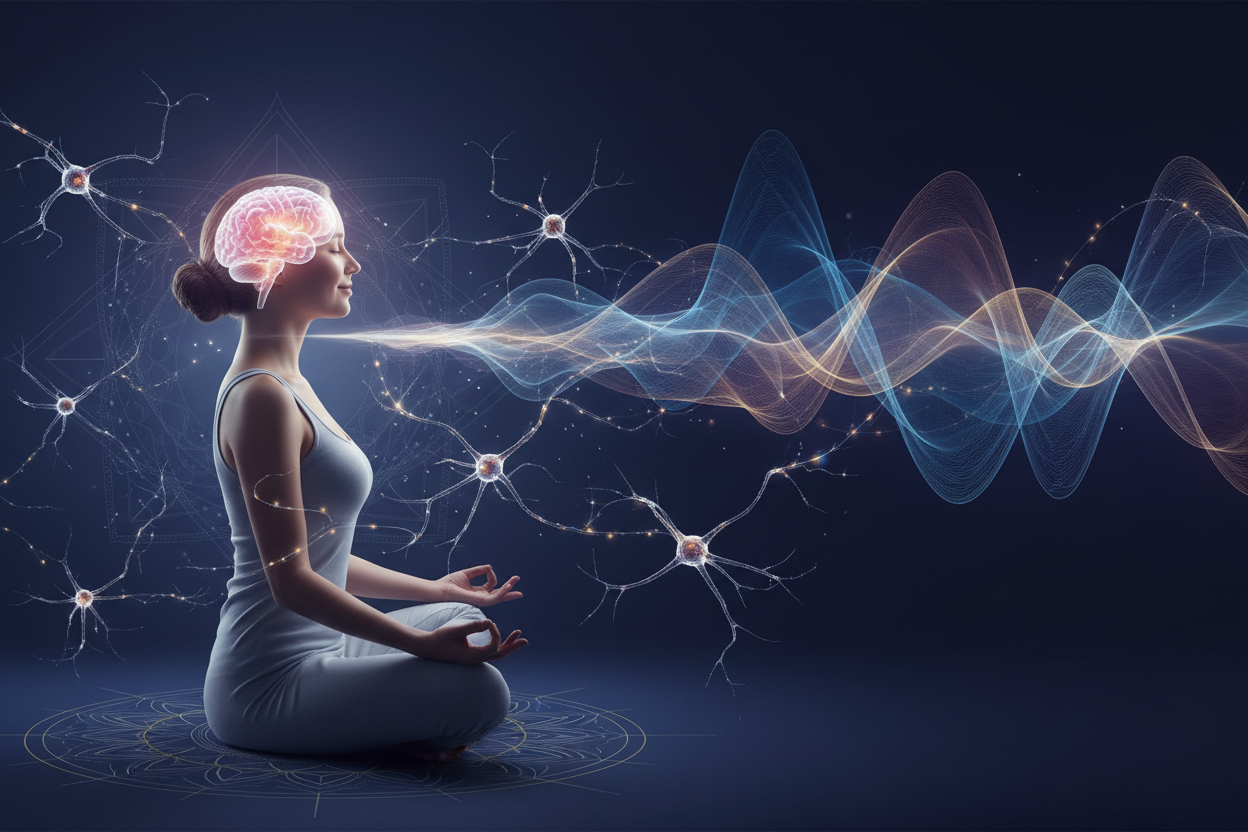
As someone who’s been exploring meditation for years, I’ve always been curious about the “why” behind its profound effects. It turns out that meditation doesn’t just make us feel better – it literally rewires our brains and changes the electrical patterns of our neural activity. These changes in brainwave patterns are measurable, reproducible, and offer compelling evidence for meditation’s powerful impact on mental health, cognitive function, and overall well-being.
In this comprehensive exploration, we’ll dive deep into the scientific research surrounding meditation and brainwave activity, uncovering how this ancient practice can optimize your brain’s performance and enhance your quality of life.
Understanding Brainwave Patterns: Your Mind’s Electrical Symphony
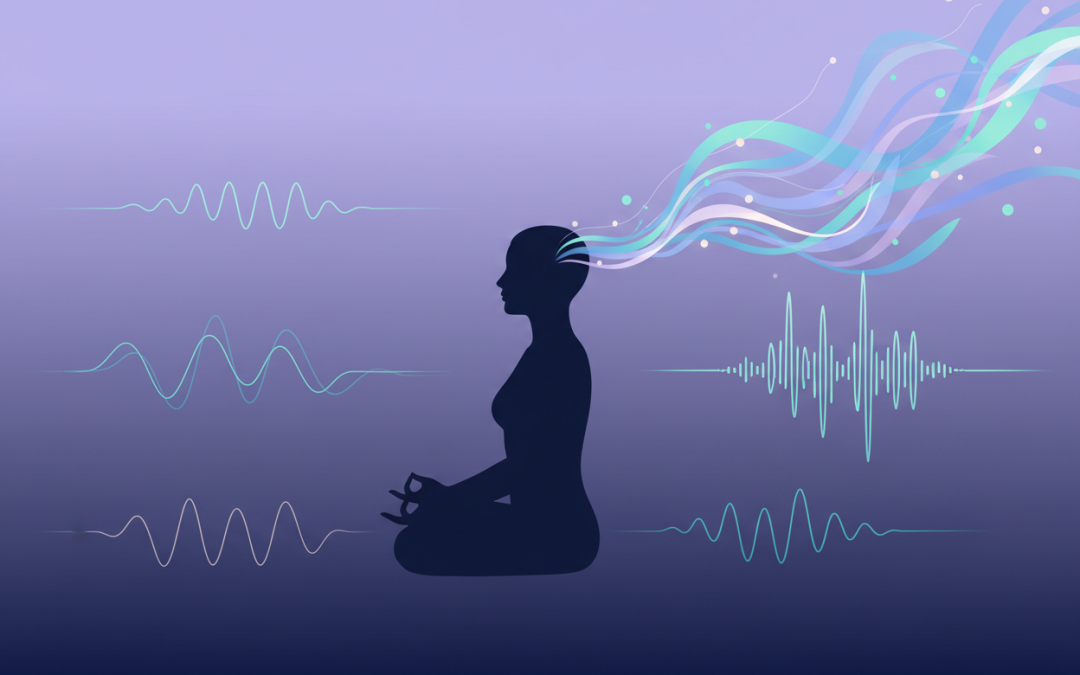
Before we explore how meditation affects brainwave activity, it’s essential to understand what brainwaves actually are. Think of your brain as an incredibly complex electrical network, with billions of neurons constantly communicating through electrical impulses. These electrical patterns create rhythmic waves that can be measured using electroencephalography (EEG) technology.
Scientists have identified five primary types of brainwaves, each associated with different states of consciousness and mental activity:
Beta waves (13-30 Hz): These high-frequency waves dominate our waking consciousness. They’re associated with active thinking, problem-solving, and focused attention. While beta waves are necessary for daily functioning, excessive beta activity can lead to anxiety, stress, and mental fatigue.
Alpha waves (8-13 Hz): Often called the “relaxed awareness” state, alpha waves emerge when we’re calm but alert. This is the sweet spot between active thinking and deep relaxation – imagine the peaceful feeling you get while watching a sunset or listening to gentle music.
Theta waves (4-8 Hz): These slower waves are associated with deep meditation, creativity, and the early stages of sleep. Theta states often accompany profound insights, emotional healing, and access to subconscious memories.
Delta waves (0.5-4 Hz): The slowest brainwaves, delta waves dominate during deep, dreamless sleep and are crucial for physical healing and regeneration.
Gamma waves (30-100 Hz): The fastest brainwaves, gamma waves are linked to heightened awareness, peak cognitive performance, and moments of insight or “aha!” experiences.
How Meditation Transforms Your Brainwaves
When adults engage in regular meditation practice, remarkable changes occur in their brainwave patterns. Research consistently shows that meditation acts like a natural brainwave regulator, helping to balance and optimize neural activity in ways that promote mental clarity, emotional stability, and physical well-being.
During meditation, most people experience a significant shift from beta-dominant patterns to alpha and theta states. This transition represents a fundamental change in consciousness – moving from the busy, often anxious mental chatter of daily life to a state of calm, focused awareness.
What’s particularly fascinating is that these changes don’t just occur during meditation sessions. Long-term meditators show altered baseline brainwave patterns even when they’re not actively meditating. Their brains seem to “remember” the peaceful, balanced states achieved during practice, maintaining higher levels of alpha activity and greater overall neural coherence throughout the day.
This neuroplasticity – the brain’s ability to reorganize and form new neural connections – is one of the most exciting discoveries in modern neuroscience. It means that meditation literally reshapes our brains, creating lasting positive changes in how we think, feel, and respond to life’s challenges.
The Alpha State: Gateway to Relaxation and Creativity ?
Alpha brainwaves deserve special attention because they represent the bridge between conscious and subconscious mind states. When meditation increases alpha wave activity, practitioners often report enhanced creativity, improved learning ability, and a profound sense of inner peace.
In alpha states, the mind becomes highly receptive to new information while remaining relaxed and non-judgmental. This is why many people experience their best creative insights during or shortly after meditation. The alpha state allows different parts of the brain to communicate more effectively, facilitating the kind of whole-brain thinking that leads to innovative solutions and artistic inspiration.
Research has shown that even brief meditation sessions can increase alpha wave production. A study published in the Journal of Cognitive Enhancement found that participants who meditated for just 10 minutes showed significant increases in alpha activity that persisted for up to an hour after the session ended.
For adults dealing with chronic stress, cultivating alpha states through meditation can be particularly beneficial. Alpha waves naturally counteract the excessive beta activity associated with anxiety and mental overwhelm, providing a neurological pathway to relaxation and mental clarity.
Theta Waves: Deep Meditation and Healing
Theta brainwaves represent some of the most profound states accessible through meditation. When brain activity slows to theta frequencies, practitioners often experience deep insights, emotional release, and what many describe as a sense of connection to something greater than themselves.
Advanced meditators frequently access theta states during longer sessions, particularly when practicing techniques like loving-kindness meditation or mindfulness of breathing. In these states, the usual boundaries between self and environment seem to dissolve, leading to experiences of unity and interconnectedness.
From a healing perspective, theta waves are particularly significant. Research suggests that theta states facilitate the brain’s natural healing processes, promoting the release of growth hormones and supporting the formation of new neural pathways. This may explain why meditation has been shown to help with trauma recovery, addiction treatment, and various mental health conditions.
One remarkable study conducted at Harvard Medical School found that participants in an 8-week mindfulness meditation program showed increased theta activity in brain regions associated with emotional regulation and self-awareness. These changes correlated with reported improvements in anxiety, depression, and overall quality of life.
Scientific Research on Meditation and Brainwave Changes
The scientific evidence supporting meditation’s impact on brainwave activity continues to grow, with researchers using increasingly sophisticated technology to map these neural changes. EEG studies have provided the foundation for our understanding, but newer techniques like functional magnetic resonance imaging (fMRI) and positron emission tomography (PET) scans are revealing even more detailed insights.
A landmark study published in the journal Psychological Science followed a group of adults through an intensive meditation retreat, measuring their brainwave patterns before, during, and after the program. Researchers found that participants showed significant increases in gamma wave activity – associated with heightened awareness and cognitive performance – that persisted for months after the retreat ended.
Another fascinating line of research has examined the brainwave patterns of long-term meditation practitioners. Tibetan monks with over 10,000 hours of meditation experience show extraordinary gamma wave activity during compassion meditation – levels that far exceed anything typically seen in non-meditators. This suggests that the brain’s capacity for generating these beneficial states continues to develop with sustained practice.
Perhaps most encouragingly for beginners, studies consistently show that even novice meditators experience measurable brainwave changes within weeks of starting a regular practice. A 2018 study in the journal Mindfulness found that adults who meditated for just 20 minutes daily for four weeks showed significant increases in alpha and theta activity, along with improvements in attention, memory, and emotional regulation.
Practical Benefits of Meditation-Induced Brainwave Changes ?
Understanding the science behind meditation’s effects on brainwaves is fascinating, but what really matters is how these changes translate into real-world benefits for practitioners. The brainwave shifts that occur during meditation create a cascade of positive effects that extend far beyond the meditation cushion.
Enhanced Stress Management: The shift from beta to alpha and theta states during meditation activates the parasympathetic nervous system, triggering the body’s relaxation response. This helps reduce cortisol levels, lower blood pressure, and improve immune function.
Improved Cognitive Performance: Regular meditation practice leads to increased gamma wave activity, which is associated with enhanced focus, memory, and problem-solving abilities. Many practitioners report improved concentration and mental clarity in their daily activities.
Better Emotional Regulation: The balanced brainwave patterns cultivated through meditation help stabilize mood and reduce emotional reactivity. This is particularly beneficial for adults dealing with anxiety, depression, or anger management issues.
Enhanced Creativity and Innovation: The alpha and theta states accessed during meditation facilitate creative thinking and insight. Many artists, writers, and innovators use meditation specifically to enhance their creative abilities.
Improved Sleep Quality: Regular meditation practice helps regulate brainwave patterns, making it easier to transition into the delta states necessary for restorative sleep.
Getting Started: Simple Meditation Techniques for Brainwave Optimization
If you’re inspired to begin experiencing these brainwave benefits yourself, the good news is that you don’t need years of training to start seeing results. Here are some beginner-friendly meditation techniques specifically chosen for their effectiveness in promoting beneficial brainwave changes:
Breath Awareness Meditation: Simply focus on your natural breathing rhythm for 10-20 minutes daily. This practice naturally promotes alpha wave production and is accessible to complete beginners.
Body Scan Meditation: Systematically focus attention on different parts of your body, promoting relaxation and theta wave activity. This technique is particularly effective for stress relief and physical healing.
Loving-Kindness Meditation: Cultivate feelings of compassion and goodwill toward yourself and others. Research shows this practice significantly increases gamma wave activity and promotes emotional well-being.
Mindful Walking: Practice meditation while walking slowly and deliberately, combining physical movement with mindful awareness. This can be especially helpful for those who find sitting meditation challenging.
Remember, consistency is more important than duration when starting out. Even five minutes of daily practice can begin to create positive changes in your brainwave patterns.
Long-term Effects on Brain Health and Cognitive Function
The long-term effects of meditation on brainwave activity and overall brain health are perhaps even more impressive than the immediate benefits. Longitudinal studies following meditators over years and decades reveal profound changes in brain structure and function that suggest meditation may be one of our most powerful tools for maintaining cognitive health as we age.
Research has shown that long-term meditators maintain higher levels of alpha and theta activity throughout their lives, which correlates with better memory, sustained attention, and emotional stability. These individuals also show increased cortical thickness in areas associated with attention and sensory processing, suggesting that meditation may help protect against age-related cognitive decline.
Perhaps most remarkably, studies of elderly meditation practitioners reveal brainwave patterns more similar to those of much younger adults. This suggests that meditation may help slow or even reverse some aspects of brain aging, offering hope for maintaining mental sharpness and emotional well-being throughout life.
Conclusion: Your Journey to Better Brain Health ?
The impact of meditation on brainwave activity in adults represents one of the most compelling examples of how ancient wisdom aligns with modern science. Through measurable changes in neural oscillations, meditation offers a natural, accessible way to optimize brain function, enhance well-being, and unlock human potential.
Whether you’re seeking stress relief, improved cognitive performance, or simply a greater sense of peace and clarity, the brainwave changes induced by meditation can help you achieve your goals. The beauty of this practice lies in its simplicity – no special equipment or expensive treatments required, just a willingness to sit quietly and turn your attention inward.
As you embark on or continue your meditation journey, remember that every session is an investment in your brain health. Each moment of practice contributes to the gradual rewiring of your neural networks, creating lasting positive changes that extend far beyond the meditation cushion.
Start today, be patient with yourself, and trust in the remarkable capacity of your brain to transform and heal. The journey of a thousand miles begins with a single step – or in this case, a single breath.
Frequently Asked Questions
How long does it take to see changes in brainwave patterns from meditation?
Research shows that measurable changes in brainwave activity can occur within just a few weeks of regular practice. Some studies have detected changes after as little as 8 sessions, though more significant and lasting changes typically develop over 2-3 months of consistent practice.
Do I need special equipment to measure my brainwaves during meditation?
While EEG devices can measure brainwaves, they’re not necessary for effective meditation practice. The benefits occur whether you measure them or not. However, consumer-grade EEG devices and meditation apps with biofeedback are becoming more affordable for those interested in tracking their progress.
Can meditation help with ADHD or other attention disorders?
Yes, research suggests that meditation can be beneficial for adults with ADHD. The practice helps increase alpha wave activity and improve attention regulation. However, it should complement, not replace, professional medical treatment.
Is there an optimal time of day to meditate for maximum brainwave benefits?
While meditation is beneficial at any time, many practitioners find morning sessions particularly effective for establishing positive brainwave patterns that carry throughout the day. Evening meditation can help transition the brain into relaxed states conducive to quality sleep.
Can certain types of meditation produce different brainwave patterns?
Absolutely! Concentration-based practices tend to increase alpha and gamma waves, while open awareness meditation often promotes theta activity. Loving-kindness meditation specifically enhances gamma waves, while body-based practices typically increase alpha and theta states.
Roshiwave Meditation Mind Machine
Add CTA sections description.