
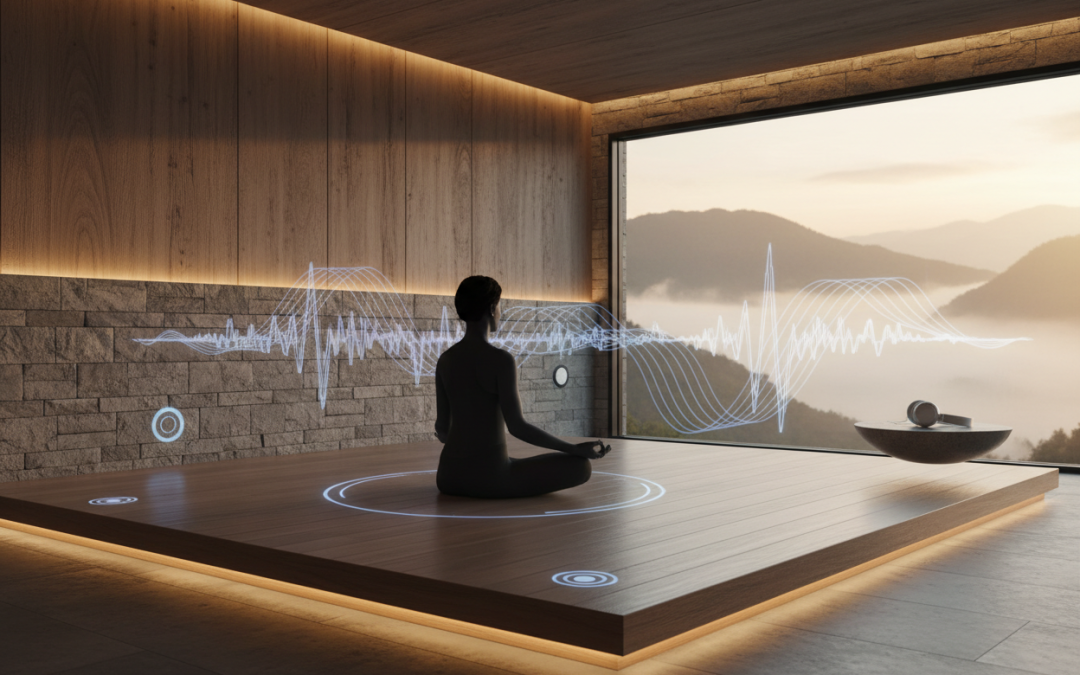
How Relaxation Technology Can Enhance Meditation Retreats ????
Table of Contents
• Introduction to Modern Meditation Retreats
• The Evolution of Relaxation Technology
• Top Technologies Transforming Meditation Experiences
• Benefits of Tech-Enhanced Meditation Retreats
• Choosing the Right Technology for Your Retreat
• Real-World Success Stories
• Balancing Technology with Traditional Practice
• Future Trends in Meditation Technology
• Conclusion
• Frequently Asked Questions
Introduction to Modern Meditation Retreats
Picture this: you’re sitting in a serene mountain sanctuary, surrounded by the gentle sounds of nature, when suddenly your meditation cushion begins to vibrate in perfect harmony with your breathing pattern. This isn’t science fiction – it’s the beautiful reality of how relaxation technology is revolutionizing meditation retreats in 2024. ?
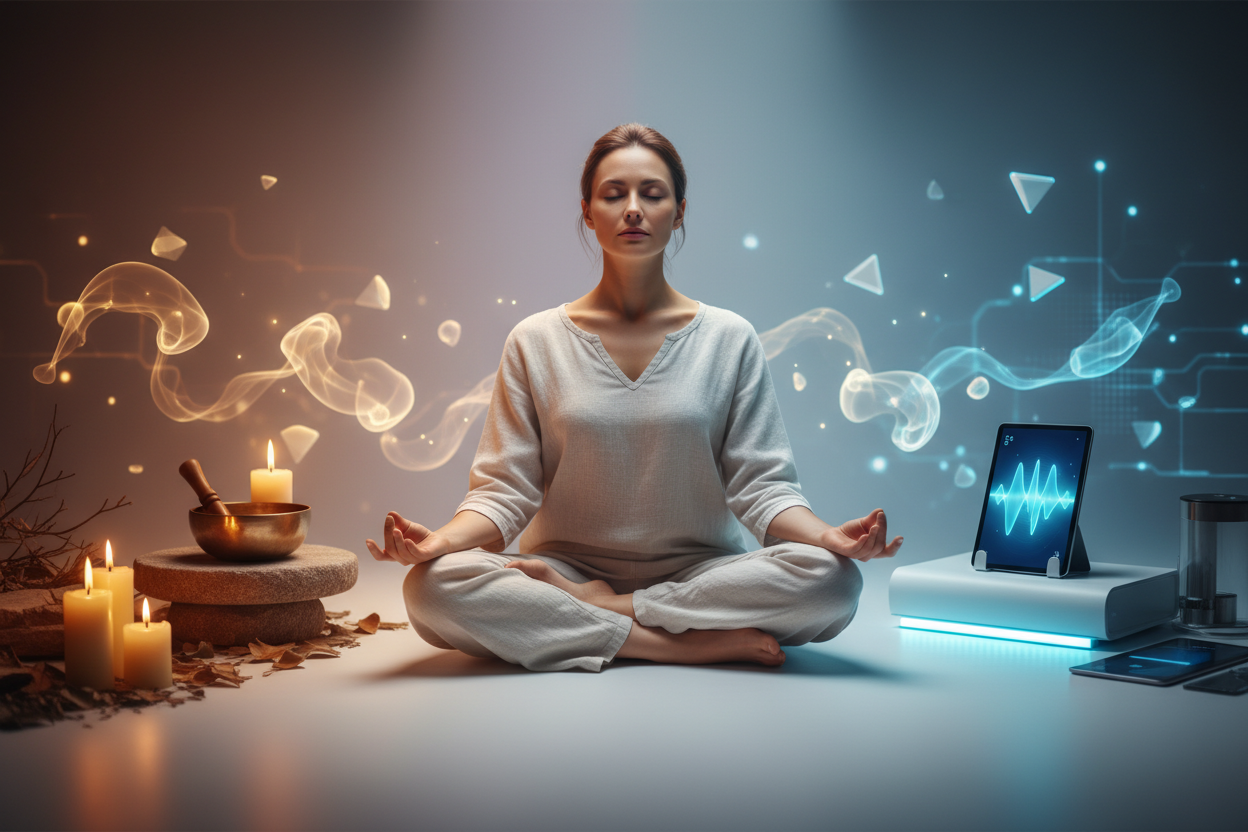
Traditional meditation retreats have always offered a sacred space for inner exploration and spiritual growth. However, today’s wellness seekers are discovering that thoughtfully integrated technology can actually deepen their meditative experiences rather than distract from them. The key lies in understanding how to blend ancient wisdom with modern innovation.
As someone who has personally experienced both traditional and tech-enhanced retreats, I can attest to the profound difference that well-implemented relaxation technology can make. It’s not about replacing the timeless practices that have guided seekers for centuries, but rather about using technology as a supportive tool to help participants access deeper states of consciousness more easily.
The Evolution of Relaxation Technology in Wellness Spaces
The journey of relaxation technology in meditation spaces began with simple ambient sound systems and has evolved into sophisticated biofeedback devices that can monitor and respond to our physiological states in real-time. This evolution reflects our growing understanding of how technology can serve mindfulness rather than hinder it.
Early adopters in the wellness industry recognized that technology doesn’t have to be the enemy of contemplative practice. Instead, when used mindfully, it can create conditions that make meditation more accessible to beginners while offering experienced practitioners new depths to explore. The transformation has been remarkable – from basic guided meditation apps to immersive virtual reality environments that transport participants to otherworldly realms of peace.
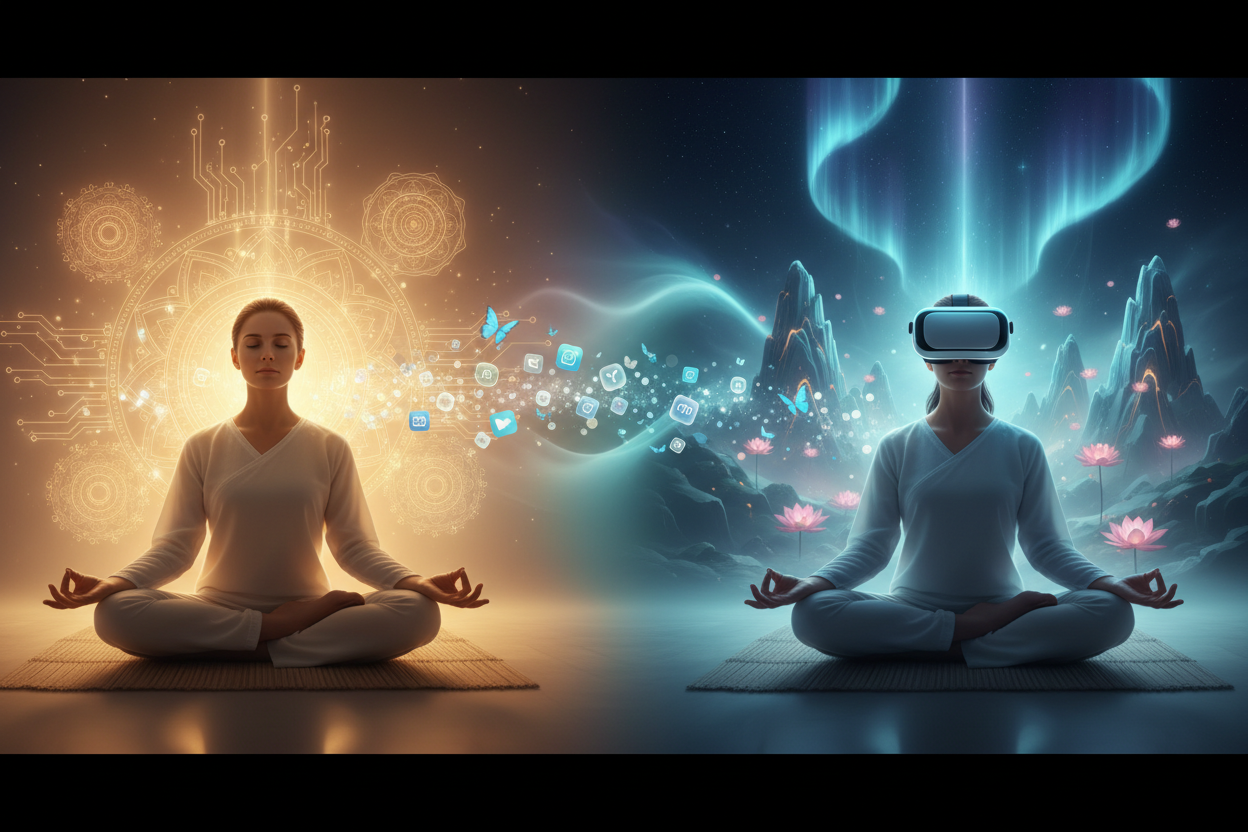
What’s particularly exciting is how this technology is being developed with input from meditation teachers, neuroscientists, and wellness experts. This collaborative approach ensures that each innovation serves the ultimate goal of facilitating genuine relaxation and spiritual insight.
Top Technologies Transforming Meditation Experiences
Biofeedback and Heart Rate Variability Monitors
Heart rate variability (HRV) monitors have become game-changers in meditation retreats. These sophisticated devices provide real-time feedback about your nervous system’s state, helping you understand when you’re truly relaxed versus when you’re simply sitting quietly with an active mind. Many retreat centers now incorporate HRV training sessions where participants learn to consciously influence their autonomic nervous system. ?
The beauty of this technology lies in its ability to make the invisible visible. Participants can literally see their stress levels decrease as they deepen their practice, creating a powerful feedback loop that accelerates learning and builds confidence in their meditation abilities.
Immersive Audio and Spatial Sound Systems
Gone are the days of tinny speakers playing generic nature sounds. Modern meditation retreats are investing in three-dimensional audio systems that can create incredibly realistic soundscapes. Imagine meditating while surrounded by the precise acoustics of a Tibetan monastery or feeling completely enveloped by the gentle lapping of ocean waves.
These systems use advanced algorithms to create binaural beats and isochronic tones that can help synchronize brainwaves and induce specific states of consciousness. The technology is so sophisticated that it can adapt the audio experience based on group energy levels and individual preferences.
Virtual and Augmented Reality Meditation Environments
Virtual reality meditation might sound contradictory, but the results speak for themselves. VR technology can transport participants to stunning natural environments or sacred spaces that would be impossible to visit physically. Picture meditating inside the Great Pyramid of Giza or floating in space among the stars – these experiences can profoundly shift perspective and open new pathways to transcendence. ?
Augmented reality takes a different approach, overlaying helpful visual cues onto the real environment. Some retreat centers use AR to display breathing patterns, energy flows, or chakra visualizations that help participants focus their attention and deepen their practice.
Smart Meditation Cushions and Wearable Devices
The humble meditation cushion has received a high-tech upgrade with sensors that can detect posture, breathing patterns, and even micro-movements that indicate restlessness or deep states. These smart cushions provide gentle feedback through subtle vibrations or temperature changes, helping practitioners maintain optimal positioning without breaking their concentration.
Wearable devices complement these cushions by monitoring additional biometrics like skin conductance, body temperature, and muscle tension. The data collected helps both participants and instructors understand progress patterns and identify optimal practice times.
Benefits of Tech-Enhanced Meditation Retreats
Accelerated Learning and Skill Development
One of the most significant advantages of incorporating relaxation technology is the acceleration of learning. Traditional meditation can take years to master, but technology provides immediate feedback that helps participants understand when they’re “doing it right.” This instant validation builds confidence and encourages consistent practice.
I’ve witnessed retreat participants achieve in days what might traditionally take weeks or months. The technology doesn’t replace the need for dedicated practice, but it certainly makes the learning curve less steep and more encouraging.
Personalized Meditation Experiences
Technology enables unprecedented personalization in group retreat settings. AI-powered systems can analyze individual responses and customize everything from audio frequencies to visual elements to match each participant’s unique needs and preferences. This personalization ensures that everyone, regardless of experience level, can benefit fully from the retreat experience. ?
Objective Progress Tracking
Unlike traditional meditation where progress can feel subjective and hard to measure, technology provides concrete data about improvements in stress levels, focus, and overall well-being. Participants leave retreats with detailed reports showing their journey and specific metrics they can continue to track at home.
This data-driven approach appeals particularly to analytical minds who might struggle with the seemingly abstract nature of traditional meditation instruction. Having numbers and graphs can make the benefits tangible and motivating.
Choosing the Right Technology for Your Retreat Experience
Not all relaxation technology is created equal, and what works for one person might not work for another. When selecting a tech-enhanced meditation retreat, consider your personal learning style and comfort level with technology. Some people thrive with lots of data and feedback, while others prefer minimal technological intervention.
Look for retreat centers that offer a range of technological options rather than a one-size-fits-all approach. The best programs allow participants to gradually increase their use of technology or opt for more traditional experiences if preferred. Quality retreat centers will also ensure that technology enhances rather than dominates the experience.
It’s also worth considering the retreat’s approach to digital detox. Paradoxically, some of the most effective tech-enhanced retreats also include periods of complete disconnection from all devices, creating a beautiful balance between innovation and tradition.
Real-World Success Stories from Tech-Enhanced Retreats
Sarah, a busy executive from New York, attended her first meditation retreat feeling skeptical about both meditation and technology. The retreat’s biofeedback system helped her understand for the first time what true relaxation felt like in her body. Six months later, she credits that technological insight with transforming her relationship with stress and improving her sleep quality dramatically. ?
Another participant, Mark, had been practicing meditation for over a decade but felt stuck in his progress. The VR environments at his retreat allowed him to experience states of consciousness he had never accessed before, reinvigorating his practice and opening new dimensions of spiritual exploration.
These stories highlight how technology can serve both beginners and advanced practitioners, offering different benefits to each group while maintaining the core essence of meditative practice.
Balancing Technology with Traditional Practice
The most successful tech-enhanced meditation retreats understand that technology should be a bridge to deeper traditional practice, not a replacement for it. The goal is to use technological tools to develop skills and insights that participants can then apply in technology-free environments.
Experienced retreat leaders know when to introduce technology and when to remove it. They might use biofeedback devices during initial training sessions, then gradually reduce technological support as participants develop confidence and skill. This approach ensures that participants don’t become dependent on technology for their practice.
The wisdom lies in remembering that the ultimate goal of meditation – whether enhanced by technology or practiced in complete simplicity – remains the same: cultivating awareness, compassion, and inner peace. Technology is simply another tool in service of these timeless objectives.
Future Trends in Meditation Technology
The future of relaxation technology in meditation retreats looks incredibly promising. Emerging developments include brain-computer interfaces that could provide even more precise feedback about mental states, AI meditation teachers that adapt in real-time to individual needs, and haptic feedback systems that could simulate the touch of a master teacher’s guidance. ?
We’re also seeing increased interest in combining meditation technology with other wellness modalities like sound healing, aromatherapy, and light therapy. These integrated approaches create multi-sensory experiences that engage multiple pathways to relaxation and healing.
As these technologies become more sophisticated and accessible, we can expect to see them integrated into home practice as well, allowing retreat participants to continue their tech-enhanced practice between formal retreat experiences.
Conclusion
The integration of relaxation technology into meditation retreats represents an exciting evolution in contemplative practice. When implemented thoughtfully and skillfully, technology can make meditation more accessible, accelerate learning, and open new dimensions of experience that complement rather than compete with traditional approaches.
As we move forward, the key is maintaining balance – using technology as a skillful means to deepen our practice while never losing sight of the fundamental human capacity for awareness and peace that exists independent of any device or system. The most profound insights still arise from the simple act of sitting quietly and turning attention inward, whether supported by ancient bells or modern biofeedback systems.
For those considering a tech-enhanced meditation retreat, approach with openness and curiosity. You might discover that the marriage of ancient wisdom and modern innovation creates exactly the conditions you need for your next breakthrough in practice and understanding. ?
Frequently Asked Questions
Q: Will using technology during meditation make me dependent on it?
A: Well-designed tech-enhanced retreats actually help you develop skills that transfer to technology-free practice. The key is choosing programs that use technology as a training tool rather than a permanent crutch.
Q: Is tech-enhanced meditation suitable for complete beginners?
A: Absolutely! Many beginners find that technology provides helpful feedback and guidance that makes meditation more accessible and less intimidating than traditional approaches.
Q: How do I know if a tech-enhanced retreat is legitimate and not just a gimmick?
A: Look for retreats led by experienced meditation teachers who understand both traditional practice and modern technology. Check reviews and ensure the technology serves clear educational purposes.
Q: Can technology really enhance spiritual experiences?
A: Technology can create conditions that make spiritual experiences more accessible, but the experiences themselves arise from your own consciousness. Think of technology as creating optimal conditions rather than generating the experiences directly.
Q: What’s the cost difference between traditional and tech-enhanced retreats?
A: Tech-enhanced retreats typically cost 20-40% more than traditional ones due to equipment and specialized instruction, but many participants find the accelerated learning and personalized feedback worth the investment.
Roshiwave Meditation Mind Machine
Add CTA sections description.