
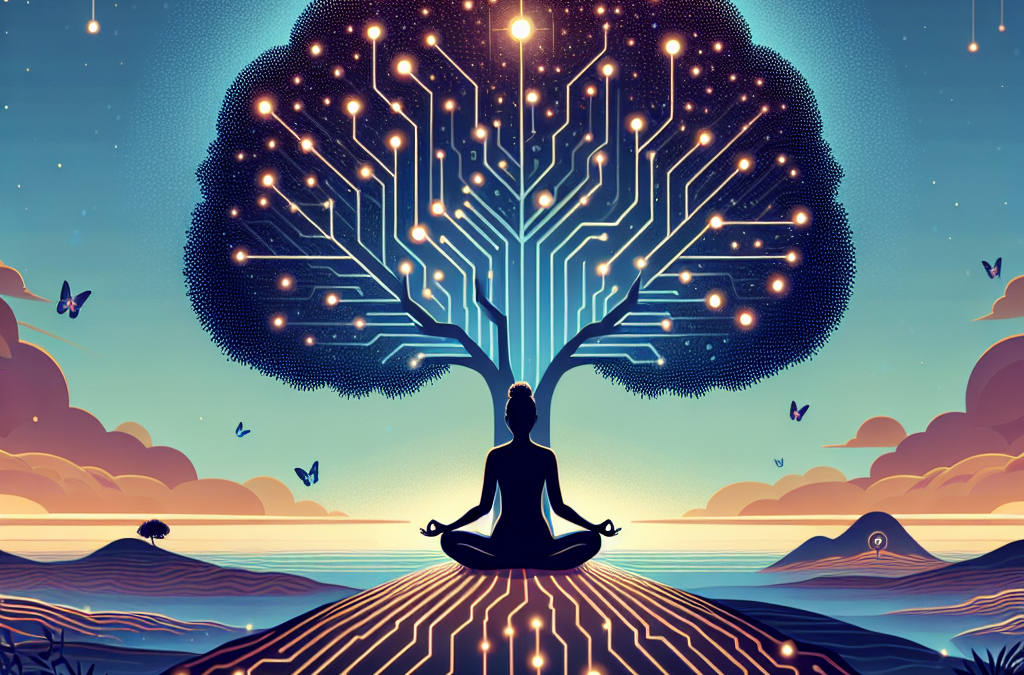
How to Use Relaxation Technology to Overcome Addiction
In the modern age, technology is interwoven into almost every aspect of our lives, from how we communicate to how we relax. One of the more promising areas where technology is making a significant impact is addiction recovery. By leveraging relaxation technology, individuals can find new pathways to overcome addiction that complement traditional therapies. This blog post delves into the various ways relaxation technology can be utilized to conquer addiction.
Table of Contents
1. Introduction to Relaxation Technology
2. The Science Behind Relaxation and Addiction
3. Types of Relaxation Technologies
4. Benefits of Using Relaxation Technology in Addiction Recovery
5. How to Integrate Relaxation Technology into Your Recovery Plan
6. Common Challenges and How to Overcome Them
7. Conclusion
8. FAQs

Introduction to Relaxation Technology
Relaxation technology encompasses a range of tools designed to help individuals achieve a state of calm and reduce stress. From guided meditation apps to advanced biofeedback devices, these technologies offer unique advantages in the fight against addiction. As the stigma around mental health and addiction diminishes, more people are turning to these innovative solutions. ?
The Science Behind Relaxation and Addiction
Addiction often stems from a complex interplay of psychological and physiological factors. Stress is a significant trigger for many individuals struggling with addiction. By reducing stress through relaxation, individuals can decrease the likelihood of relapse. Studies show that relaxation techniques can lower cortisol levels, a stress hormone, and increase the production of endorphins, which are natural mood lifters.
Types of Relaxation Technologies
Meditation Apps
Meditation apps like Headspace and Calm offer guided sessions that can help individuals focus, relax, and find peace. These apps often include features like sleep aids, stress reduction techniques, and mindfulness exercises.
Biofeedback Devices
Biofeedback devices monitor physiological signals such as heart rate and skin conductance. By providing real-time feedback, these devices help users learn to control their body’s stress responses.
Virtual Reality (VR) Therapy
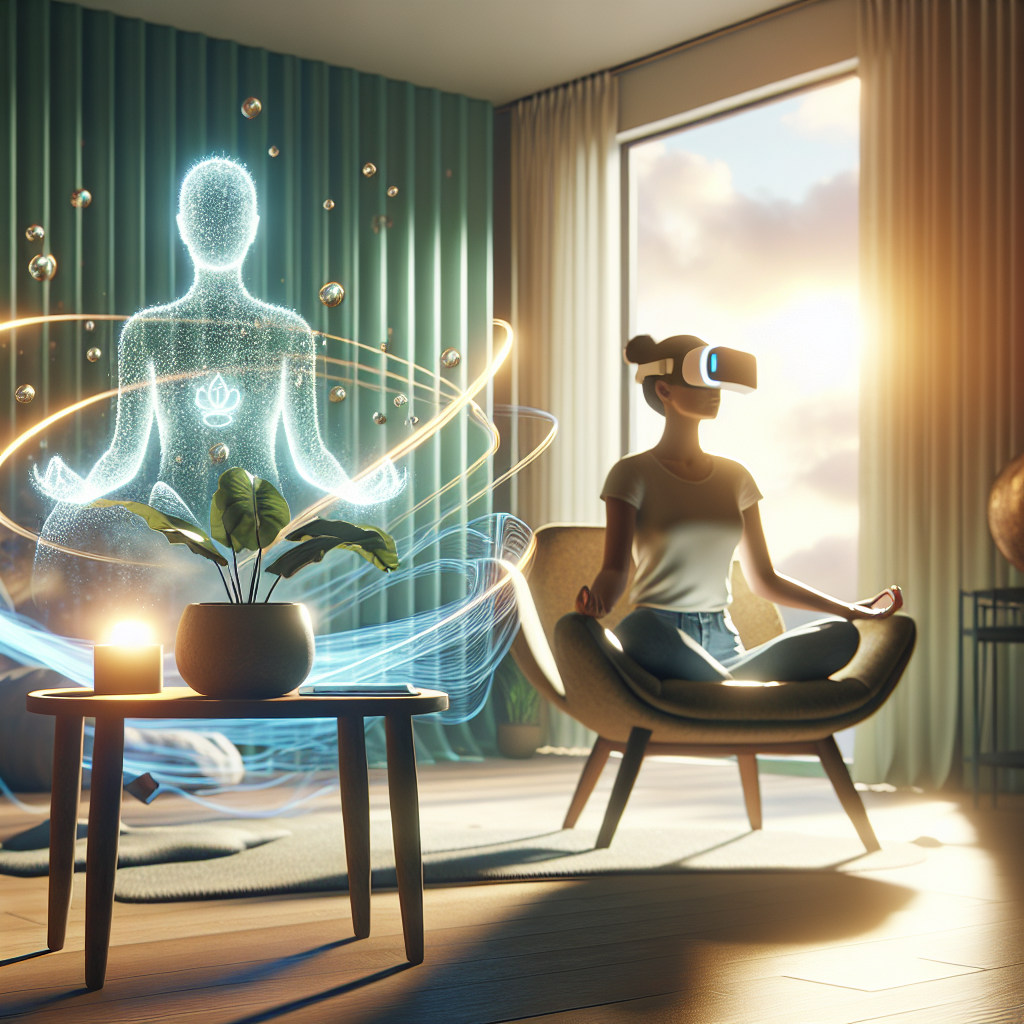
VR therapy takes relaxation to the next level by immersing users in calming virtual environments. This can be particularly beneficial for those who find traditional meditation challenging.
Sound Therapy
Sound therapy uses frequencies and rhythms to promote relaxation. Apps and devices that offer binaural beats and soundscapes can help induce a meditative state.
Benefits of Using Relaxation Technology in Addiction Recovery
The integration of relaxation technology in addiction recovery offers numerous benefits. It provides immediate access to stress relief tools, enhances self-awareness, and supports the development of healthier coping mechanisms. Moreover, these technologies can be personalized to fit individual preferences and needs, making the recovery process more engaging and sustainable.
How to Integrate Relaxation Technology into Your Recovery Plan
Integrating relaxation technology into your recovery plan requires intentionality and consistency. Start by identifying which technologies resonate with you and align with your recovery goals. Set aside dedicated time each day to engage with these tools, whether it’s a morning meditation session or an evening VR therapy. Remember, the key to success is consistency and openness to exploring new methods.
Common Challenges and How to Overcome Them
While relaxation technology offers many advantages, it is not without challenges. One common issue is the initial learning curve or resistance to adopting new tech. To overcome this, start with simple tools and gradually experiment with more complex technologies. Additionally, it’s important to avoid over-reliance on technology and to continue participating in traditional therapies and support groups.
Conclusion
Relaxation technology is proving to be a valuable ally in the journey to overcoming addiction. By offering innovative and accessible ways to manage stress and build resilience, these tools can empower individuals to take control of their recovery. As technology continues to evolve, so too will the possibilities for enhancing addiction treatment. Remember, the path to recovery is unique for everyone, and finding the right combination of tools and support is crucial for long-term success. ?
FAQs
Q: Can relaxation technology replace traditional addiction therapies?
A: No, relaxation technology should be used as a complementary tool alongside traditional therapies for a holistic approach to recovery.
Q: Are there any risks associated with using relaxation technology?
A: While generally safe, it’s important to use these technologies as directed and consult with a healthcare provider, especially if you have pre-existing mental health conditions.
Q: How soon can I expect to see results?
A: Results vary depending on the individual and the technology used. Consistent use over time typically yields the best outcomes.
Roshiwave Meditation Mind Machine
Add CTA sections description.