
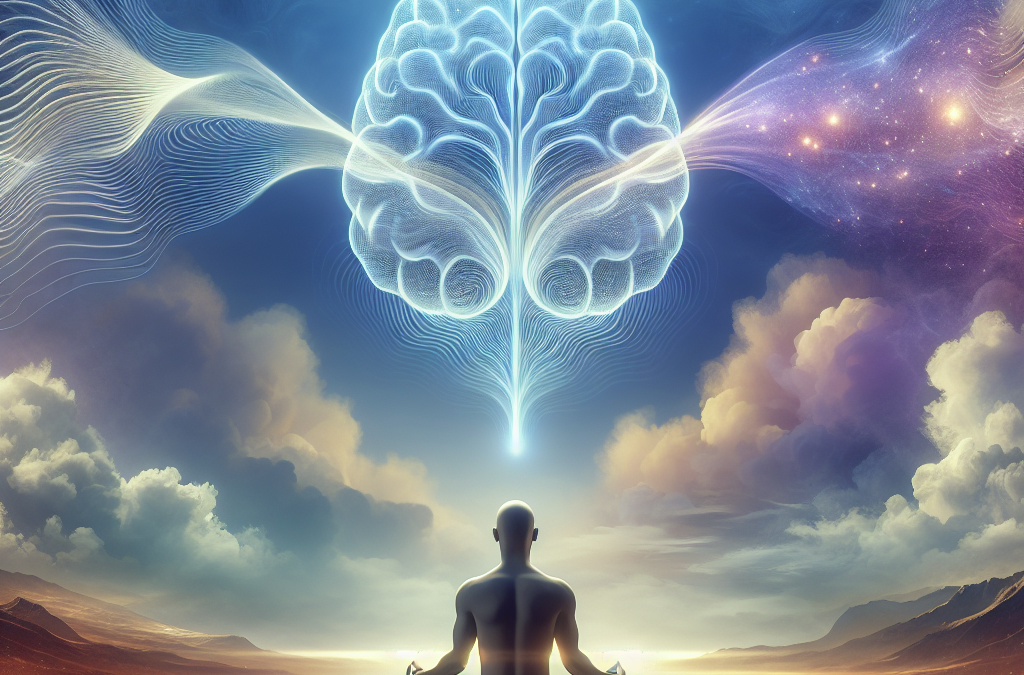
How Brainwaves Influence Emotional Healing Through Meditation
In recent years, meditation has surged in popularity as a practice for emotional healing and overall well-being. But have you ever wondered what happens in the brain during meditation? The secret lies in brainwaves, the electrical impulses that travel through our brain and influence our mental state. In this blog post, we’ll explore how brainwaves work and their role in emotional healing through meditation.
Table of Contents
1. Understanding Brainwaves
2. The Role of Meditation in Emotional Healing
3. Types of Brainwaves and Their Impact
4. How to Harness Brainwaves for Emotional Healing
5. Real-Life Stories of Healing
6. FAQs
7. Conclusion
Understanding Brainwaves
Brainwaves are the rhythmic or repetitive electrical activity produced by neurons in the brain. They are measured in Hertz (Hz) and are typically divided into five different types, each associated with different states of consciousness and activities. From the rapid Beta waves to the slow Delta waves, understanding these different frequencies can help us grasp how meditation influences emotional healing.
The Role of Meditation in Emotional Healing
Meditation is a practice that dates back thousands of years, known for its ability to promote relaxation and mindfulness. It serves as a bridge between our conscious thoughts and subconscious mind, allowing us to tap into the healing power of brainwaves. Through meditation, we can shift our brainwave patterns, allowing for a state of relaxation and heightened awareness, which is essential for emotional healing.

Types of Brainwaves and Their Impact
Let’s delve deeper into the different types of brainwaves and how they affect our emotional well-being:
Beta Waves (13-30 Hz)
Beta waves are associated with active thinking, problem-solving, and focus. While essential for daily activities, excessive Beta wave activity can lead to stress and anxiety.
Alpha Waves (8-12 Hz)
Alpha waves are linked to relaxation and a calm, meditative state. These brainwaves help bridge the conscious and subconscious mind, making them crucial for emotional healing.
Theta Waves (4-8 Hz)
Theta waves occur during light sleep and deep meditation. They are associated with creativity, intuition, and deep emotional healing. This state allows us to access our subconscious, facilitating healing and personal growth.
Delta Waves (0.5-4 Hz)
Delta waves are the slowest and are present during deep sleep and restorative healing. They promote cellular regeneration and healing, essential for emotional well-being.
Gamma Waves (30 Hz and above)
Gamma waves are the fastest brainwaves and are linked to higher cognitive function, insight, and consciousness. They play a role in learning and memory processing, aiding in emotional and mental clarity.
How to Harness Brainwaves for Emotional Healing
Here are some practical ways to harness the power of brainwaves through meditation:
1. Guided Meditations: Using guided meditations can help you achieve the desired state of brainwave activity. Many guided meditations are designed to target specific brainwave patterns, such as Theta or Alpha waves, to promote healing.
2. Binaural Beats: Listening to binaural beats can stimulate specific brainwave frequencies. This audio technology uses two slightly different frequencies in each ear, encouraging your brain to produce the desired brainwave pattern.
3. Mindfulness Practices: Regular mindfulness practices, such as focusing on your breath or body scanning, can naturally shift your brainwaves from the high-alert Beta state to the relaxed Alpha or Theta states.
Real-Life Stories of Healing
Many individuals have experienced profound emotional healing through meditation. Take Sarah, for example, who struggled with anxiety for years. Through consistent meditation practice, she learned to calm her mind and access deeper levels of relaxation, reducing her anxiety symptoms significantly. Or consider Jack, who used meditation to process grief after losing a loved one. By meditating daily, Jack found peace and healing in the depths of his subconscious mind.
FAQs
Q: How long does it take to experience emotional healing through meditation?
A: The time it takes varies for each individual. Some people may notice changes within a few weeks, while others may take longer. Consistency is key.
Q: Can anyone benefit from meditation and brainwave entrainment?
A: Yes, meditation can benefit people of all ages and backgrounds. It’s a universal practice that can adapt to individual needs and preferences.
Q: Do I need special equipment to influence my brainwaves?
A: While tools like binaural beats can enhance the experience, they are not necessary. Simple meditation techniques can naturally alter brainwave patterns.
Conclusion
Understanding the connection between brainwaves and meditation opens up a new realm of possibilities for emotional healing. By embracing these practices, we can tap into the profound power of our minds to foster peace, creativity, and well-being. Whether you’re seeking relief from anxiety or looking to enhance your overall mental health, meditative practices offer a pathway to healing that begins within.
So why not take a few moments today to sit quietly and listen to the rhythm of your own mind? ?
Roshiwave Meditation Mind Machine
Add CTA sections description.